Browse categories
Explore
Fiverr Pro
English
$
USD
Your pipeline should be the most boring part of your stack. If deploys fail, hang, or need a human watching them, that's fixable in days, not months.
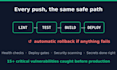
I'm a senior SRE with 7 years of production infrastructure work. At my last engagement, a SaaS team went from 40% failed deployments to 5% after I rebuilt their delivery as six CI/CD pipelines with testing gates, security scanning, and automatic rollback. The pipelines caught 15+ critical vulnerabilities before production.
What you get:
I work with Kubernetes (EKS/AKS), Docker, Terraform, and every major cloud. AWS certified (Solutions Architect + Developer).
Why the packages differ: Basic is one service, one environment. Standard adds staging, rollback, and secrets. Premium covers multiple services with scanning, notifications, and a handover call.
I respond within the hour during UTC+1 daytime and deliver early more often than not. Send me your repo details and let's make d


What do you need from me to start?
Repo access (collaborator invite or a fork), your cloud/deployment target, and how you currently deploy. The order requirements form collects all of this, so kickoff is usually same-day.
Can you work with my existing pipeline instead of starting fresh?
Yes. Fixing or extending an existing GitHub Actions or GitLab setup is common; if the current one is beyond saving, I'll say so before touching anything.
Which clouds and platforms do you support?
AWS and Azure natively (certified on AWS), plus anything Kubernetes-based: EKS, AKS, or self-managed. Deploy targets can be VMs, containers, or serverless.
Do you need production credentials?
No. I work with least-privilege access: a scoped deploy key or a staging environment is enough, and I'll show you exactly what permissions the pipeline itself needs and why.
What counts as a revision?
Adjustments to what was scoped in your package: tweaking stages, renaming environments, changing triggers. New services, new environments, or new tooling are new scope, and I'll quote them fairly as an add-on rather than squeezing them into a revision.


