Collaborate with top freelance coders
Partner with skilled freelance software developers to take your technical projects to new heights. From web applications to software solutions, we've got you covered.
What is an AI code review?
An AI code review is a code review that’s driven at least partially by artificial intelligence, usually generative AI.
AI models trained on specific programming languages and coding standards can analyze massive bodies of code to find coding style errors or potential security issues. These large language models (LLMs) can either take action directly in real-time to fix errors or alert development teams to issues that must be addressed.
AI code reviews typically involve static code analysis, which is the process of analyzing code without running it. However, it’s also possible to program an agentic solution that calls external functions and unit tests that execute portions of the code to ensure it doesn’t run into bugs.
AI-driven code reviews haven’t suddenly reinvented the development workflow. Automated code review solutions still have their place in the development process. For example, code linters—a tool to perform static code analysis—don’t need AI to work, and replacing them with AI wouldn’t make sense.
AI brings unique use cases to the code review process, such as being able to detect “code smells”—telltale signs of deeper issues in a codebase that wouldn’t be obvious to a code linter or other static analysis tool.
Another benefit that advanced AI code review tools bring to software engineering is contextual understanding. A code linter might be able to perform validation of code snippets inside your IDE (integrated development environment), but it lacks the full context of the codebase to find where more nuanced errors might occur.
How AI code review fits into the software development lifecycle
AI code review tools automate and augment code quality checks at various stages of the software development lifecycle (SDLC).
An SDLC typically includes phases like planning, design, development, testing, deployment, and maintenance. An AI code review primarily operates in the development and testing phases, but it can also slot in during deployment and maintenance.
During the development phase, an AI code review tool can integrate into your IDE and provide feedback for code errors in real-time.
In CI/CD (Continuous Integration/Continuous Deployment) pipelines, AI code review tools can automatically run tests before a new version is deployed.
In a git environment such as GitLab, GitHub, or Bitbucket, an AI code review tool can hook into a coder’s pull requests and make comments directly in the code, just like human reviewers might do. In some cases, you can configure the AI tool to approve pull requests automatically.
Advantages of AI for code review
AI-assisted code review tools are typically based on LLMs that have been trained on millions of lines of code.
AI is especially useful for context-aware code reviews. Non-AI solutions typically use rule-based engines to try and detect code errors. However, AI can index your entire codebase and so understand where the code it’s reviewing fits into the larger project or framework. This helps the AI determine nuanced errors.
AI code reviews can be as simple as letting tools like GitHub Copilot make inline code suggestions inside your IDE, or they can be as sophisticated as a fully-fledged AI code review tool that integrates into the entire development process.
Some AI tools, especially custom-programmed AI agents, can call external functions or APIs, so you can integrate traditional, automated reviews with the AI tool’s capabilities. For example, an external function might perform unit tests on your code, whose results the AI tool can then analyze. AI is especially useful for detecting more complex errors than typical automated tools, which improves code maintainability in the long term.
Common challenges of AI code review
The launch of GPT-powered AI sparked many imaginations, but we're far from the capabilities we expected AI to possess.
One of the most significant challenges in an AI code review is false positives and false negatives. Despite the hype, the underlying technology powering AI isn’t suited for high-accuracy tasks and often makes mistakes. AI can potentially spot hard-to-find errors, but it’s essential to always include a human touch with AI.
AI can also lead to over-reliance. The hype makes people believe that AI will solve everything. Unfortunately, AI can sometimes cause more damage than good. Several high-profile AI snafus have occurred since the generative era began.
These “hallucinations” that LLMs are prone to can affect code reviews as well, with AI potentially suggesting fictitious solutions to real-world problems.
Data privacy is another concern in AI code reviews, especially for companies working on proprietary code. The back end of many popular AI tools is powered by popular LLMs whose parent companies are currently engrossed in copyright and privacy controversies.
When using an AI code review tool, make sure your code isn’t being used to train the underlying model, and that the suggestions the underlying model makes don’t infringe on anyone’s intellectual property rights.
The exact procedure for an AI code review depends on the tool you’re using. Some tools work only inside your IDE, while others connect more deeply into the entire development process, automatically ensuring that code passes its checks before merging a pull request.
At a high level, the procedure goes as follows:
A developer writes code and then submits it to a repository.
An AI tool kicks in and examines the code, making comments with suggested improvements, and automatically approves the code.
The developer reviews AI suggestions, accepts fixes, or revises code until the code is clean.
Once approved, the code can be merged and deployed.
Learn how to code from freelance coding experts
Find a Python tutor for hire
Let’s look at four popular AI code review tools.
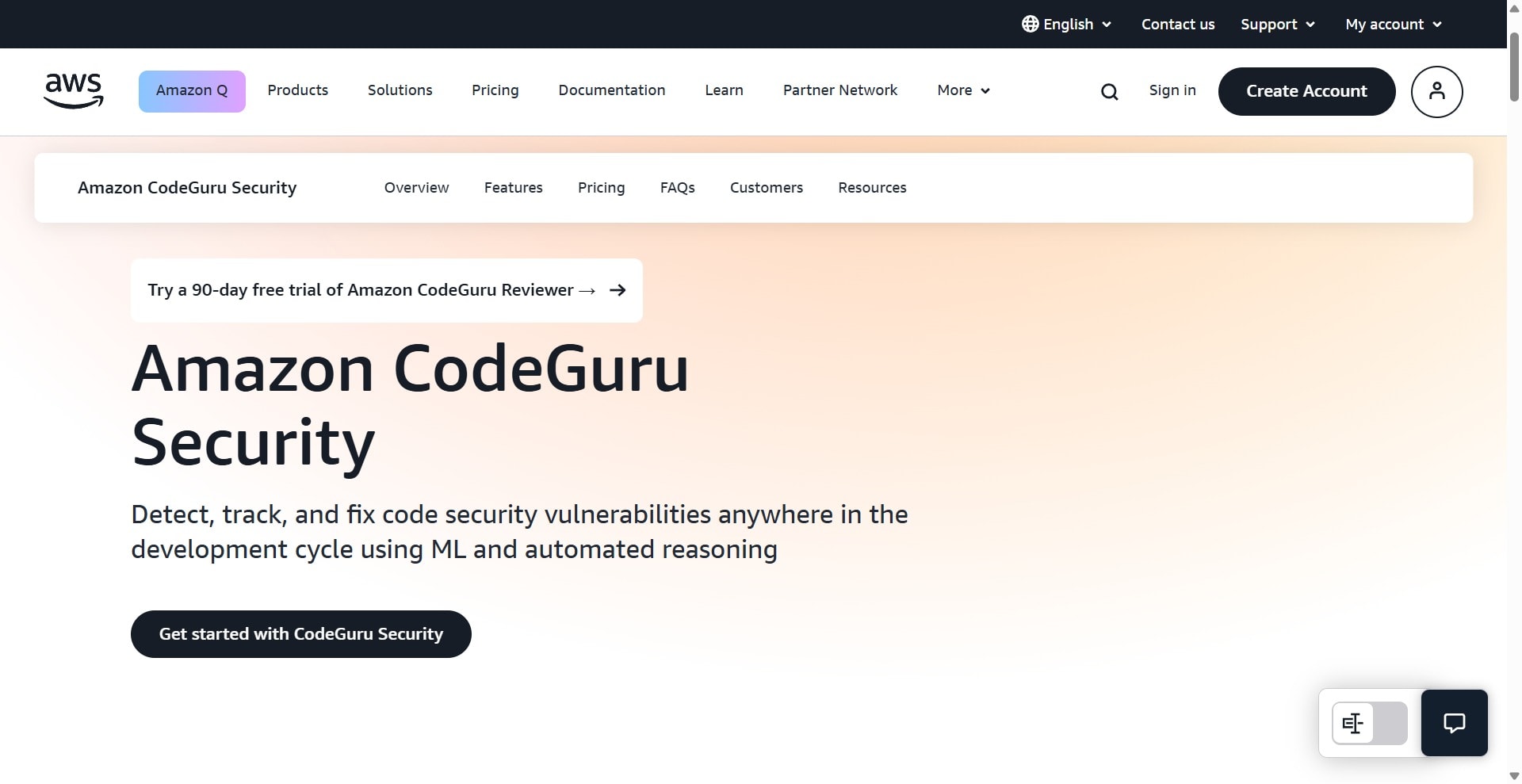
Amazon CodeGuru
Amazon's CodeGuru is a powerful tool that offers individuals and small businesses the same power it offers enterprise clients.
CodeGuru comes in three flavors:
CodeGuru Security
CodeGuru Reviewer
CodeGuru Profiler
All three tools offer code improvement functionality.
CodeGuru Reviewer analyzes your code and compares it to popular open-source coding standards as well as to code hosted on Amazon.
CodeGuru Security uses machine learning to try and find security flaws in your code. CodeGuru Profiler tries to profile how resource-intensive your code will be.
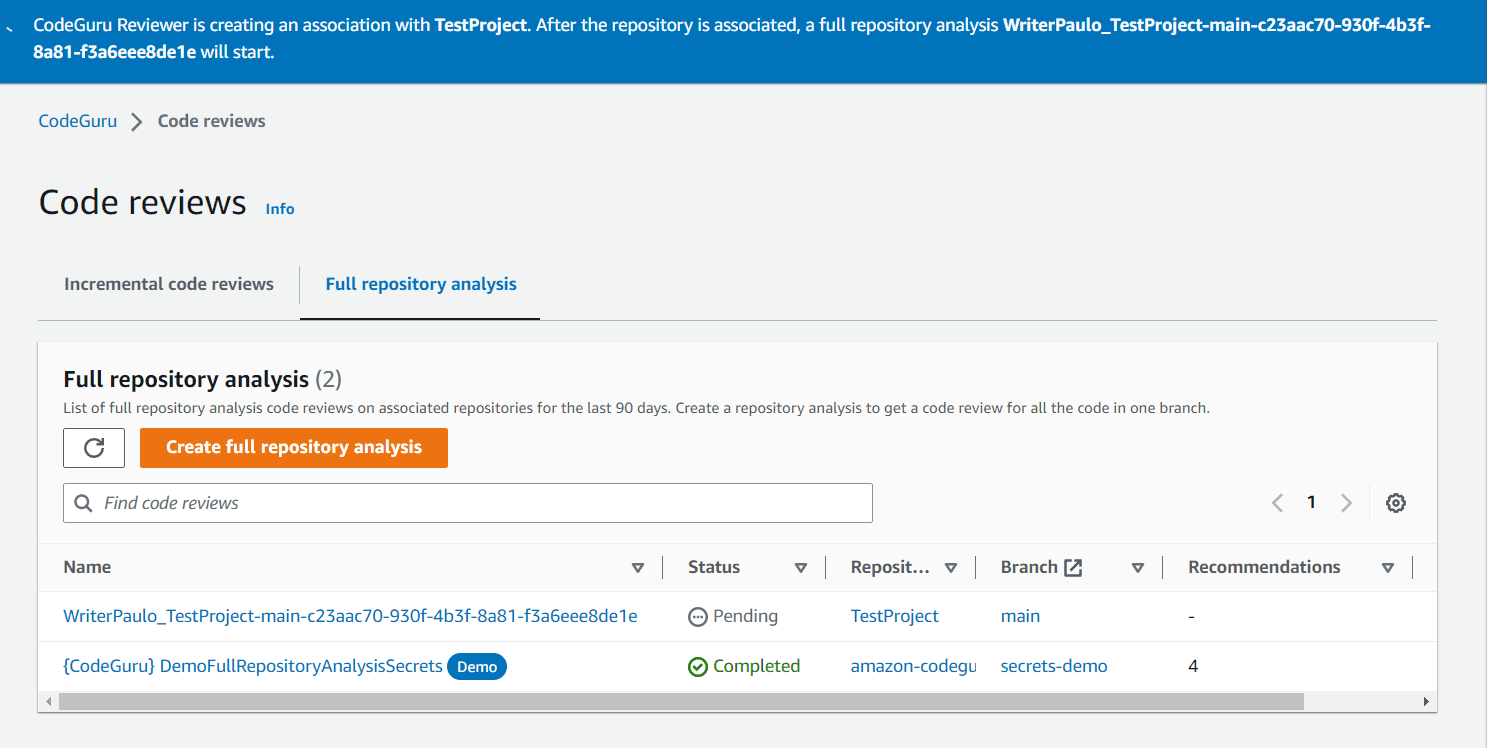
After signing up, you connect your code repository with CodeGuru, and it starts analyzing every aspect of it.
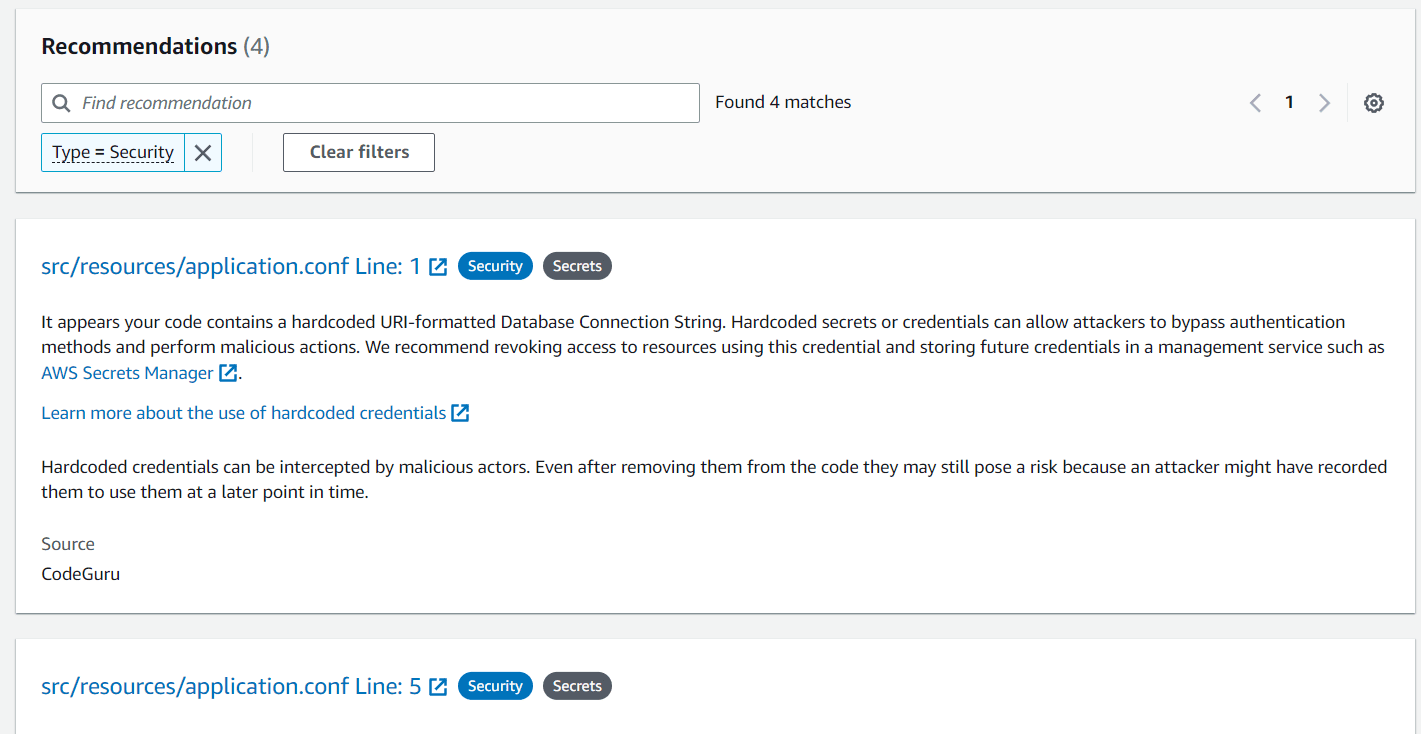
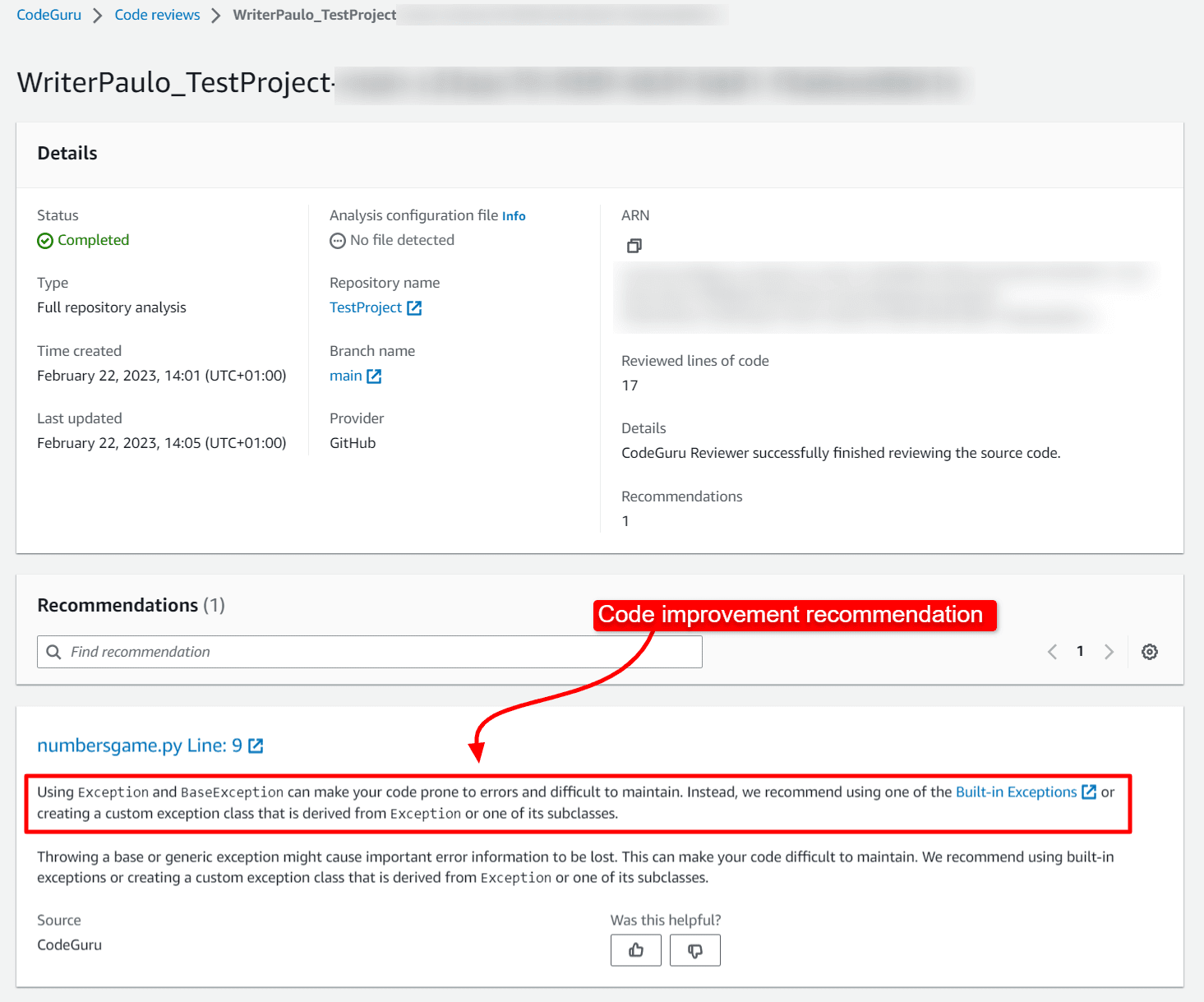
We ran an analysis on our test project repo, and CodeGuru furnished recommendations for improvement.
Before final approval, a human would ideally do a review as well. This final review would be much faster because AI handles all the heavy legwork. Fiverr has expert code review services you can use to give your code a final check. CodeGuru integrates with all major code repositories. They also have a VS Code extension.
Snyk
Snyk is primarily a cybersecurity platform for developers, and it includes AI-powered code reviews. The platform helps you find and fix security vulnerabilities throughout the software development lifecycle. Snyk also integrates with CI/CD pipelines and IDEs.
Snyk uses a combination of generative AI and symbolic AI, which is a form of AI that uses a rules-based approach to decision-making. Symbolic AI has limitations, but it can be more reliable for high-accuracy tasks.
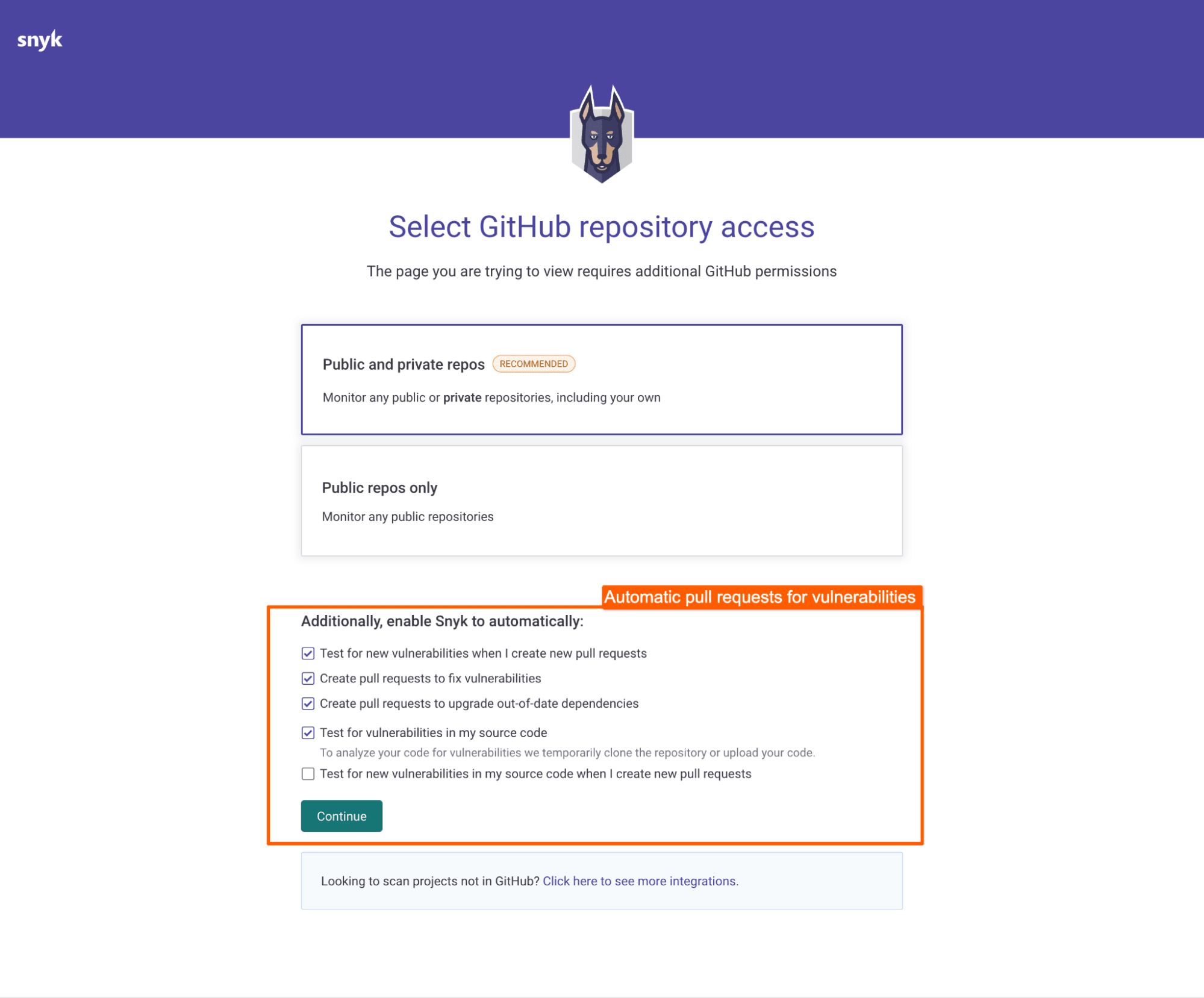
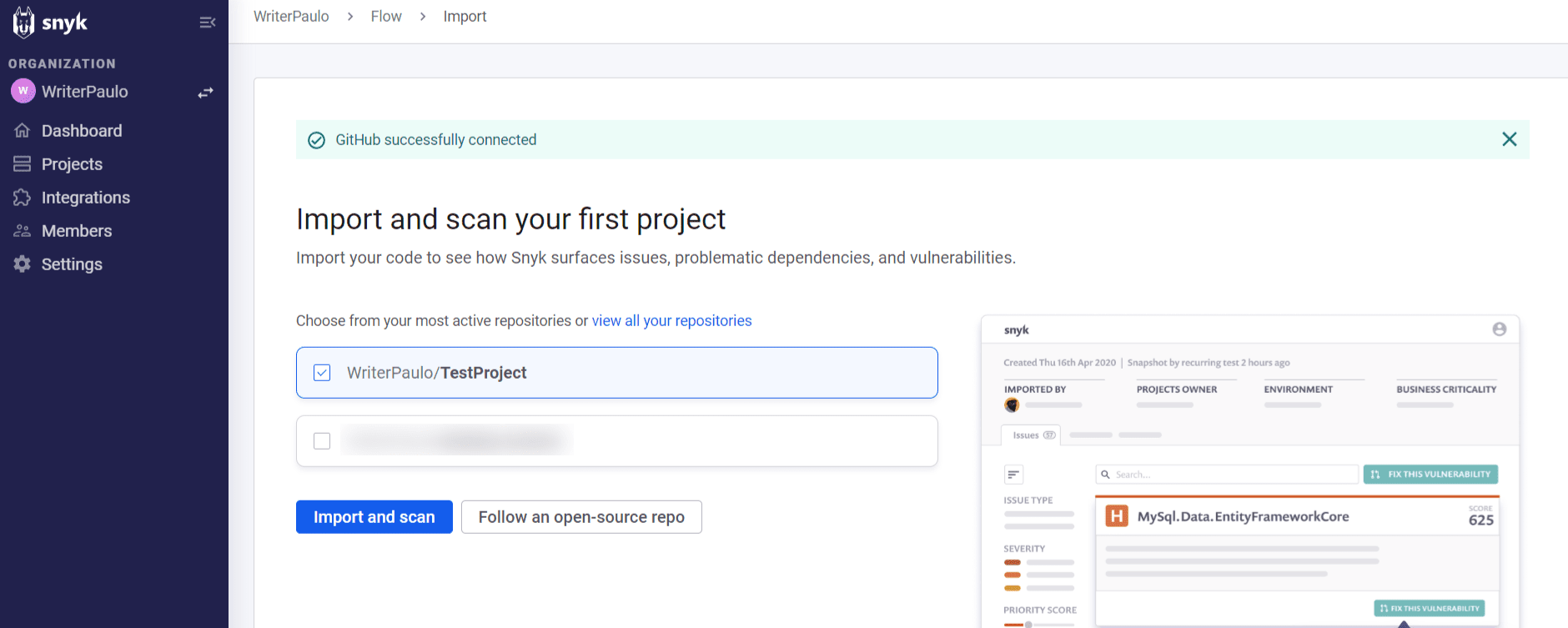
You can connect Snyk to your code repository of choice and then set it up to automatically test for vulnerabilities. If it discovers any vulnerabilities, it can create pull requests for them. It regularly analyzes your code to ensure the entire codebase is robust.
You can also configure it to create pull requests for dependency updates.
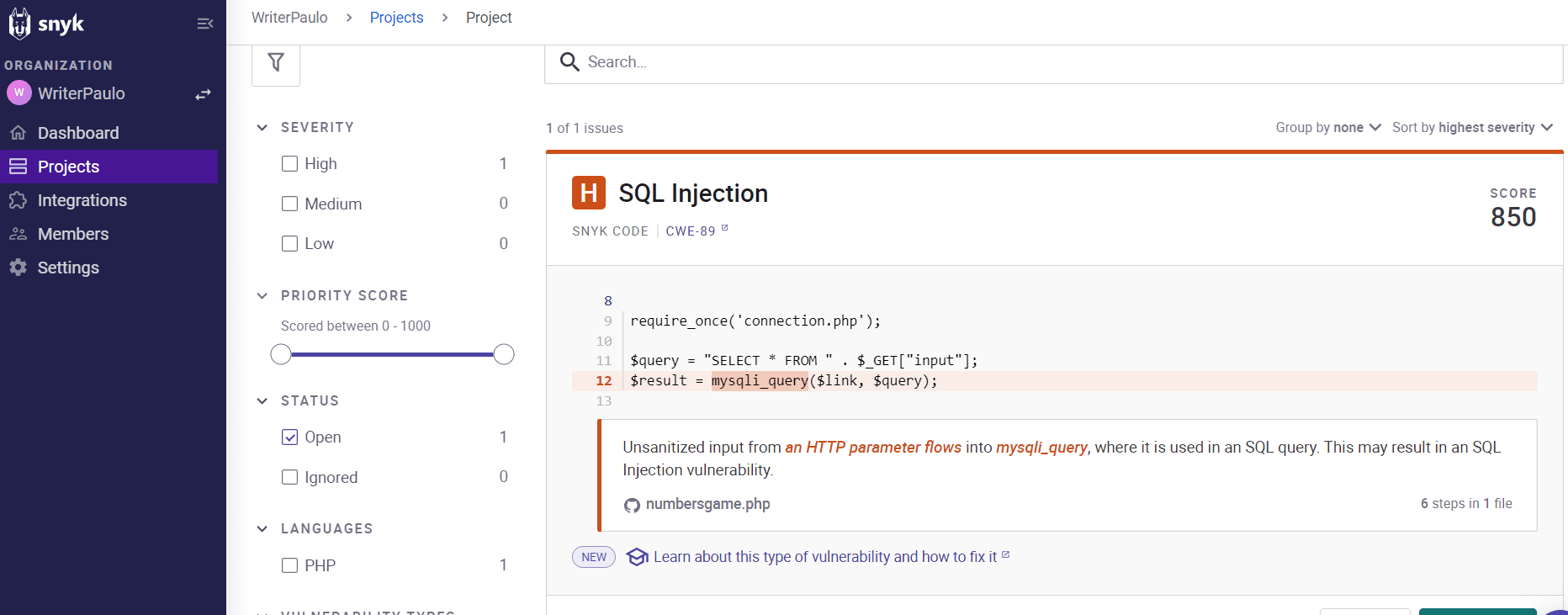
We created a repository and added some poorly written PHP code to see if Snyk would detect it, which it did. Snyk flagged the file immediately after adding it to the repo.
CodeRabbit
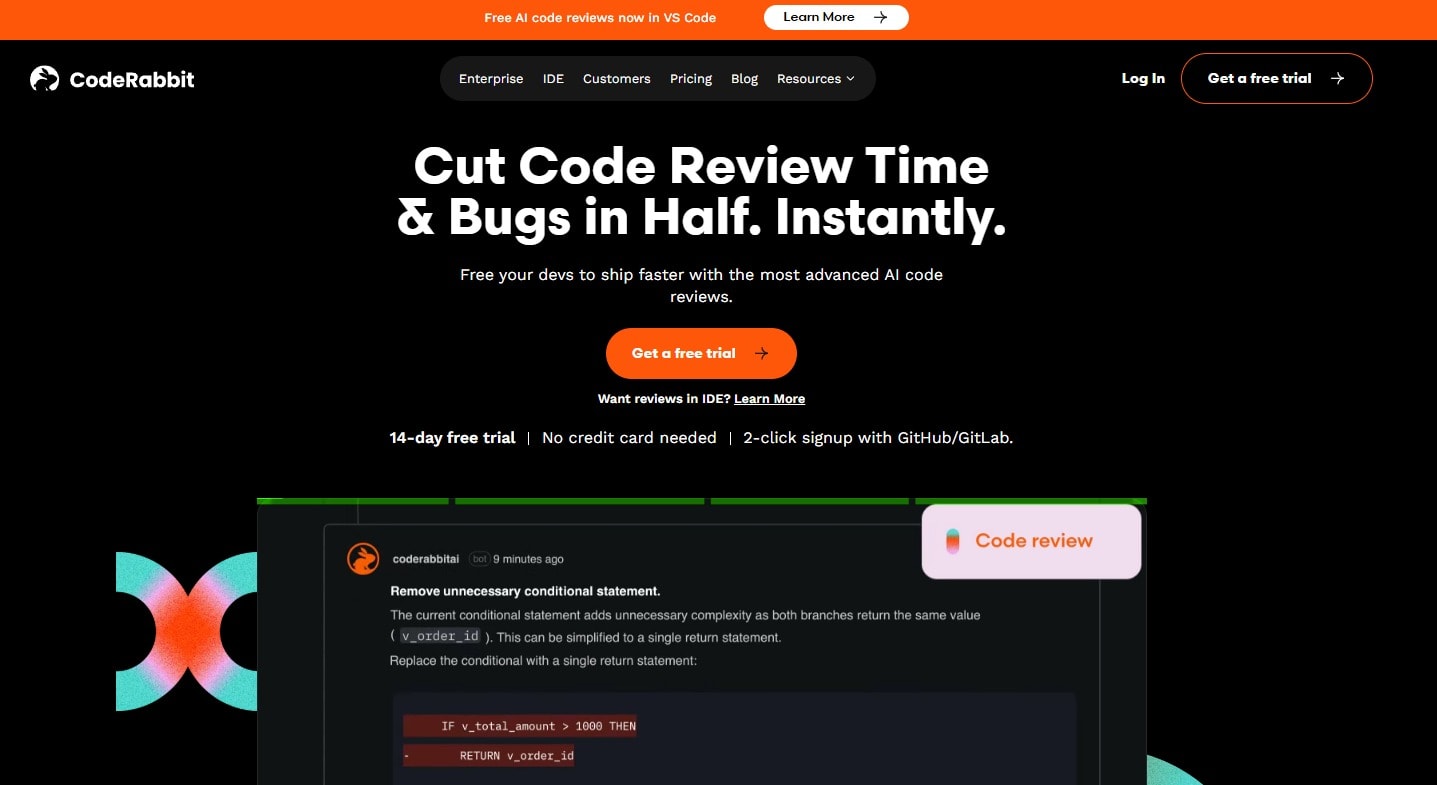
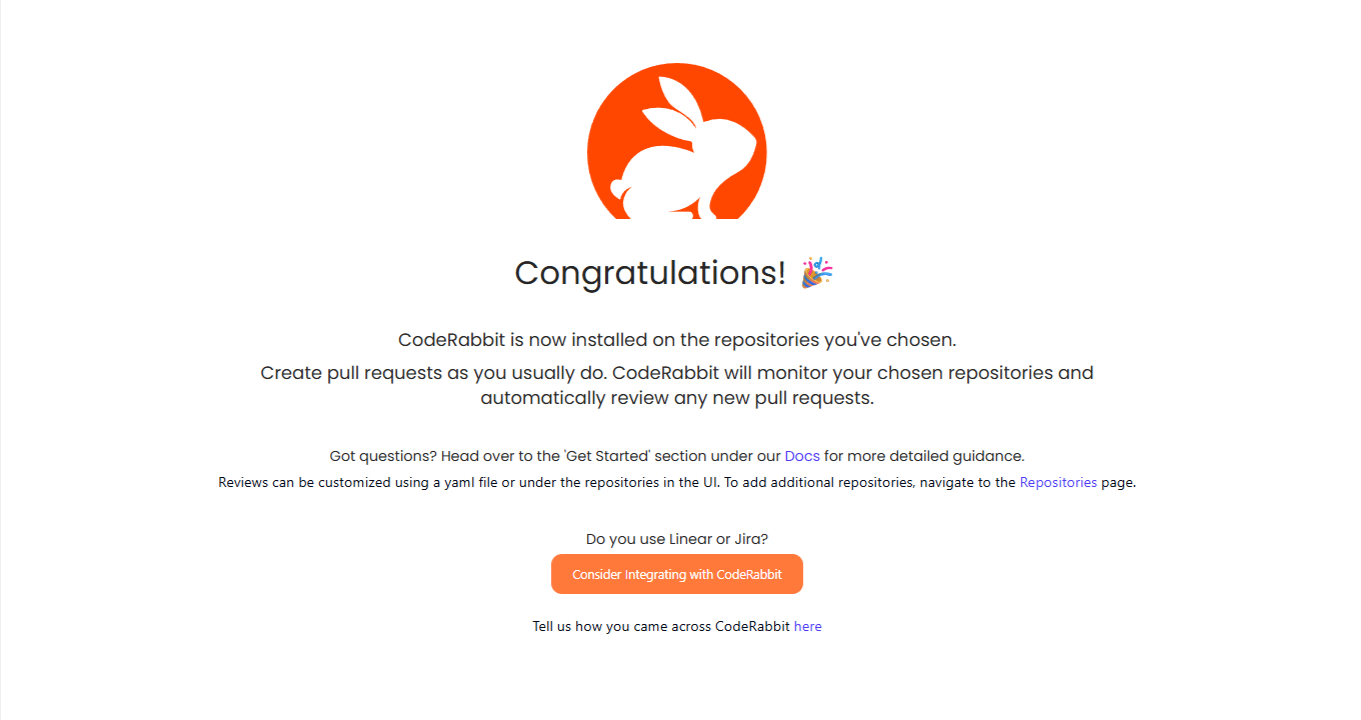
CodeRabbit is an AI-powered code review platform. It provides context-aware, line-by-line feedback on pull requests. It can generate summaries of your code, walkthroughs, and one-click fixes for faulty code. The platform integrates with GitHub, GitLab, Bitbucket, and Azure DevOps. It also offers a Visual Studio Code extension that reviews code while you write it.
CodeRabbit complies with GDPR and other privacy laws, and they don’t permanently store any code.
You can use CodeRabbit in both SaaS and self-hosted repos.
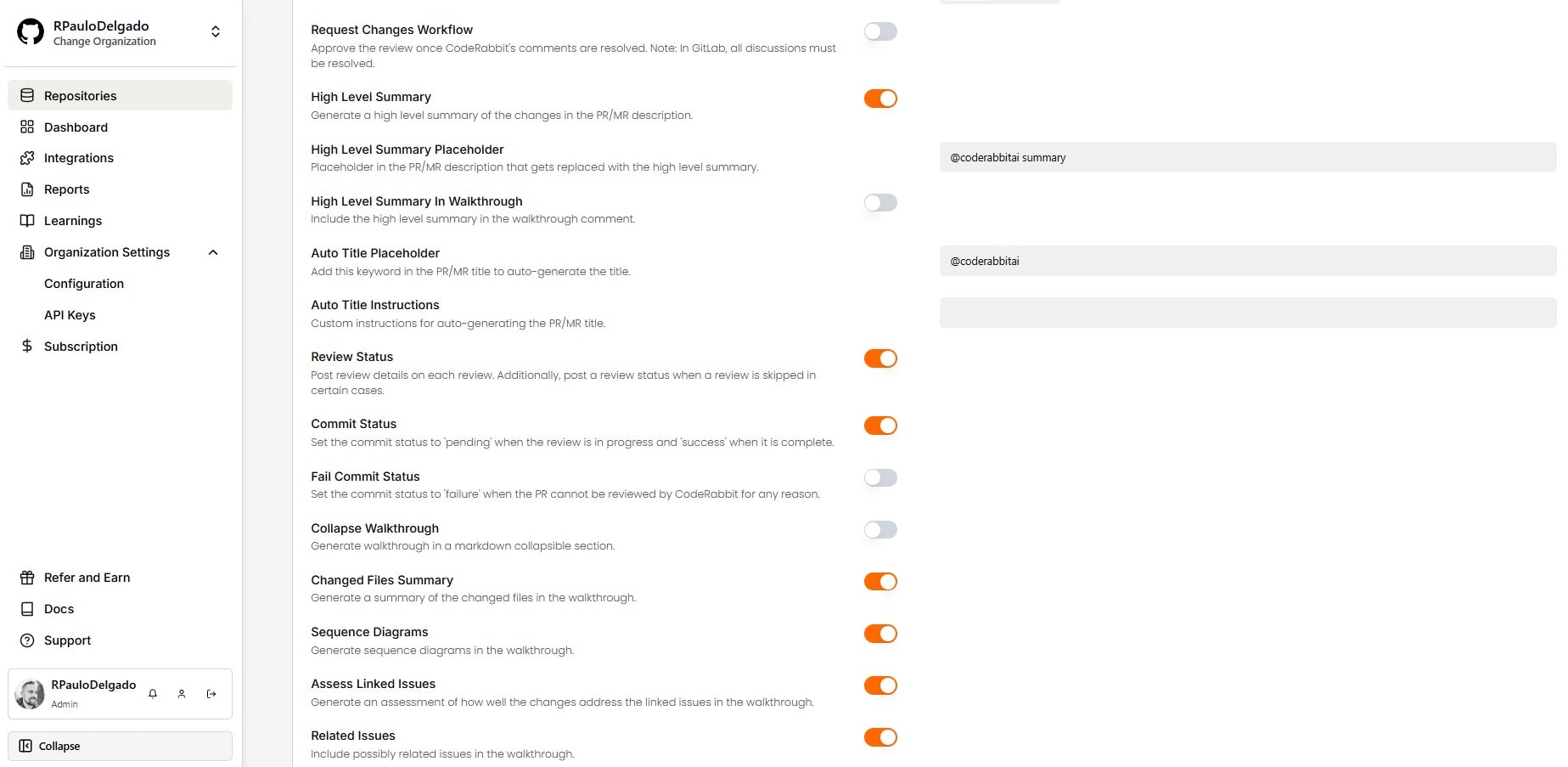
CodeRabbit offers an extensive set of options. You can also integrate it with additional non-AI tools for additional checks.
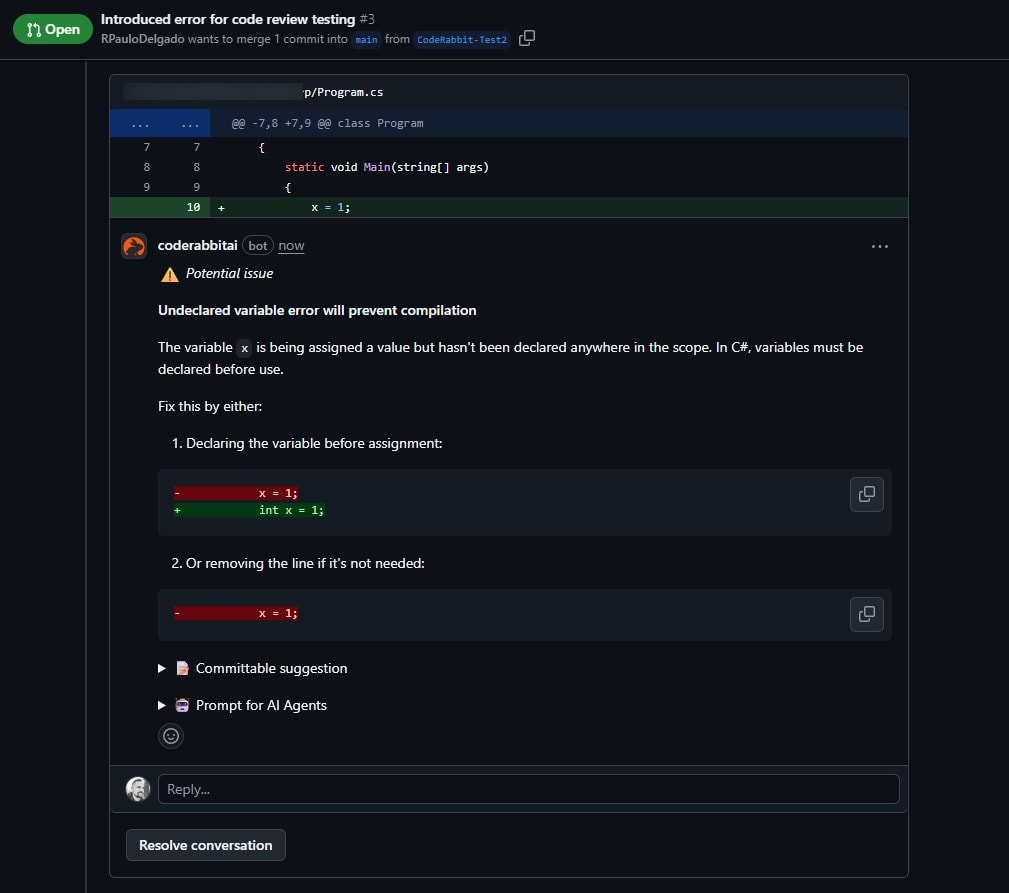
We ran a test where we introduced an error into the code and then created a pull request. CodeRabbit ran its checks, added a description to the pull request, and also successfully flagged the code as having errors.
WhatTheDiff
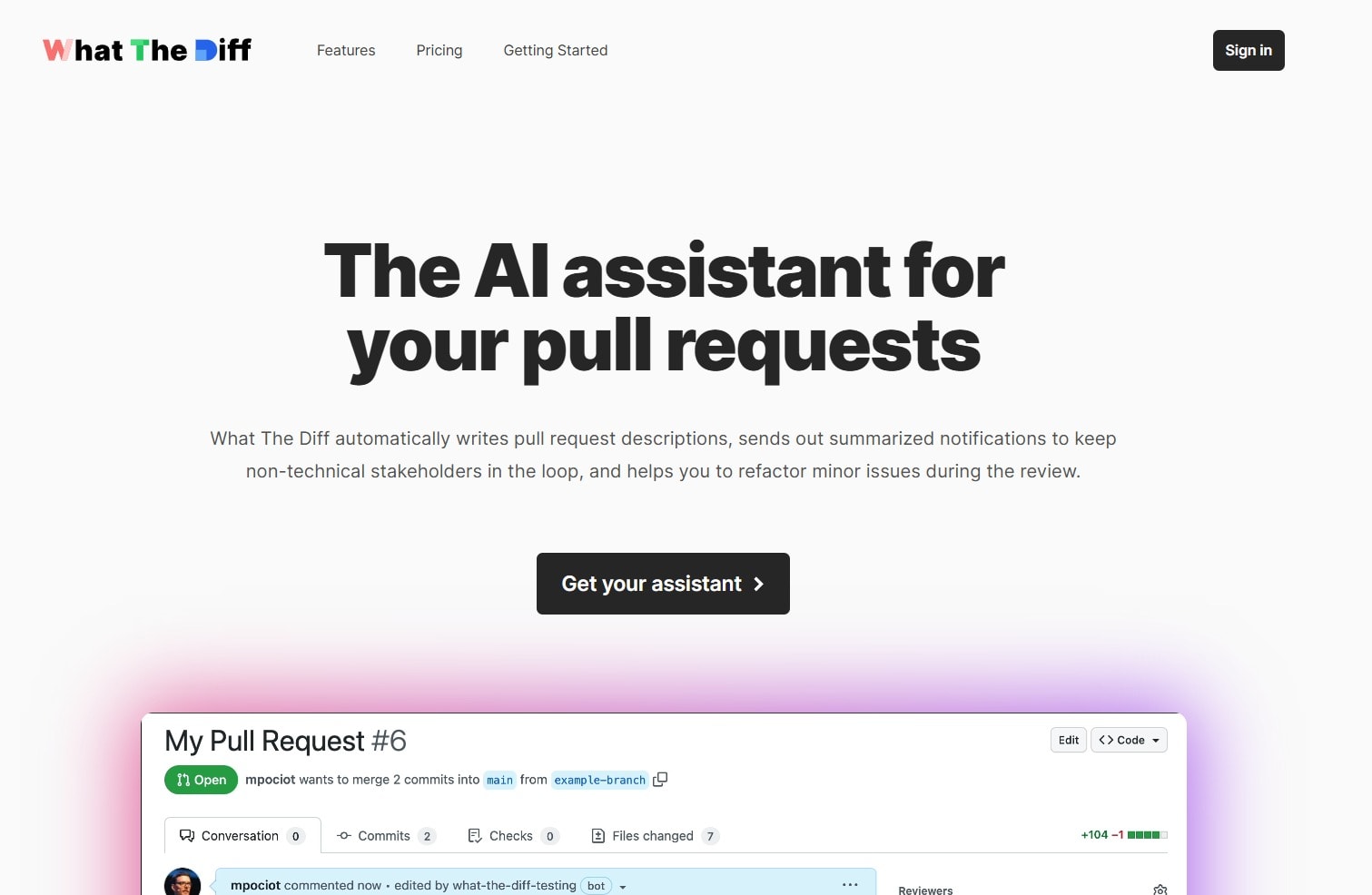
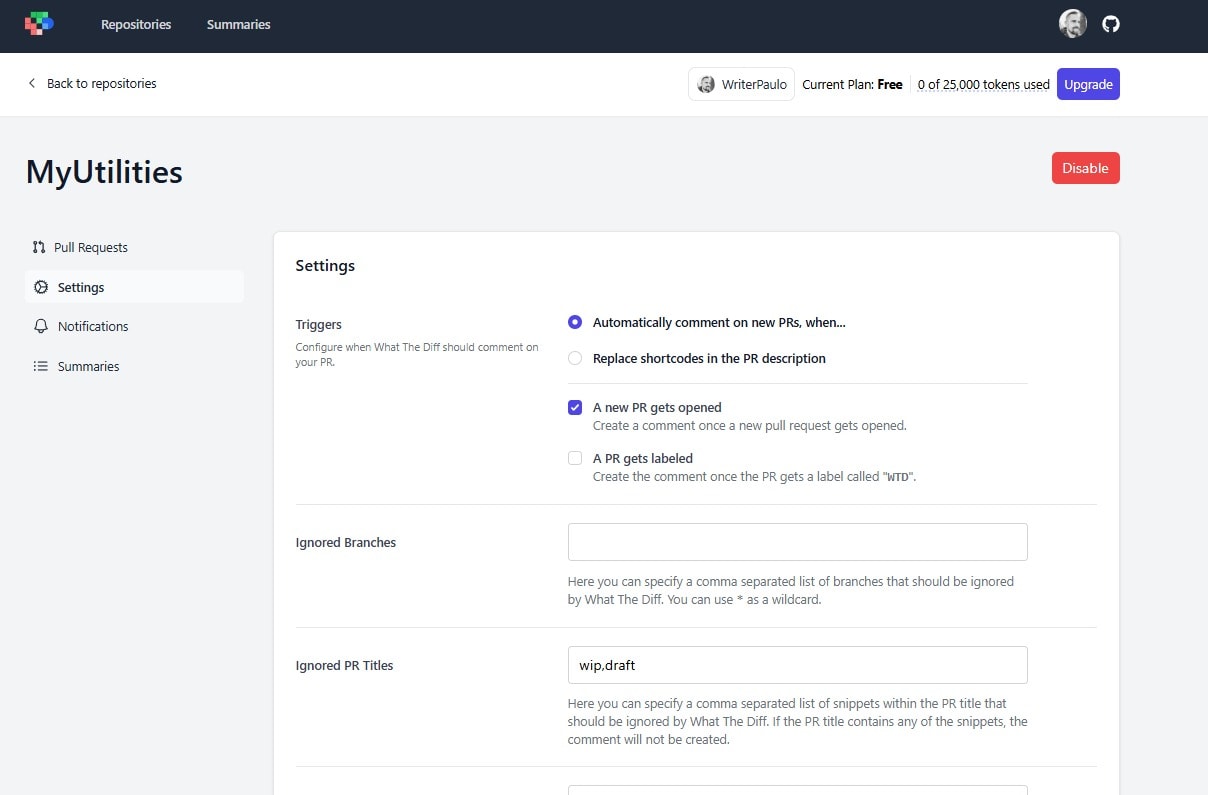
WhatTheDiff is an AI-powered code review that automatically analyzes the "diff" (the set of changes) in your pull requests. It can create AI-generated summaries of what’s changed to make the code easier to maintain.
The tool can create public changelogs or provide them through a JSON API for internal use. Teams can receive summaries of all changes made during the week.
WhatTheDiff integrates only with GitHub and GitLab.
The tool has far fewer options than CodeRabbit, but it offers a generous free tier.
Best practices for AI code review
Some overlap exists between traditional code reviews and AI-driven code reviews. For example, one of the most essential best practices is to iterate early and often, deploying regular minor code changes that pass use case tests rather than waiting for massive changes that become more difficult to debug.
Instead of blindly accepting AI’s suggestions, look over the code changes and make sure you understand them. Code should only ship after a human makes the final call that it’s accurate. Use AI as a tool, not as a replacement.
If the AI code review tool you’re using doesn’t offer a feature you need, you can get AI technology consulting from a Fiverr expert to help you figure out how to build one that does. Learn how to code from freelance coding experts
Hire an AI or software development freelancer on Fiverr
AI code review tools aren’t perfect, and AI can sometimes introduce bugs into your code through false positives and negatives.
If you need help with your project’s code or with code reviews, Fiverr has thousands of freelancers ready to assist you.
AI code review FAQs
How accurate is AI at spotting bugs and code issues compared to human reviewers?
AI code review tools have pros and cons. They’re useful for picking up nuanced “code smells.” However, they can hallucinate, so they aren’t a replacement for human code reviewers. AI code reviews add another level of sophistication to code reviews, but a human should make the final call.
How often does AI flag code as problematic when it's actually fine?
We couldn’t find an official number for this. However, several articles have appeared online flagging AI code reviews as having significant trade-offs compared to manual reviews or reviews carried out by code linters and other non-AI automated tools. The trade-offs can include excessive wordiness for simple change, and hallucinations.
How quickly can AI review large codebases compared to humans?
AI can review a large codebase in minutes, compared to many days when a human does it. However, a human should still review the AI’s suggestions before implementing them.
AI code review tools all typically follow a monthly pricing model.
Ready to find the right freelance service?

 July 10, 2025
 9 minute reading