 August 3, 2026
 8 minute reading
Intelligent machines have become commonplace in our daily life. And subconsciously, we’ve adapted to this new intelligence—speaking keywords into the phone when interacting with AI customer service and relying on autocorrect to fix our mistakes.
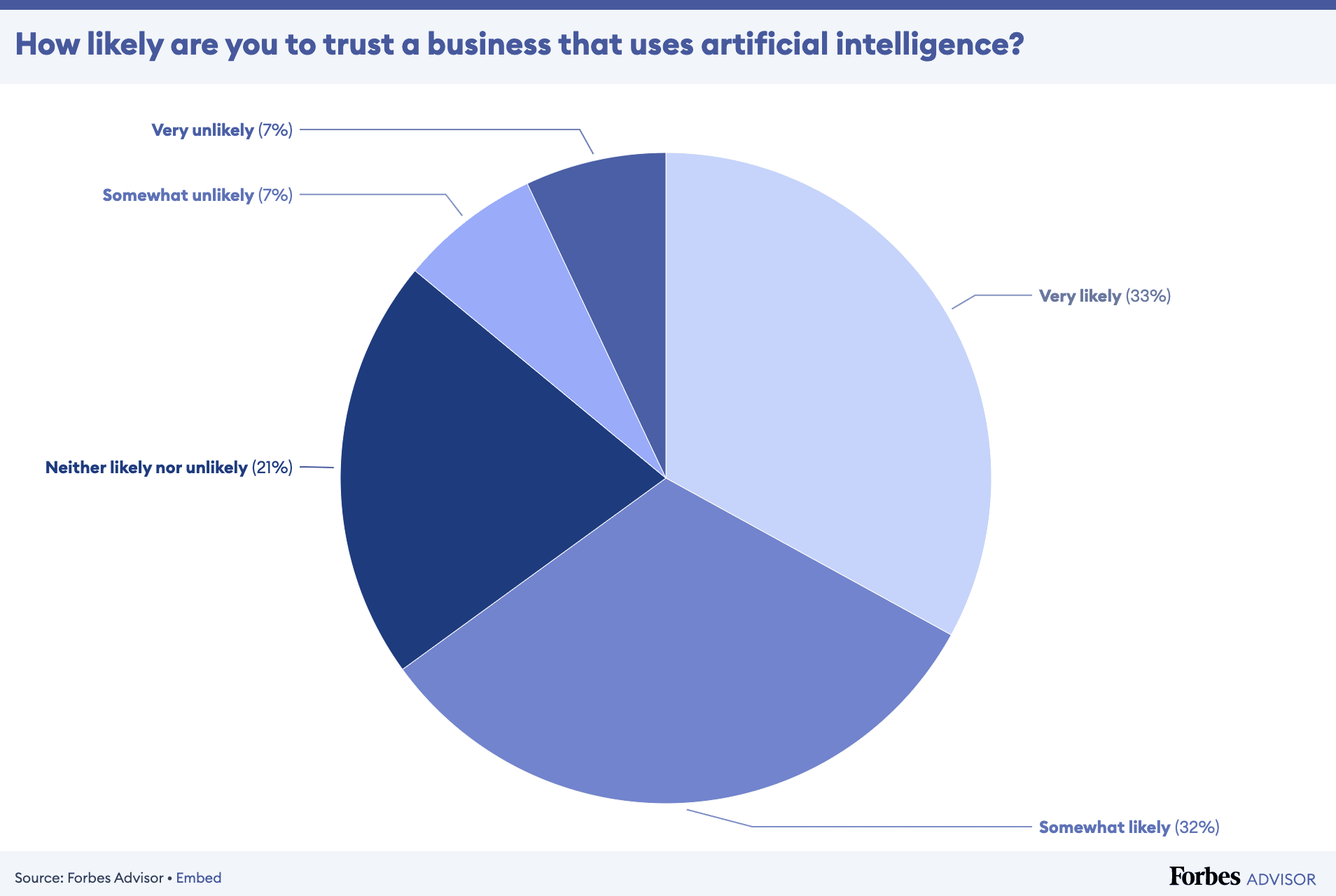
The market for artificial intelligence (AI) is projected to grow twentyfold by 2030, up to almost $2 trillion. Though AI continues to integrate into the workforce, that doesn’t mean it’s coming for every human job.
Rather, humans are learning how to work with AI to scale business operations. AI requires a human touch, and it won’t be surpassing human intelligence anytime soon.
What is AI intelligence?
AI is a form of computerized intelligence using machine learning algorithms and processed data to produce answers. AI intelligence is objective, relying on the processing and analyzing of patterns, data sets, and other inputs.
AI intelligence is best leveraged in scenarios where precision, efficiency, and objectivity are valued.
What is human intelligence?
Human intelligence relies on sensory information gathered through experience and can be adapted in response to new situations. Certain emotions—like self-reflection, compassion, and determination—play a large role in human intelligence. This is where AI can’t compare.
Human intelligence is constantly evolving due to changes in life experiences and environments.
Human intelligence is best leveraged in scenarios where moral, ethical, creative, and emotional solutions are valued.
AI intelligence vs. human intelligence
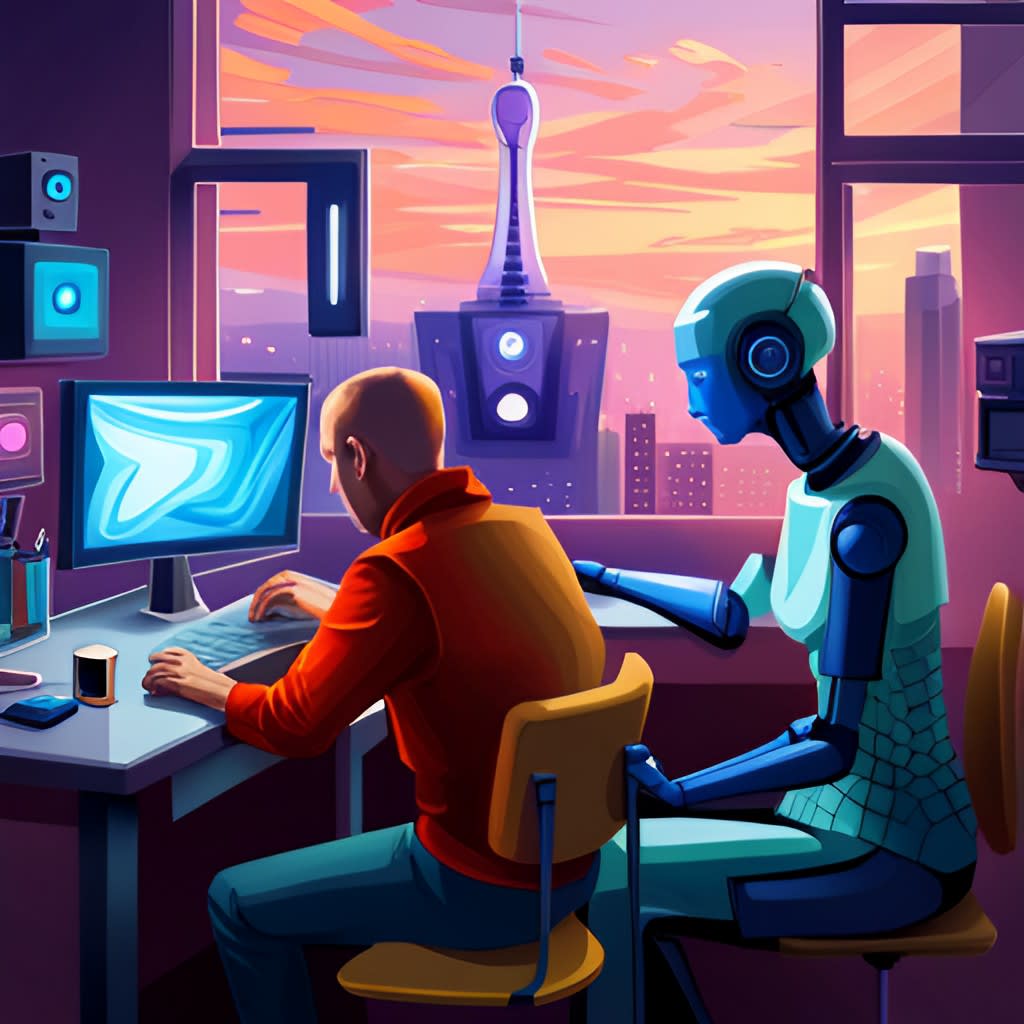
AI vs. human: creativity
Differences
- Emotions. Creativity is largely based on emotions. The most influential works of art, film, and literature tend to resonate with audiences because the creator drew from their own emotions when executing their creativity.
- Intentions. AI doesn’t understand the purpose behind the things it creates. While humans have defined intentions behind the things they create—looking to evoke certain emotions or thoughts—AI can’t do this. The content it produces lacks this intentionality.
- Originality. Though AI may appear to produce novel and original things, it’s limited by its programming. Humans can come up with groundbreaking ideas driven by creativity, but AI is confined to data and patterns, unable to produce something truly original.
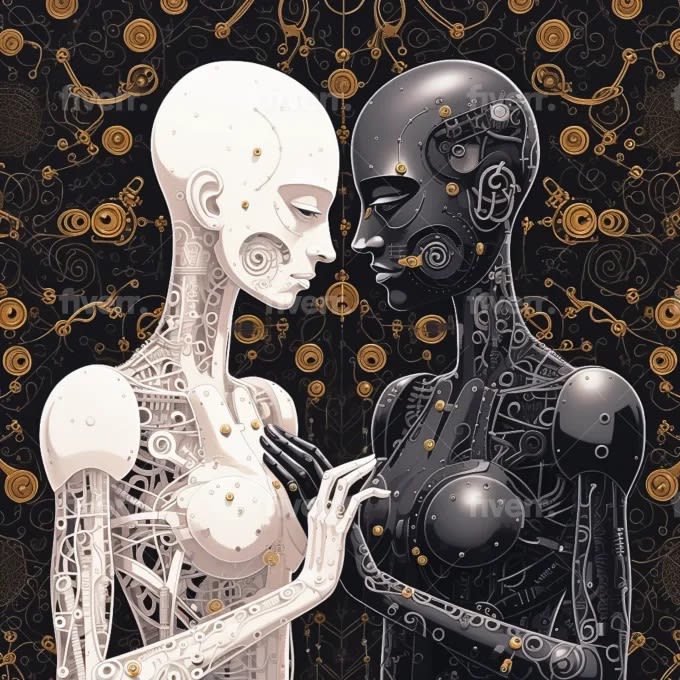
Similarities
- Trial and error. AI’s own creativity is constantly tweaked and altered, similar to humans’. Humans can experiment with AI chatbots like ChatGPT and fine-tune its creative endeavors with better prompts to produce a polished final product.
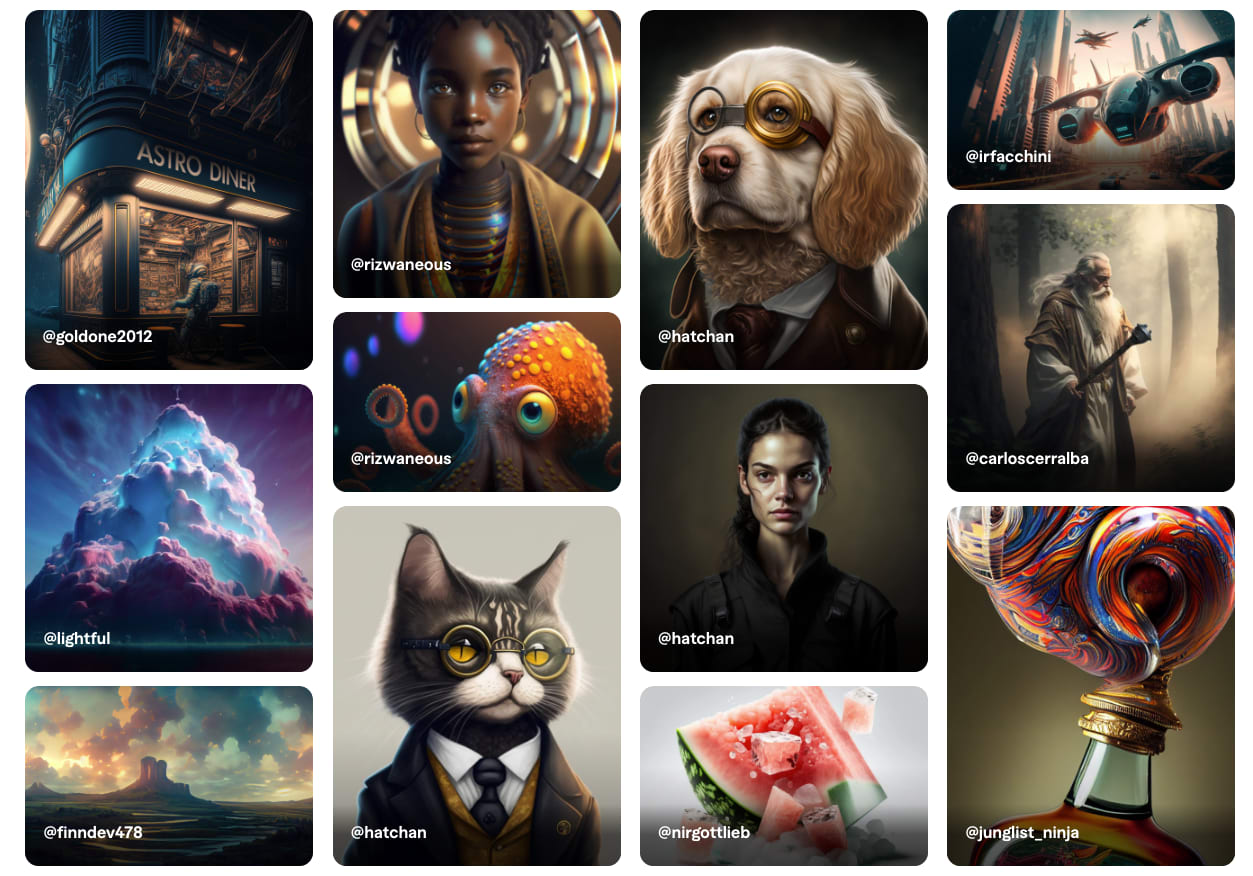
- Ability to work with many mediums. With expert prompt engineers behind the wheel, AI produces stunning images, content marketing material, music, and more, much like its human counterparts.
Find an AI artist for your business


Top Rated
I will fix ai illustrations, generate, change and add details to it
Offers video consultations



Level 2
I will do custom graphic design, image editing, vector with ai
Offers video consultations








Top Rated
I will do ai product photography and mockups for your brand
Offers video consultations












Vetted Pro
I will create stunning ai art and photo edit the images to perfection
Offers video consultations



Vetted Pro
I will generate premium product images using ai and photoshop
Offers video consultations







Vetted Pro
I will create professional ai concept art and photo realistic visuals
Offers video consultations







Vetted Pro
I will produce ultra realistic ai photos images for brands and websites
Offers video consultations




Vetted Pro
I will design investor pitch deck presentations with full branding concept
From $150Offers video consultations




Level 2
I will create amazing graphic arts for you using midjourney ai
Offers video consultations

























Level 2
I will create premium ai product photography and ai model for ecommerce brands
Offers video consultations




AI vs. human: skills and abilities
Differences
- Accuracy. AI is more reliable in terms of accuracy, as it can’t make accidental errors like a human can. Though AI tends to be more precise, its outputs still need to be interpreted by a human. Though AI is good at analyzing data, humans must decide what data should be collected to start with.
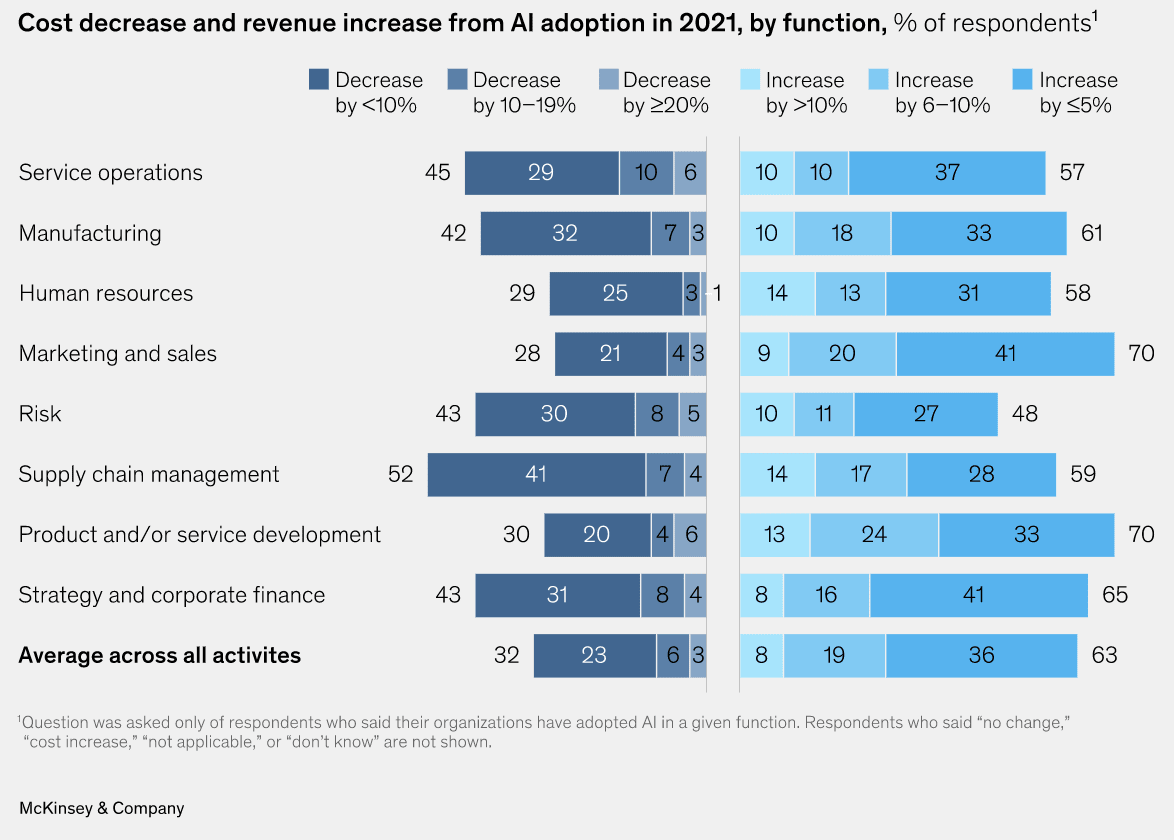
- Efficiency. The usage of AI is increasing in the workplace because it can perform repetitive tasks more efficiently than human beings. Rather than delegating monotonous tasks to a human worker, businesses are giving these chores to AI.
- Leadership. AI doesn’t possess the qualities of a good leader. Leadership requires emotions and relationships. Though AI can make monotonous judgments, that doesn’t mean it’s well-suited to step into leadership roles.
Similarities
- Problem solving. Humans and AI both solve problems, even if they do so in different ways. AI is programmed to be completely unbiased in its problem solving, while humans usually take other variables into account.
- Learning. Humans are constantly taking in new information, learning, and growing from that process. The same can be said for AI. When fed new data and put through training, it can learn new things.

What can AI do that humans can’t?
- Processing large amounts of data. One of AI’s most common uses in the workforce is the automation of repetitive tasks. This frees up time for employees to focus on work that requires more creativity.
- Working without rest. AI doesn’t need 8 hours of sleep to perform. It works around the clock, which is why many companies invest in a 24/7 chatbot that’s always available to answer customer service questions.
- Identifying patterns quickly. While humans can identify patterns, AI can do it in a fraction of the time and quickly draw conclusions. AI learns from its mistakes, becoming more efficient and accurate in the process.

What can humans do that AI can’t?
- Emotional intelligence. Machines don’t understand compassion and empathy—two important skills needed when interacting with humans and conducting business. Moral and ethical dilemmas typically can’t be solved when only looking at things through an objective lens.
- Developing relationships. Teamwork is essential when running a business. AI doesn’t have emotions or feelings, and these are necessary for developing relationships with coworkers and customers.
- Completing physical tasks. AI isn’t able to interact with the physical world in the same way humans can, and it hasn’t come close to mastering the art of dexterity.
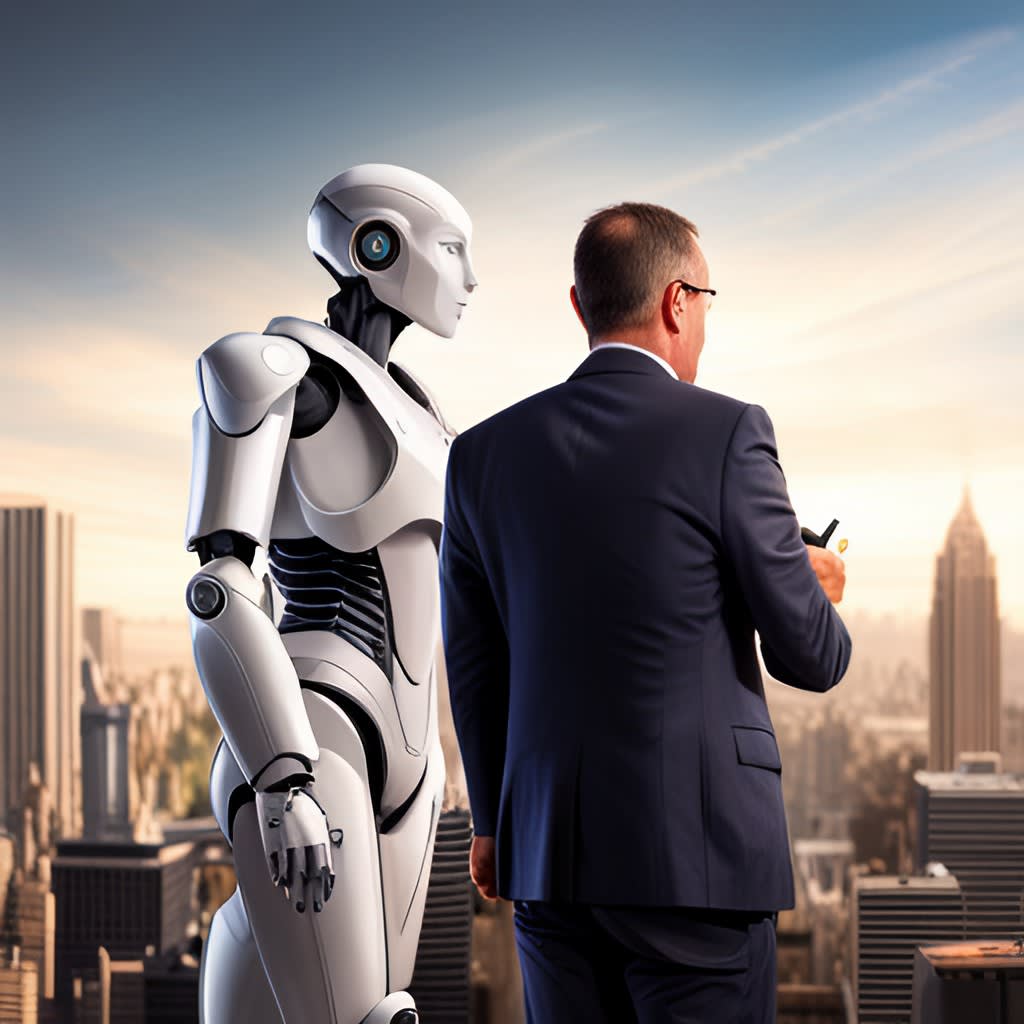
Integrating AI into your business operations
- Stay up to date with AI trends in your industry. Research how competitors and other businesses in your industry are making the most of AI.
- Identify opportunities for AI integration. Consider implementing similar solutions for enhanced productivity. Ensure there's still a human touch on all AI-generated materials.
- Collaborate with AI experts and vendors. Bring in expert AI freelancers who are proficient in working with various AI tools.
- Develop strategies for leveraging AI and human partnerships. Monitor success of campaigns and derive new ways to collaborate with AI.
Unlocking the potential of AI and human collaboration

Related Guides



About Author
Michelle Newblom
Michelle Newblom is a B2B SaaS writer with a knack for creative storytelling, which she artfully applies to all of her content. Her expertise lies in creating compelling copy for blogs and guides, which help businesses generate conversions and attain their goals.
