jQuery vs. React: 2026 Differences and Why to Choose One Over the Other
These two enormously popular JavaScript libraries serve different purposes.
 February 2, 2026
 7 minute reading
jQuery and React are the two most popular JavaScript libraries for front-end development in the world, according to Stack Overflow’s latest Global Developer Survey. However, jQuery’s popularity is more substantial among professional developers than among those getting started with coding.
New coders likely prefer React because jQuery emerged in an era before many of the significant advancements in web development occurred. This puts jQuery at a disadvantage in specific projects requiring modern features.
But whether to choose jQuery or React isn’t so easy to answer.
Let’s take a deep dive into the background and use cases of these popular JavaScript libraries so you can decide which is best for you.
Find a Software Developer for Hire


I will fix wordpress issues, fix wordpress errors, bugs, fix wordpress website
Offers video consultations






I will fix and develop any custom php, codeigniter, laravel website
Offers video consultations


I will build ai powered web application using react and next
Offers video consultations










I will develop custom CRM software, erp and web applications in PHP
Offers video consultations


I will be your custom ai software, full stack ai web application and software developer
Offers video consultations


I will build ai saas app ai website ai agent ai chatbot ai automation
Offers video consultations


I will do full stack web app development, custom website, frontend backend developer
Offers video consultations


Vetted Pro
Our agency will convert figma to HTML PSD to HTML with bootstrap tailwind
Offers video consultations


I will be your full stack ai web developer for saas, ai software, ai web app developer
Offers video consultations




I will build PHP laravel full stack web app, saas and rest API
Offers video consultations


I will develop custom reactjs web apps, ai agents as a full stack developer
Offers video consultations



I will get meta , fb, ig, wa , tiktok app permissions and approvals
Offers video consultations




I will build ai powered web app as full stack developer react and asp net core
Offers video consultations


I will build a modern custom website as your full stack developer
Offers video consultations







I will do web app software development saas website ai agent react software developer
Offers video consultations







I will build scalable mern stack web app with reactjs, typescript, node js
Offers video consultations


Vetted Pro
Our agency will build a high performance backend in rust production grade and scalable
Offers video consultations


Vetted Pro
I will be your full stack web developer and website programmer
Offers video consultations


Vetted Pro
Our agency will be your expert ai chatbot developer using voiceflow or dialogflow chatgpt more
Offers video consultations


I will build a modern dynamic ai integrated saas web app as a php software developer
Offers video consultations






I will build python django web, mobile app with database mysql
Offers video consultations



Our agency will web app development software developer php front end developer next js developer
Offers video consultations




Vetted Pro
I will ai software developer mern stack developer for full stack web app development
Offers video consultations


Vetted Pro
I will develop custom ai agents to automate your business
Offers video consultations

Vetted Pro
I will do full stack website development as a software developer
Offers video consultations


I will create an interactive 3d product configurator using threejs gsap webgl
Offers video consultations
An overview of jQuery and React
Different purposes
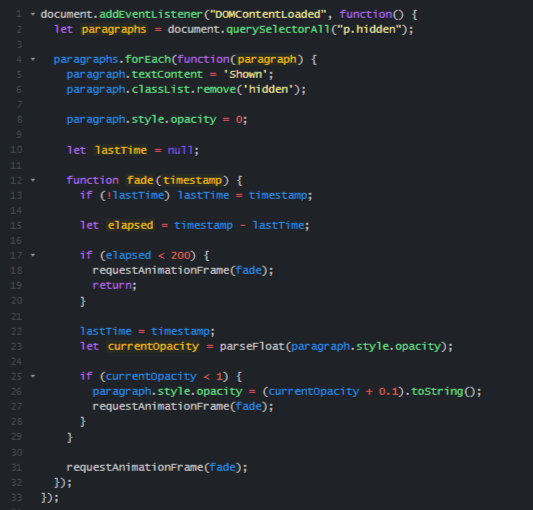
JavaScript code sample to animate a paragraph’s opacity.

Single line of code in jQuery.
- For quick JavaScript solutions in existing projects, use jQuery, because of its ease of use.
- For building an entire app from scratch, especially large applications, consider using React.
DOM manipulation
Community and ecosystem
