 September 30, 2026
 11 minute reading
A web designer shapes how your website looks and how visitors move through it, while a web developer writes the code that makes it work. If your site already functions and needs a visual refresh or a clearer user journey, start with a designer. If you need new features, integrations, or a build from the ground up, you need a developer.
That split sounds clean, but most website launches sit somewhere in the middle. Fiverr connects businesses with web design and web development specialists across every major platform, so you need to determine what your project needs first and in what order.
At a glance: Web Developer vs. Web Designer
- Web designers own layout, visual identity, and user experience. Web developers own the code that turns those decisions into a working site.
- Your platform choice usually answers the question for you. Shopify, Wix, Webflow and Squarespace projects tend to be design-led, while custom builds are development-led.
- A full-stack developer covers both ends of the code, which is not the same as covering design.
- Most complete launches involve both skill sets, either as two specialists or one hybrid professional.
- Fiverr gives businesses access to designers, developers, and full-stack professionals in one place, so you can bring each in at the stage where they add the most value.
- Figures in this guide are based on completed Fiverr website design and development projects.
What does a web designer do?

A web designer plans how a website looks, reads, and guides visitors toward an action. The work starts before any code exists, usually with sitemaps, wireframes, and user flows, then moves into visual design in a tool like Figma.
Most designers working on websites today describe themselves as UI/UX designers, and the two halves of that label matter. UX covers structure, like what goes on which page, how someone gets from a product page to a completed checkout, and where friction shows up. UI covers the visible layer, including typography, color, spacing, buttons, and states.
Designers think in terms of the visitor first. They work through questions like where the eye lands on a landing page, how many clicks it takes to reach a contact form, and whether a checkout flow feels natural on a phone or a tablet.
Typical web designer deliverables include:
- Sitemaps and page-level wireframes
- High-fidelity mockups for desktop and mobile
- A design system covering type, color, components, and spacing
- Prototypes that show interactions before development starts
- Handoff files with specs a developer can build from
What does a web developer do?
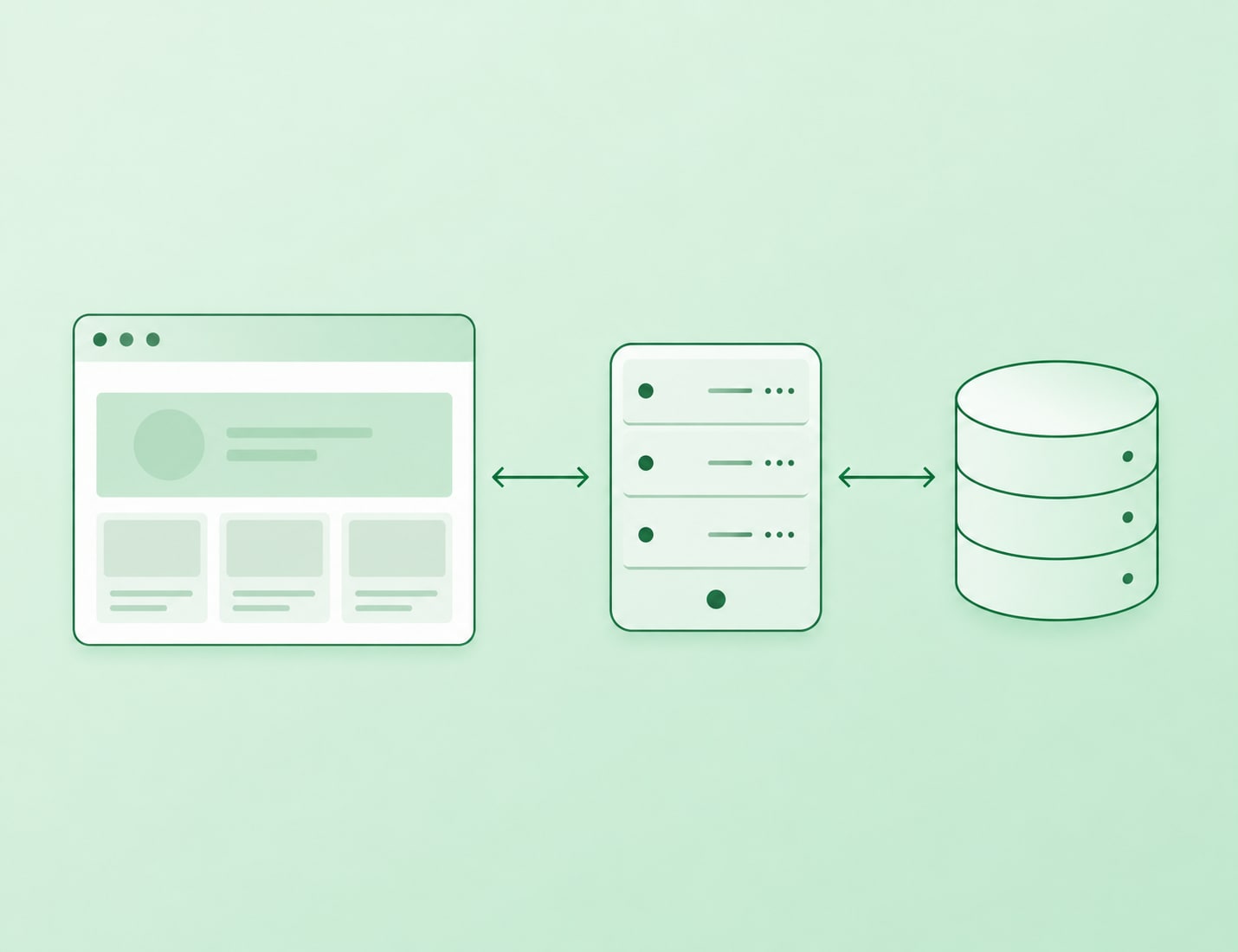
A web developer writes the code that makes a website function, load quickly, and connect to the systems behind it. Development picks up where design leaves off, translating static layouts into working pages, forms, and logic.
Developers usually specialize. Front-end developers build what visitors interact with, working in HTML, CSS, JavaScript, and frameworks like React. Back-end developers handle servers, databases, authentication, and business logic in languages like PHP, Python, or Node.js. Full-stack developers work across both.
A developer is also the person who handles the parts of a site that never appear in a mockup, including page speed, security, accessibility compliance, third-party integrations, and the migration work that comes with a replatform.
Typical web developer deliverables include:
- A responsive, working build of the approved design
- Custom functionality such as booking flows, calculators, or member areas
- CRM, payment, analytics, and email platform integrations
- Performance, accessibility, and security improvements
- Ongoing maintenance, updates, and bug fixes
Key differences between a web designer and a web developer
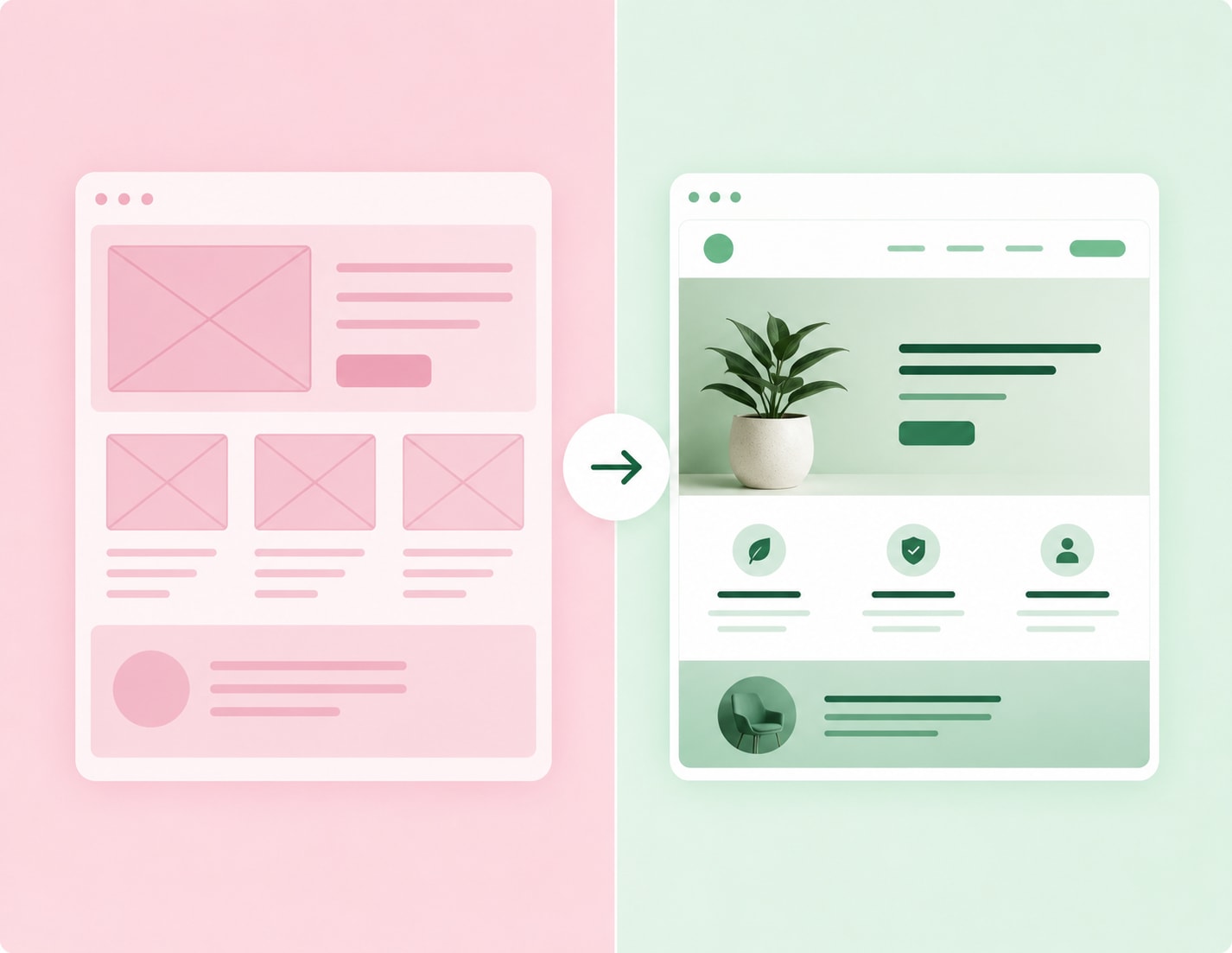
The two roles differ in what they are accountable for. A designer is judged on whether the site communicates clearly and converts. A developer is judged on whether it works reliably under real conditions. The simplest way to tell them apart is by what each one hands over at the end: a designer delivers files and a plan, a developer delivers a working website.
Web Designer vs. Web Developer
Web Designer
Web Developer
Primary focus
Layout, visuals, user flow
Code, function, performance
Main deliverable
Mockups and design system
Working, deployed site
Core tools
Figma, Webflow Designer, Adobe XD
HTML, CSS, JavaScript, React, PHP
Judged on
Clarity, brand fit, conversion
Speed, stability, security
Enters the project
At planning and concept stage
After design, or at replatform
Best fit for
Redesigns, brand launches, UX fixes
New features, custom builds, integrations
Plenty of designers write clean CSS, and plenty of front-end developers can produce a competent layout. What rarely overlaps is depth. A developer who designs will usually work from an existing brand system rather than creating one, and a designer who codes will usually stop short of custom back-end logic.
It also helps to treat the difference as one of sequence rather than importance. A well-designed site that was never built properly will not load or convert, and a technically solid site with no design thinking behind it loses visitors before they reach a form.
Which tech stack you choose decides who to hire
Your platform decision narrows the hiring decision more than anything else. Before posting a brief, decide what the site will be built on, because that single choice determines whether design or development leads the project.
On builder platforms the line between the two roles genuinely collapses. Most work commissioned as website design on Fiverr is design and assembly on a template platform in one engagement, which is why a Wix or Squarespace project rarely needs two hires and a custom build almost always does.
Who Leads the Build by Platform
Platform
Usually led by
Bring in the other role when
WordPress
Designer, with developer support
You need custom plugins, migrations, or speed work
Shopify
Designer, with theme customization
You need app work, checkout logic, or custom Liquid
Wix and Squarespace
Designer
You need integrations or logic the platform does not cover
Webflow
Designer
You need CMS logic, integrations, or custom code
Custom builds
(React, Next.js, etc.)
Developer
You need UI/UX design before the build starts
WordPress
WordPress projects can run either way depending on approach. A designer working from a premium theme can deliver a polished marketing site with minimal code, while anything involving custom post types, plugin development, or a migration from another platform needs a developer.
It remains one of the most flexible options for content-heavy sites, blogs, and service businesses, which is part of why the split between design work and development work varies so much from project to project.
Shopify
Shopify stores are usually designed rather than coded, since theme customization covers most storefront needs. Development work enters when you need custom Liquid templates, checkout modifications, app integrations, or a bespoke product configurator.
A useful division on Shopify projects is that a designer shapes product page layout and the overall shopping experience, while a developer handles store setup, app connections, and anything touching checkout.
Wix and Squarespace
Hosted builders are designed to be assembled visually, so these projects are almost always design-led. A developer is only needed when you hit the platform's ceiling, usually on integrations, custom logic, or data flowing to another system.
Webflow
Webflow was built for designers, and most projects on it are design-led from start to finish. A developer becomes useful when the site needs complex CMS relationships, third-party integrations, or custom JavaScript layered on top of the visual build.
Because the platform blends design and light development into one tool, many businesses hire a single professional comfortable with both sides rather than splitting the work.
Custom Builds
Custom builds in React, Next.js, or a similar framework are development-led by definition. These projects still need a designer, but the design has to be finished and specified before engineering time starts, or the build cost climbs quickly.
They suit businesses with functionality that off-the-shelf platforms cannot support, and they almost always call for an experienced developer rather than a designer working alone.
Demand is not evenly split across platforms, and the split is not what industry coverage suggests. WordPress accounts for close to half of all website development projects commissioned on Fiverr, with Shopify a distant second and the rest spread thinly across builders and custom work.
Website development projects by platform
Platform
Share of projects
WordPress
~45%
Shopify
~22%
Custom builds
~10%
Wix
~9%
Squarespace
~5%
Webflow
~4%
WooCommerce
~2%
Figures are based on completed Fiverr website development orders.
When to hire a web designer
Hire a designer when the problem you are solving is about clarity, appearance, or how people move through the site. Common situations include:
- Your site works but looks dated against competitors
- Visitors land and leave without reaching a key page
- You have new branding that the current site does not reflect
- You are launching on Webflow, Shopify, or a WordPress theme
- You need mockups before a development team can quote accurately
When to hire a web developer
Hire a developer when the problem is about function, scale, or connection to other systems. Common situations include:
- You need features the platform does not offer out of the box
- Your site is slow, unstable, or failing accessibility checks
- You are integrating a CRM, payment provider, or inventory system
- You are moving from one platform to another
- You already have finished designs and need them built
Do you need both a web designer and developer?
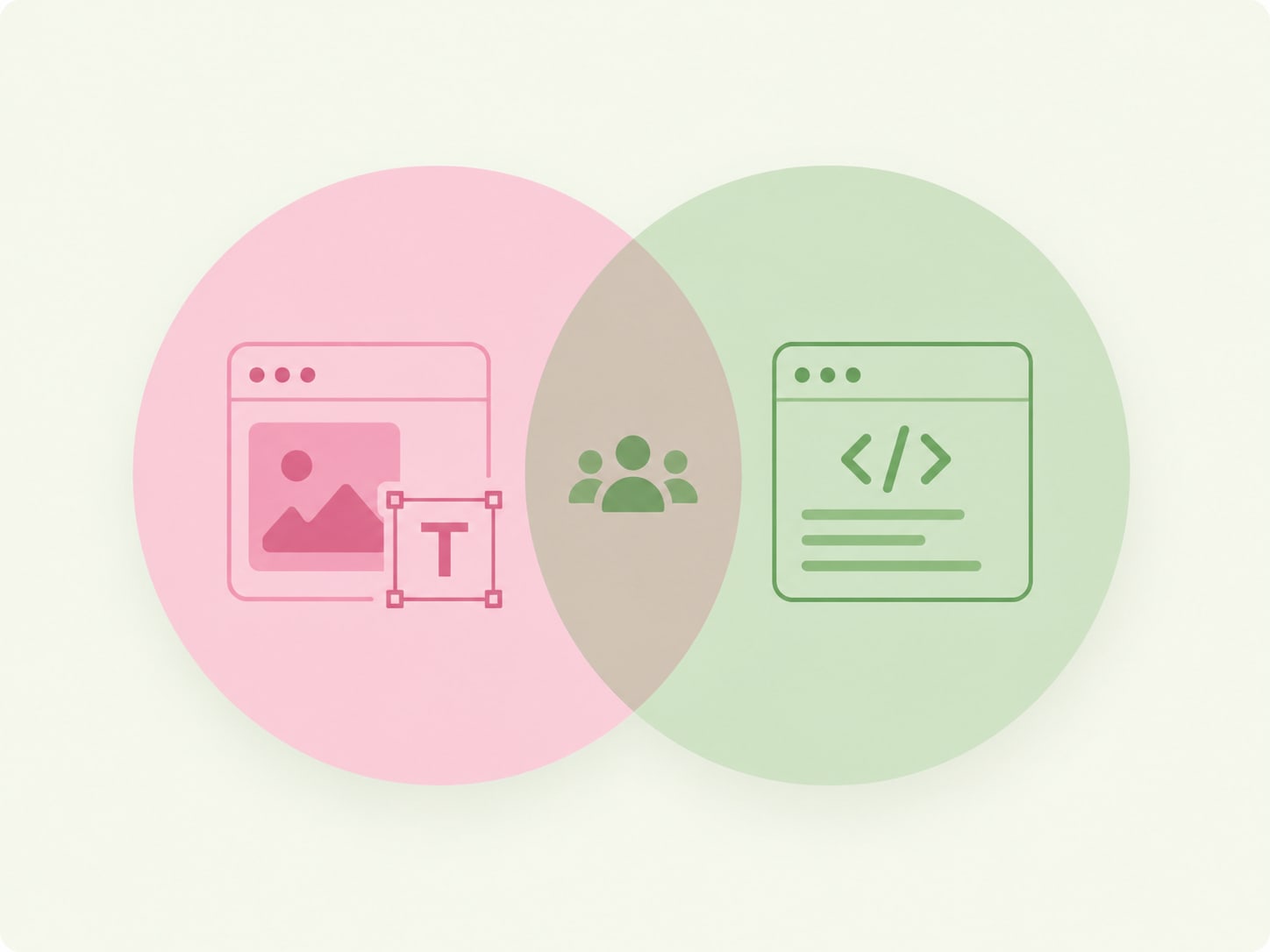
For a full website launch or a total redesign, the answer is usually yes. The either-or framing that shows up in most search results does not match how these projects actually run, since a new site needs both a plan for how it should work and the code to make it happen.
The more useful question is sequencing. Design should come first on nearly every project, because a developer quoting against a finished design can scope accurately, while a developer quoting against a rough idea is guessing. Skipping design does not remove that work, it just moves it into the build phase where changes cost more.
There are real exceptions. A one-page site on an existing theme rarely justifies two hires, and a purely technical fix on a site you already like needs a developer alone.
Should I choose two specialists or one full-stack developer

Once you know you need both skill sets, the next decision is whether to hire two people or one professional who covers both. The right answer depends on scope more than cost.
It is worth setting aside the assumption that design is the cheaper half of the project. Across completed Fiverr website projects, typical project values for website design and website development overlap substantially, so cost is not a reliable way to decide which role to hire first. Scope and platform are.
Two specialists work better when the project is large, the brand matters, or the functionality is genuinely custom. You get depth on both sides, and each person is accountable for their own layer. The tradeoff is coordination, since someone has to own the handoff and manage feedback across two people.
One full-stack professional works better when the project is contained or the timeline is short. Design and build decisions happen in the same head, which removes a lot of back and forth. This also tends to be the better fit when you are working in Webflow or Shopify, where the two disciplines already overlap inside the platform itself.
Be precise about what "full-stack" means when you write the brief. In standard usage it describes a developer who works across front-end and back-end code, not a developer who also designs. If you want both from one person, say so directly and ask for portfolio work showing original design, not just built implementations of someone else's mockups.
Whichever route you take, agree on the handoff points before work starts. A two-person setup needs a clear moment where design is final and build begins, and a single professional still needs the design decisions locked before they start building against them.
Cost and timeline: what to expect from each role
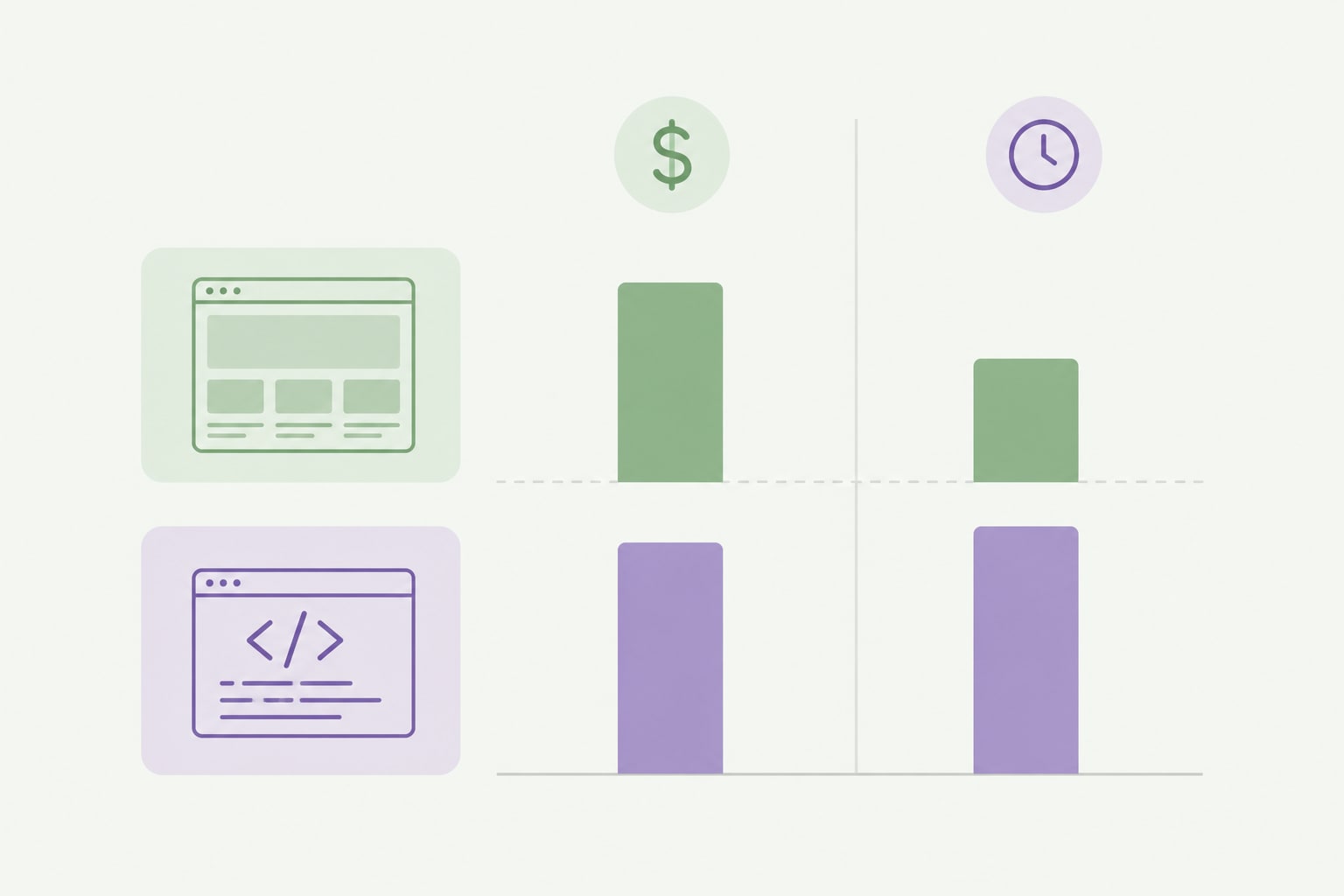
Design projects and development projects differ in price as well as turnaround, mainly because development scope varies far more widely. A visual refresh has fairly predictable boundaries. A build with custom logic, integrations, or a data layer behind it does not.
Timeline is often the deciding factor between hiring one generalist and hiring two specialists, since a handoff between two people adds calendar time even when it adds quality. If you are working toward a fixed launch date, scope the design phase first and build the development window around the finished spec rather than the other way around.
For a fuller breakdown of what shapes a quote, read our guide to web development pricing. Comparing experience levels, client reviews, and portfolio samples for each role is the fastest way to judge whether one professional can realistically cover both parts of your project.
Find the right web designer and web developer on Fiverr
Fiverr gives businesses access to designers, front-end and back-end developers, and full-stack professionals across every major platform, from WordPress and Webflow to Shopify and fully custom builds. You can hire one specialist for a focused piece of work or bring in both roles for a full launch, with clear scope and pricing agreed before the project starts.
You can browse portfolios, message professionals about your specific platform and scope, and choose a structure that fits the engagement, whether that is a fixed-price project or ongoing work as your site grows.
Hire Web Design and Development Freelancers
Get your next website project off the ground on Fiverr.

FAQs
Most new websites need both, but not at the same time. Start with a designer to define structure, layout, and user flow, then bring in a developer to build it. If you are working from a ready-made theme and only need light customization, one professional with both skill sets is often enough.
Related Guides


About the author
Lior IluzVP R&D
Lior Iluz is a VP of R&D at Fiverr, leading cross-organizational engineering efforts across web and mobile platforms. With over a decade of experience spanning Android development, full-stack engineering, and senior R&D leadership, his background centers on building and scaling distributed, event-driven systems and modern cloud-native architectures. His work focuses on technical strategy, team leadership, and delivering resilient, high-impact products at scale.
