 August 3, 2026
 10 minute reading
Did you know businesses that utilize consumer behavior data to gain valuable insights about their potential customers enjoy 85% more in sales growth and an additional 25% in gross margin than those who don’t? If you’re a business owner, there’s no doubt you want to achieve this success for your company, but lacking the necessary consumer behavior analysis understanding and knowledge can put you at a serious disadvantage.
This is because marketing strategies are normally based on direct and indirect beliefs about consumer behavior. Therefore, when a business is devising their marketing tactics, using the knowledge they have gained through their understanding and analysis of their consumers' behavior can help them achieve higher sales growth, boosted revenue, and marketing success.
Within this guide, we will walk you through everything you need to know about consumer behavior to boost your business
Understanding consumer behavior basics
Find a Market Researcher for Hire









Level 2
I will do market research, competitor analysis and business plans
Offers video consultations



Top Rated
I will create branded typeform, google forms, jotform, ai chatbot
Offers video consultations







Vetted Pro
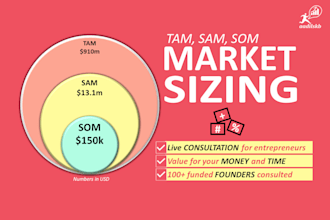
I will validate your business idea with strategic market research
Offers video consultations



















Level 2
I will do market research, swot analysis and competitor analysis
Offers video consultations





Top Rated
I will deliver market research, competitor analysis, and strategy
Offers video consultations


Vetted Pro
I will provide comprehensive competitor research and analysis
Offers video consultations










Vetted Pro
I will validate your business concept with strategic market analysis
Offers video consultations




Level 2
I will online survey forms, heyflow, tally, cognito form, google form zoho form, wpform
Offers video consultations













Level 2
I will do market research and competitor analysis for any business
Offers video consultations





Top Rated
I will do amazon fba private label product research, manufacturer sourcing with nda
Offers video consultations


What does consumer behavior mean?
Why is consumer behavior important?
- What consumers think and how they feel about various brands, products, services, etc.
- What influences consumers to choose between the various options available to them
- Consumers’ behavior while researching and shopping
- How consumers’ environment (including their friends and family, the media they consume, etc.) influences their behavior
- Personal factors such as those influenced by a consumer’s demographics, including age, gender, cultural background, life stage, and more. These elements play an important role in shaping an individual’s own interests and opinions.
- Psychological factors such as their response to a marketing message or elements that stimulate the senses, including light, heat, sound, touch, and more.
- Social factors including the influences of friends, family, and social media, or aspects such as an individual’s education level or income.
- Marketing campaigns which, when done successfully, can influence impulse purchases or persuade consumers to change brands or opt for more expensive alternatives.
- Purchasing power including a person’s financial ability to buy products or services, as well as the “value” of the transaction in terms of what they receive. This can play a large role in what brand they choose (for example, the cheaper or more expensive brand) and if they can justify making the purchase at all.
- Personal needs and wants, as well as their personality and the in-built preferences, priorities, morals, and values that come with it.
Types of consumer behavior
Complex buying behavior
Dissonance-reducing buying behavior
Habitual buying behavior
Variety-seeking behavior
Consumer behavior examples
- Needs: Needs are essential to your marketing as they give people a reason to buy. You'll need to understand the needs of your target audience to effectively communicate your solution. For example, a customer paying for a dog-walking service has an underlying need to have their dog walked. You'd want to dig into the causes of that need, such as not having the time or desire.
- Motivation: It's important to understand what gives your audience a general desire and willingness to take action. For example, the dog owner who wants to hire a dog walker may have a restless dog that is causing problems in the house.
- Search: Customers use various methods to learn more about the products and services they need. It's important to understand how your customers are looking for information. For example, they could be searching for certain keywords on Google and social media.
- Purchasing decisions: Customers often go through stages when deciding what to buy, such as researching the details of an offering, comparing multiple providers, and reading reviews. It's important to understand your buyer's process and have content in place to guide them along the desired path. For example, the dog walker could run ads for people searching for dog walkers and even problems that result when dogs aren't walked. They could write blogs and social posts about their service, their results, and overall dog health. Then, they could ask customers for reviews and testimonials to post online.
- Customer loyalty: Customers are loyal to brands that satisfy their needs and vice versa. Understanding what drives customer loyalty, and what hurts it, is important to growing a customer base that doesn't churn. For example, if a dog walking service brings back a dog that is happy and calm, the owner will likely continue with the service. However, if they bring back a dog that continues to be hyper, they may look for another solution.
- Technology adoption: Customers are often willing to try a new technology or innovation. However, it's important to gauge your audience's willingness. For example, VR headsets are rising in popularity as the technology has improved and more consumers are open to that form of entertainment.
- Price sensitivity: The price of a product will impact if a customer is willing to buy and how much they will spend. For example, a customer may be willing to pay for an expensive dinner out on occasion but not every month. As a brand, it's important to understand your audience and how much they are willing to pay.
- Perceptions: Customers form perceptions about brands based on their encounters with that brand and their internal reference point (belief, values, etc.). As a brand, it's important to be aware of the impression you are making on the audience and in control of it. You can do this by developing a documented brand strategy and showing up with consistency.
- Product use: It's important to understand how your customers use your products and services to encourage increased use. For example, Facebook enables you to pick your most important friends so you can see their content first on your feed. This encourages users to use and engage with the app more.
- Post-purchase evaluation: Customers will have an opinion after they buy from your brand, and brands can benefit from connecting with customers to find out their level of satisfaction. For example, you could send follow-up emails with surveys to gauge satisfaction and gain feedback.
- Word of mouth: When people are happy with a product or service, they will often tell others about it. As a brand, you can encourage this behavior with referral programs. For example, Airbnb offers travel credits when members refer new members.
Consumer behavior models
Learning model
- Self-actualization (top): achieving your full potential and exploring creative activities
- Esteem needs: psychological needs involving prestige and feeling accomplished
- Belongingness and love needs: a psychological need for intimate relationships and friends
- Safety needs: a mix of a basic and psychological need to feel safe and secure
- Physiological needs (bottom): What our body requires to stay alive — rest, warmth, water, and food
Psychoanalytical model
Sociological model
Economic model of consumer behavior
Engel-Kollat-Blackwell (EKB) model
- Awareness: Consumers become aware of a need or want for a product or service (often through ads)
- Information processing: Consumers think about the product or service and how it could fit into their lives
- Evaluation: Consumers shop around to find the best deal on the product or service
- Purchasing decision: Consumers decide on the best deal and make the purchase or decide not to
- Outcome analysis: The consumer reflects on their purchase to see if it met their expectations, and they may become a repeat customer or may begin to look for another solution
Black Box model
Hawkins Stern impulse buying model
- Escape impulse: A purchase that's made that's not on a person's list and isn't routine. This provides a bit of an escape from the mundane and ordinary.
- Reminder impulse: A purchase made on the reminder impulse happens when a shopper is reminded that a product exists in an opportune moment. For example, a chip bag clip is placed in the chip section.
- Suggested impulse: People buy based on a suggested impulse when something is suggested to them. For example, if you're buying a new phone and the salesperson suggests a phone case and screen protector.
- Planned impulse: While these two words may seem to contradict each other, a planned impulse purchase happens when someone has been planning to buy something but then does so because they find a great deal.
Howard Sheth model
Nicosia model
- The first is a combination of the business's marketing and the target audience. During this stage, consumers come into contact with a business's messaging and form an opinion or attitude about it.
- Next, if interested, the consumer begins to perform research about the business and compares it to competitors.
- If successful, a brand motivates the seller to buy from it which results in a purchase.
- Then, the firm and customer review their satisfaction with the transaction to decide on future steps.
Webster and Wind model of organizational buying behavior
- Environmental variables: external factors like supplier relationships, customer demands, politics, and competitive pressure
- Organizational variables: internal business factors like a company's leadership team and goals
- Buying center variables: factors within the team making buying decisions like who is in charge of approving the decision and who's involved in the process
- Individual variables: factors within individual prospects such as their age, education, priorities, etc.
Customer behavior segmentation
- Purchasing behavior: The consumer's attitudes, preferences, intentions, and decisions when purchasing a product or service
- Benefits sought: What the customer is hoping to attain from purchasing the product or service and why they are seeking it in the first place
- Customer journey stage: There are five main stages in the customer journey, starting from their very first interaction with your brand (awareness) and leading through to consideration, decision, retention, and advocacy
- Usage: How the product or service is used by the consumer, including how often, when, and where
- Occasion or timing: Occasions can indicate purchasing patterns for an individual customer that consistently repeats over a period of time. These might include birthdays, anniversaries, vacations, monthly purchases, or daily rituals
- Customer satisfaction: A measurement that determines how happy customers are with the company's products, services, and capabilities
- Customer loyalty: Loyal customers are those who do repeat business with the brand, choosing them over their competitors time and time again. A customer’s loyalty is encouraged by three things: positive customer experiences, customer satisfaction, and the perceived value they gain from the product or service.
Conclusion

Related Guides




About author
Michael Keenan
Michael is a marketer and entrepreneur living in Guadalajara, Mexico. Through storytelling and data-driven content, his focus is on providing valuable insight and advice on issues that readers care about most.
