 August 3, 2026
 8 minute reading
Nick is a talented cook. He makes food that’s so good, people always praise him for his culinary chops.
Nick’s close-knit community adores his creamy risotto, roasted shrimp, and lemon arugula salad. Some even joke, “Nick, if you ever start a catering business, we’ll be your everyday customers!”
That idea became the seed that sparked Nick’s seafood catering business, which has grown into a successful venture.
Like Nick, you probably have that catering business spark. Maybe someone commented on a dish you made or the passion has been brewing for a while, and now you’re ready to start your own catering company.
To help you fan that spark to flame, we put together this step-by-step guide, so you can learn everything you need to know about how to start a catering business.
11 steps to start a catering business
Starting a catering business is a great way to turn your passion into profits. But there’s more to catering than putting food on plates.
Before you plan out a menu or hire staff, you’ll need to learn all the ingredients of running a food enterprise, from registration to setting up your shop to marketing to selling to real customers, and more.
There’s no avoiding this reality, but with a little planning and guidance, you'll be delighting guests at any function in no time.
Whether you want to dish up culinary delights at weddings, charity balls, corporate dinners, festivals, or other events, here’s how to start a catering business in 11 simple steps.
Find a business plan writer for hire

Level 2
I will find rfp, write winning government contract, bid proposal, rfq, rfi grant apply
Offers video consultations






Level 2
I will write startups, sba business plan, proposal, pitch deck, grant or financial plan
Offers video consultations




Top Rated
I will prepare an sba business plan for the loan approval
Offers video consultations


Level 2
I will write an investor ready business plan and financial plan
Offers video consultations


Top Rated
I will craft a business plan with marketing and financial model
Offers video consultations




Vetted Pro
I will prepare an investor ready business plan and financial plan for your startup
Offers video consultations







Level 2
I will prepare UK innovator visa business plan and apply with endorsing bodies for you
Offers video consultations


Vetted Pro
Our agency will prepare an sba business plan for startups for sba loan
Offers video consultations






Vetted Pro
I will create a business plan for startups and established brands
Offers video consultations

Level 2
I will craft an sba business plan for sba loan approval and investors
Offers video consultations






Level 2
I will write investor ready business plan, financial model and pitch deck
Offers video consultations


Top Rated
Our agency will develop an investor ready business plan and financial model
Offers video consultations


Vetted Pro
I will write an investor ready business plan with financial projections
Offers video consultations





Vetted Pro
I will write business plan with detailed financial model
Offers video consultations

Vetted Pro
Our agency will craft investors business plan, pitch deck, startups, financial plan, grants
Offers video consultations
Top Rated
I will write a perfect bar or restaurant business plan for you
Offers video consultations










Vetted Pro
I will write an sba business plan and financial plan for bank loan approval
Offers video consultations

Level 2
I will prepare a UK innovator founder visa endorsement package
Offers video consultations








Top Rated
I will prepare investor ready business plan and financial model
Offers video consultations
1. Learn about the catering industry
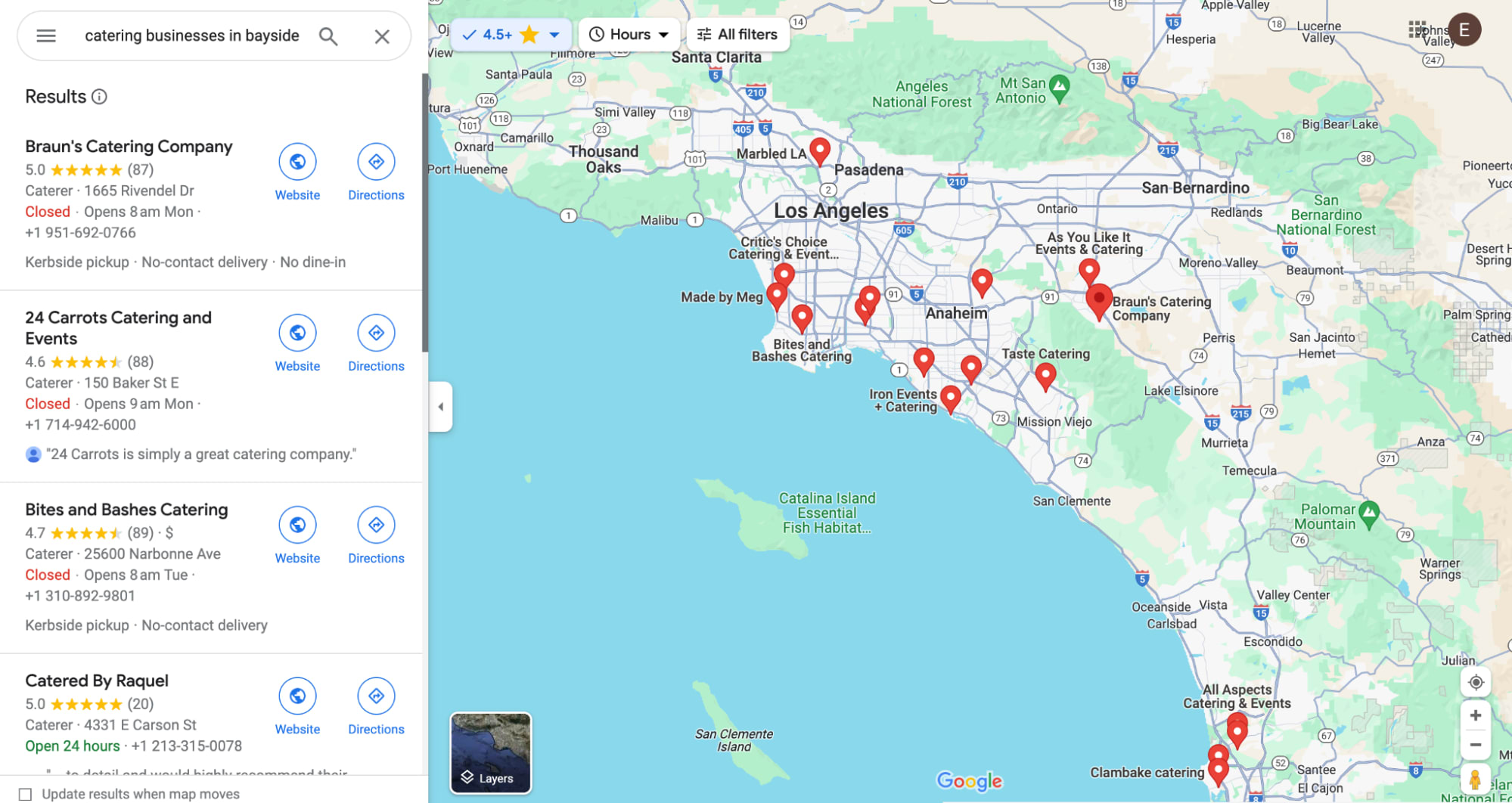
2. Conduct market research
- Location
- Sales volume
- Projected sales
- Projected expenses
- Contact information
3. Find a catering niche and format
- Corporate catering: Serves corporate and business events, and range from small onsite office functions to larger offsite or upscale functions.
- Wedding catering: Weddings are the largest revenue generator for 52% of caterers. This niche caters to wedding functions but may include extra services, like table arrangement, dish presentation, and decor.
- Concession catering: Designed for commercial businesses, like bakeries, coffee shops, or restaurants that buy baked goods or ready-to-eat meals. It also caters to events, like film sets, sports events, live concerts, and seasonal competitions.
- Social event catering: Caters to smaller, more intimate functions, like birthdays, baby or bridal showers, grand openings, funerals, bat mitzvahs, and reunions. The type of food you’ll serve will vary depending on the catering events you work at.
- Home-based catering business
- Mobile catering truck
- Brick and mortar establishment
- Ghost kitchen (rented, purchased prep, or leased space)
- On-site catering
4. Write a catering business plan
- Executive summary: An overview of your business (history and owner), its purpose, and success strategy.
- Financial projections: Outline your company’s projected financial growth, pricing, and expected profit margins to show your planned path to profitability.
- Sales and marketing strategy: Outline your marketing/promotional and sales strategies for the first few years.
- Competitive and market analysis: Give a general overview of your competitors and the market you’ll operate in at local and national levels.
- Business name: Choose a name, run trademark and patent checks on it to see if it’s available for use, then add it to your business plan.
5. Choose the right location
- The type and size of events you want to serve
- Where your ideal type of events are hosted
- Your ideal customer’s challenges and how your services will solve them
- Your competitors and the areas they serve
6. Obtain business licenses and permits
- General business license: Allows you to engage in business activities in your local area and ensures you comply with local zoning ordinances.
- Doing Business as (DBA) license: A DBA is the trade name you operate your business under other than the legal company name. You might need to file a DBA before running a catering business under another name.
- Employer Identification Number (EIN): This is your catering company’s tax ID, which lets you pay federal taxes, open bank accounts, hire staff, and apply for licenses and permits. You can get an EIN from the Internal Revenue Service (IRS) website.
- Home occupation permit: If you wish to run your catering business from your home, you may need a home business license, which lets you start your business and engage in business activities legally from your home.
- Food handler permit: Allows you to protect yourself, your customers, and workers. The permit is specific only to you and lets you work legally in the food and beverage industry. If you have employees, ensure they each have a food handler permit.
- Caterer permit: Depending on your state or country, you may need a specific caterer permit other than food safety certification or the food handler permit. If you intend to serve alcoholic beverages with your catered meals, you’ll need a caterer’s permit with alcohol license or liquor license.
- Restaurant food service license: Required by the local health department, so you can serve food to your customers. Check with your local or secretary of state’s office to apply for the correct one.
- Catering business insurance: This isn’t a license or permit, but you must have the right protections in place to cover your workers, yourself, or your property in case of any eventualities. Examples of insurance coverage for small businesses include general liability insurance, commercial property insurance, workers’ compensation insurance, and umbrella insurance.
7. Design your marketing plan and strategy
- Activities you plan to do over a specific time period
- Why you want to do those activities
- When the activities will be done
- How much the activities will cost
- The anticipated results of your marketing activities

- What’s your company’s unique appeal?
- What will you offer customers that the competition doesn’t provide?
8. Determine your business finances
- Food costs
- Utilities (gas, water, electricity)
- Equipment and appliances
- Packaging
- Marketing and advertising
- Labor
- Transport and logistics
- Licenses and permits
- Startup business grants
- Equipment financing
- Venture capital or angel financing
- Local or national bank business credit lines
9. Choose a business structure
- Sole proprietorship: Ideal if you plan to operate your business by yourself and keep things simple. It’s easy to form but doesn’t protect your personal assets in case of a lawsuit or bankruptcy. As the business owner, you report all income or losses on your personal income tax return. Your business won’t be taxed separately.
- Limited liability company (LLC): Ideal if you want to run your business with other LLC members. It’s a separate business entity from your individual person and may protect your personal assets. LLC members are responsible for paying self-employment taxes.
10. Purchase equipment and supplies
- Ovens
- Freezers and refrigerators
- Chafing dishes
- Tables
- Dishware
11. Market your business

Turn your culinary passion into profit

Related Guides




About author
Elsier Otachi
Elsier writes data-driven content for tech-led brands and SaaS companies that gets them noticed online and truly delivers value.
