 August 3, 2026
 11 minute reading
Chatbots are becoming an increasingly popular tool for businesses of all sizes—a staggering 88% of online shoppers report interacting with a chatbot in 2022. From small businesses to large corporations, chatbots offer a cost-effective way to improve customer service and automate mundane tasks. However, as technology evolves, so have the different types of chatbots, which is why we’ve compiled the top five options for small and medium-sized businesses (SMBs) and how to pick the right one.
What are chatbots?
Chatbots are computer programs designed to process and stimulate conversation with human users through voice or text conversations. They use artificial intelligence technologies such as natural language processing (NLP) and machine learning (ML) to understand user input and respond accordingly. Chatbots are used for a variety of SMB use cases—from support chatbots to marketing automation chatbots.
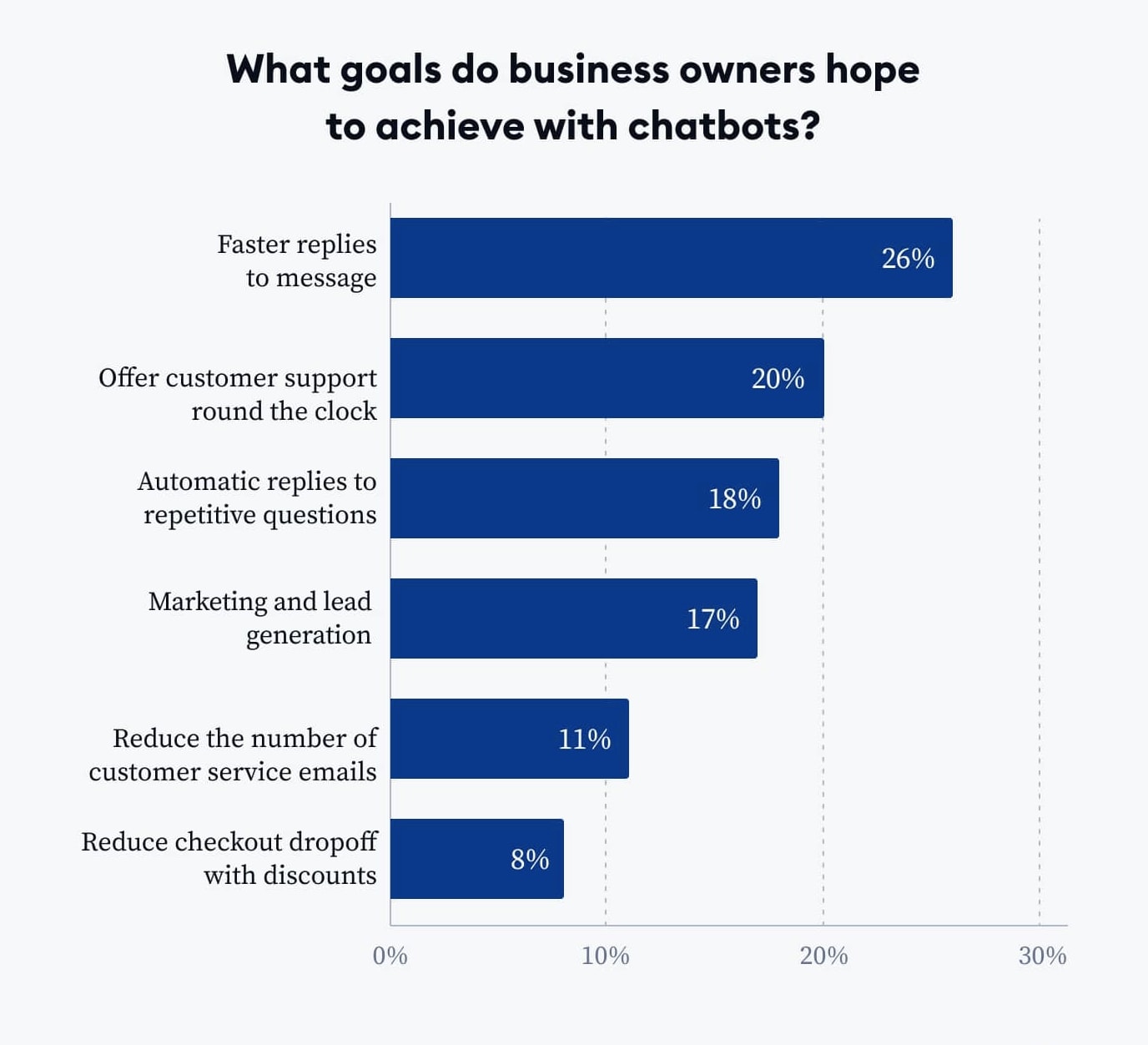
Chatbots work by providing customers with a convenient source of support 24/7, without the need for human interaction. Sixty-two percent of consumers would rather interact with a chatbot than wait 15 minutes to speak with a human agent. There are various tools and platforms available for implementing chatbots, including messaging apps such as WhatsApp and Facebook Messenger. Discord is another common platform for chatbots to help with community management, as are social media platforms like LinkedIn, Instagram, and X (formerly Twitter). Each platform offers its own set of features and capabilities that must be considered when choosing the right solution for your business needs.
Find Chatbot developers


Vetted Pro
I will do ai chatbot development, ai app developer, ai chatbot, ai mobile apps
From $100Offers video consultations


Vetted Pro
Our agency will do ai mobile app development, ai chatbot development as an ai app developer
Offers video consultations


Vetted Pro
I will develop ai models and chatbots for automation using python
From $550Offers video consultations



Vetted Pro
I will create wordpress ai website design and development with ai chatbot
From $250Offers video consultations

Vetted Pro
I will develop ai website, ai chatbot and custom ai web application
From $500Offers video consultations

Vetted Pro
I will design and develop a custom ai chatbot using openai integration
Offers video consultations

Vetted Pro
I will develop ai chatbot with chatgpt llm openai langchain pincone
Offers video consultations

Vetted Pro
I will develop ai website, ai chatbot, rag agent and ai saas application
Offers video consultations




Vetted Pro
I will develop chatgpt ai mobile app or website chatbot ai software
Offers video consultations

Vetted Pro
I will develop ai mobile apps ai chatbot ai website and n8n ai automation
From $150Offers video consultations

Vetted Pro
Our agency will be your expert ai chatbot developer using voiceflow or dialogflow chatgpt more
Offers video consultations


Vetted Pro
I will develop ai app, chatgpt saas, openai chatbot and ai mobile app
Offers video consultations

Vetted Pro
I will do ai mobile app development, ai chatbot, react native, flutter as ai developer
Offers video consultations


Vetted Pro
Our agency will do ai mobile app, ai chatbot, ai agent, agentic saas development
From $495Offers video consultations

Vetted Pro
I will develop ai software, mobile app, website, chatbot, agent, saas
Offers video consultations

Vetted Pro
Our agency will ai mobile app development ai chatbot ai website ai agent developer flutter ios
Offers video consultations


Vetted Pro
I will develop ai agentic chatbots and workflows for saas using openai langgraph etc
Offers video consultations

Vetted Pro
Our agency will develop ai saas chatgpt llm langchain chatbots mobile and web apps
From $500Offers video consultations




Vetted Pro
I will do gpt4, chatgpt and chatbot projects using python
Offers video consultations


Vetted Pro
I will build a rag ai agent and knowledge base chatbot from your documents
From $590Offers video consultations


Vetted Pro
I will build crypto website, ico landing page, dapp, ai chatbot, ai agent
Offers video consultations

Vetted Pro
I will build custom chatbots, ai agents, and llm solutions
From $125Offers video consultations



Vetted Pro
I will create a custom ai chatbot for your business needs
Offers video consultations

Vetted Pro
I will build ai website, ai app, chatbot, automation, or custom ai software
Offers video consultations







Vetted Pro
Our agency will provide ai mobile app developer ai website development ai saas
Offers video consultations

Vetted Pro
I will build native ai applications with chatbots and automation
From $100Offers video consultations
Vetted Pro
I will build custom ai chatbots, agents and llm integrations for your app
Offers video consultations



Vetted Pro
I will build a custom ai chatbot or llm application for your business
From $500Offers video consultations

Vetted Pro
I will develop an ai website or software as a full stack developer
From $750Offers video consultations


Vetted Pro
Our agency will build ai app, ai mobile app ai chatbot ai powered app ai agent ai website
Offers video consultations
5 types of chatbots for SMBs, and how to pick the right one
1. Rule-based chatbots
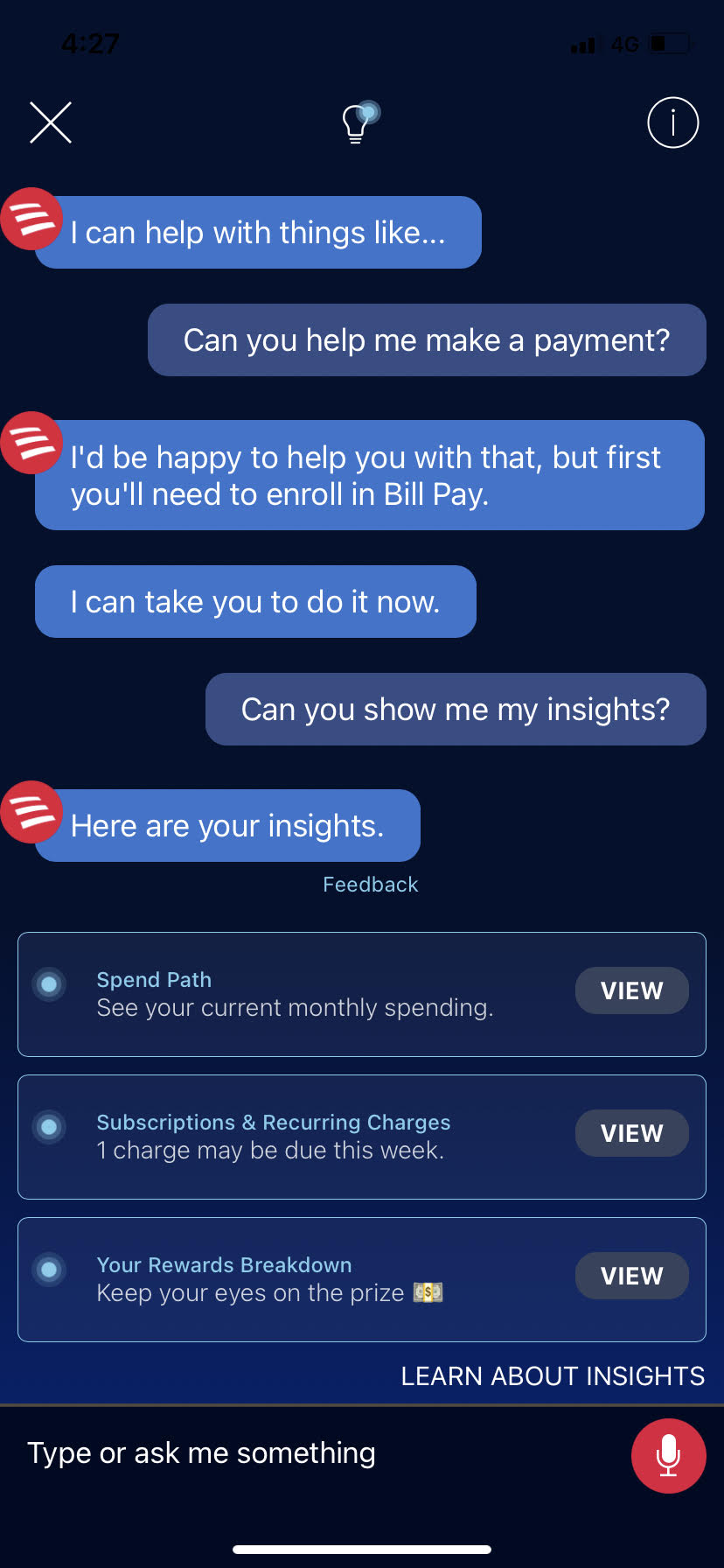
- Customer support. This chatbot technology is the most common type for solving repetitive customer queries. They’re more robust and helpful than FAQs, but they’re designed to take the place of a 24/7 support team and be available around the clock to answer a user’s questions.
- Scheduling. Program your rule-based chatbot to take care of the tedious work for you while simultaneously improving your leads. Integrate chatbot software to handle setting up calls with new clients or scheduling appointments.
- Information. Jot down the most frequently asked questions you receive about your products. Program a rule-based bot to automatically generate the answers to questions such as, “How much does Plan X cost?” or “How many plans exist?”
2. AI chatbots
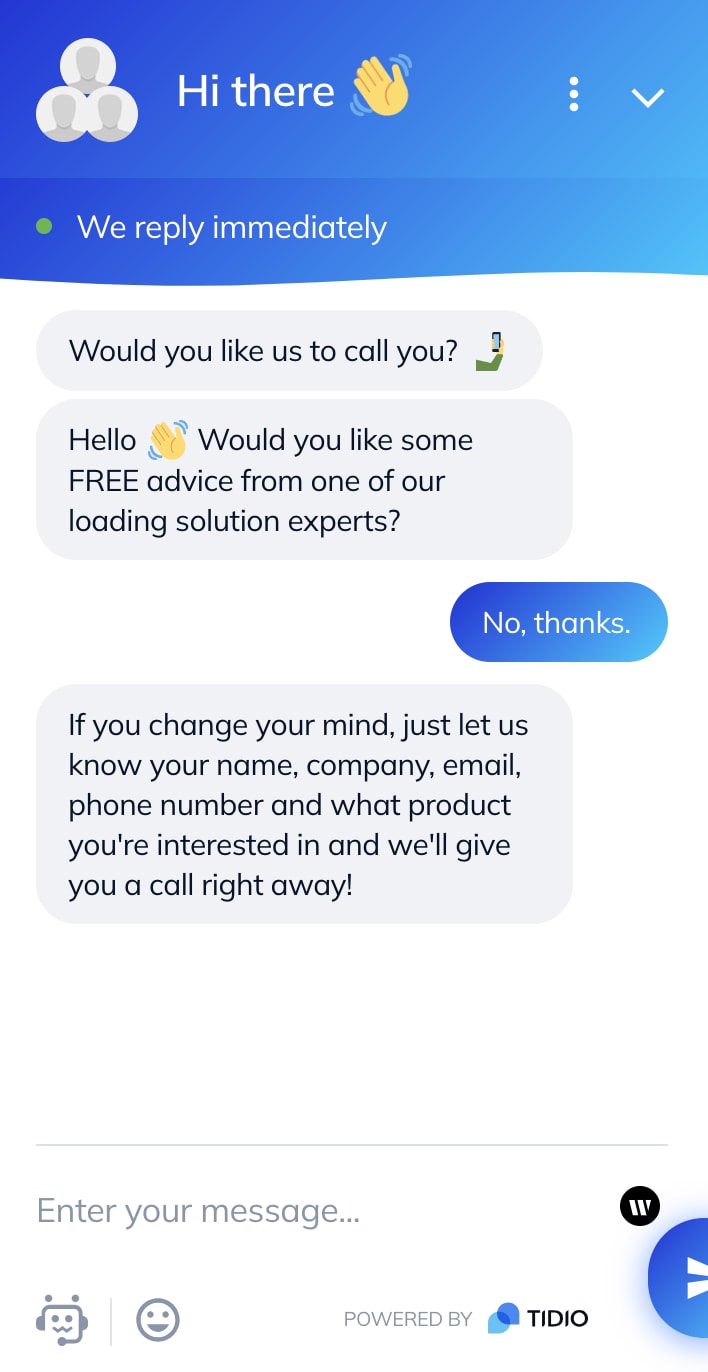
- Marketing. AI bots are great at providing personalized recommendations based on what they know about each individual user they interact with. These contextual chatbots are fantastic for customer engagement, as buyers will leave the interaction with unique suggestions they couldn’t get from a quick Google search.
- First contact. Some inquiries require a human agent to answer questions. AI chatbots can act as the first contact to determine whether AI can resolve the issue or if human agents—and from what department—need to enter the conversation.
- Customer support. You can’t anticipate every common question or its specific wording, especially if you have many products and lots of customers. AI chatbots can be an upgrade to a rule-based bot for customer support, since they have a larger knowledge base that is adapting and growing over time.
3. Menu-based chatbots
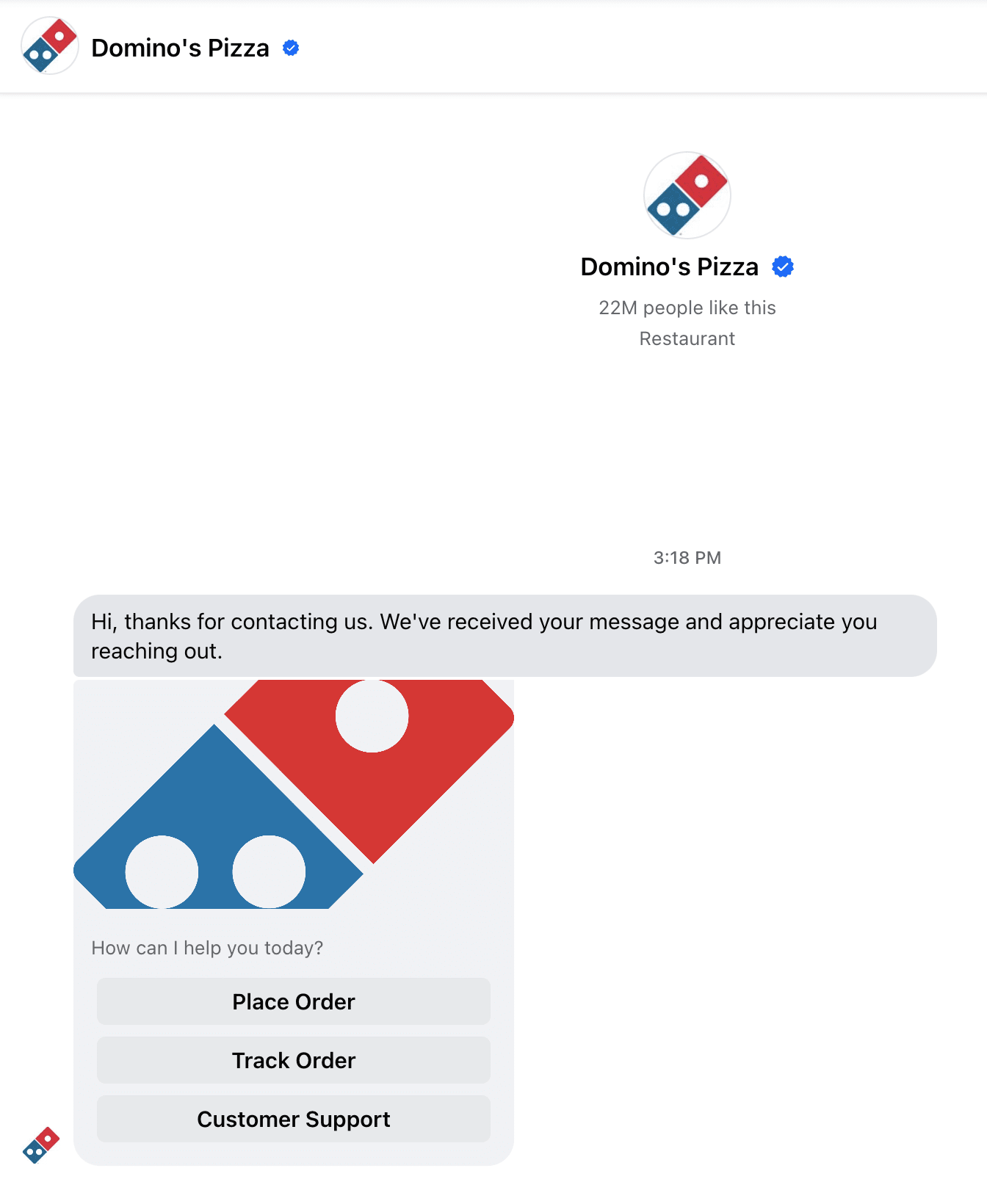
- Ordering. Many retailers and restaurants rely on menu-based chatbots to assist customers with placing an order. These chatbots can redirect them to the correct page or complete the task at hand after gathering the necessary information.
- Ecommerce. Lots of online boutiques have menu-based chatbots to make it easy for shoppers to browse products, track their orders, or manage returns. Again, a more complex chatbot can accelerate the process, but they’re still a good option for startups.
- Customer support. This use case is applicable for all types of chatbots, but it’s a great option for menu-based bots, as users can easily navigate to the correct department they need help from.
4. Voice chatbots
- Education. Consumers might be more likely to ask questions and learn about your products if it’s as simple as verbally asking a question. Voice chatbots often are programmed to be informational and educational.
- Human resources. Don’t restrict chatbots to customer-facing—they’re great for making internal processes more efficient as well. SMBs can use voice bots to assist with onboarding and act as a knowledge base for new employees.
- Ecommerce. Customers that prefer shopping online tend to be more tech-savvy, and voice chatbots enable them to self-serve their own queries. Convenience is always appreciated, and offering a voice chatbot as part of your ecommerce business is a sure way to improve customer satisfaction.
5. Hybrid chatbots
- Customer support. Hybrid chatbots use AI to stimulate natural conversations and make it easy for a human agent to intervene. Thanks to this, they’re a great choice for businesses wanting to automate customer service-related tasks and improve the overall customer experience.
- Lead generation. Since AI powers hybrid chatbots, they’re the perfect solution for interacting with new leads. Chatbots can capture customers’ contact information and provide helpful information on products they’re browsing.
- Sales. While sales might seem like an area better suited for humans, the power of AI has equipped chatbots with all the capabilities needed for selling and personalizing. Free up your human agents and empower a hybrid chatbot to start driving more revenue for you.
Tips for choosing the right type of chatbot for your business
- Evaluate current business processes for chatbot integration. Figure out where your business would most benefit from a chatbot, and where it would be easiest to add one into your current processes.
- Customize chatbot responses to align with specific customer needs. Program your chatbot according to the type you have selected. Before making it available to customers, try conversing with it and see where it excels and where it falls short.
- Integrate chatbot capabilities across communication channels. Determine which platforms are best suited for your chatbot and work with expert freelancers to launch your chatbot.
- Monitor chatbot metrics and user interactions. Always look at the data and conversation logs between your chatbot and customers. This allows you to spot areas for improvement and measure the chatbot’s effectiveness at resolving customer queries.
- Implement regular updates and enhancements. Optimize your chatbot’s effectiveness by continuously updating it and adding any necessary new scripts. Work with prompt engineers or other AI specialists to make your chatbot better.
- Engage with customers to gather feedback. Don’t just guess where your chatbot could improve—ask real customers. Based on their feedback, refine your chatbot to better meet their needs.
- Stay updated on emerging chatbot trends and technologies. The world of AI is constantly evolving—from adding plug-ins to ChatGPT to using prompt writers. Keep up-to-date on new trends or consult with AI experts to take your business to the next level.
Top services for chatbot development

Related Guides


About Author
Michelle Newblom
Michelle Newblom is a B2B SaaS writer with a knack for creative storytelling, which she artfully applies to all of her content. Her expertise lies in creating compelling copy for blogs and guides, which help businesses generate conversions and attain their goals.
