 August 3, 2026
 11 minute reading
The cryptocurrency and blockchain industry continues to expand rapidly in 2026, with businesses across finance, gaming, supply chain, and healthcare integrating distributed ledger technologies into their operations. As decentralized finance platforms mature and institutional adoption grows, companies need specialized developers who can build secure smart contracts, launch tokens, create decentralized applications, and implement blockchain protocols. Whether you're launching a new cryptocurrency project, developing an NFT marketplace, or building a trading platform, finding the right cryptocurrency developer requires understanding the diverse skill sets and pricing structures available in today's market.
Based on recent Fiverr marketplace data, cryptocurrency development services range from approximately $113 for basic coin and token creation to over $750 for sophisticated smart contract development. Pricing varies significantly based on project complexity, blockchain platform, security requirements, developer experience, and whether you need ongoing support or a one-time deliverable. This guide breaks down current cryptocurrency developer costs, explores the factors that influence pricing, compares different service types, and helps you determine which investment level aligns with your project goals and technical requirements.
Average Cryptocurrency Developer Costs
Based on Fiverr's recent marketplace data, cryptocurrency development services span a wide pricing spectrum depending on specialization and project scope. Understanding these baseline costs helps you budget appropriately and identify qualified professionals within your price range.
Decentralized Applications (dApps) development typically costs around $307.97 for fixed-price projects, with hourly rates ranging from $35 to $50 per hour. For ongoing or complex dApp development, developers charge an average of $840 for hourly-based engagements, reflecting the iterative nature of building user-facing blockchain applications.
Blockchain Protocol Development commands premium pricing at $232.58 for fixed projects, with specialists charging $50 per hour and averaging $400 for hourly engagements. This reflects the advanced technical expertise required to build consensus mechanisms, develop custom blockchains, or modify existing protocols.
Blockchain Security and Audits average $328.62 for fixed-price security assessments. Given the critical importance of identifying vulnerabilities before deployment, these services represent essential investments for any serious blockchain project.
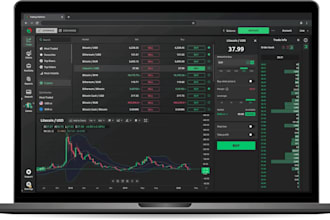
Exchange Platform development services start at approximately $150 for basic implementations, though comprehensive trading platform builds require significantly higher investment depending on features, liquidity integration, and regulatory compliance needs.
Coins and Tokens creation services begin around $113.06, representing entry-level cryptocurrency launches on existing blockchains. More sophisticated tokenomics, multi-chain deployment, or custom consensus mechanisms increase costs considerably.
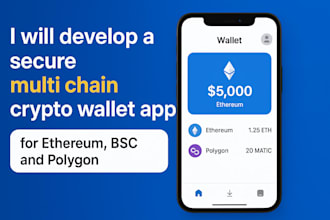
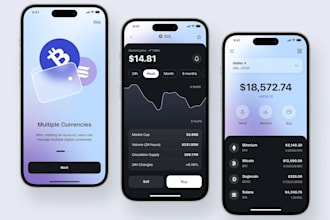
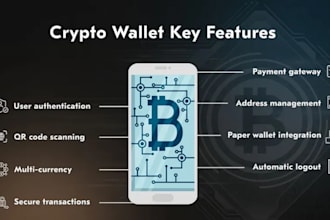
E-Wallet Development averages $218.68, covering basic cryptocurrency wallet functionality with send, receive, and storage capabilities across popular blockchain networks.
Coin Design and Tokenization services cost approximately $163.05, encompassing the economic modeling, technical specifications, and initial deployment of new digital assets.
Smart Contracts development averages $161.69 for standard implementations, though complex DeFi protocols, governance systems, or multi-signature contracts can reach $750 or higher depending on audit requirements and functionality depth.
NFT-related services show considerable variation, with NFT Websites averaging $385.10, NFT Marketplace development at $271.14 with hourly rates of $45, and NFT Generators starting around $66.65 for basic collection tools.
Trading Bots Development averages $116.02 for standard automated trading solutions, though advanced algorithmic strategies and exchange integrations vary widely in complexity and cost.
Which Pricing Model Is Best for You?
Cryptocurrency developers typically offer both hourly and fixed-price arrangements, each suited to different project types and business needs. Fixed-price packages work best when project scope is clearly defined, such as deploying a standard ERC-20 token, conducting a smart contract audit, or building an NFT minting site with predetermined features. This model provides cost certainty and works well for clients who have detailed technical specifications and don't anticipate significant scope changes.
Hourly pricing makes sense for ongoing development relationships, projects with evolving requirements, or complex implementations where unforeseen technical challenges may arise. Building custom decentralized applications often benefits from hourly arrangements since user testing and iterative improvements extend beyond initial deployment. Similarly, protocol development, blockchain integration projects, and long-term maintenance contracts align better with hourly models that accommodate discovery phases and adaptive development approaches.

Factors That Influence Cryptocurrency Developer Costs
Blockchain Platform and Technology Stack
The underlying blockchain platform significantly impacts development costs due to varying complexity levels, programming languages, and tooling ecosystems. Ethereum development typically costs 15-30% more than Binance Smart Chain or Polygon implementations due to higher gas fees during testing and more mature security requirements. Solidity-based smart contracts on Ethereum generally range from $200-$750 depending on complexity, while comparable functionality on newer chains like Solana (using Rust) or Cardano (using Plutus) may command premium rates of $300-$1,000 due to fewer available developers with specialized expertise. Multi-chain deployment projects that require smart contracts functioning across Ethereum, Polygon, and Avalanche simultaneously can double baseline costs, typically adding $500-$1,500 to single-chain projects. Layer-2 solutions like Optimism or Arbitrum fall somewhere in between, usually costing 10-20% more than standard Ethereum development due to additional testing requirements but less than entirely different blockchain ecosystems.
Project Complexity and Feature Requirements
Scope dramatically affects pricing, with basic token launches taking 3-5 days and costing $113-$250, while comprehensive DeFi platforms requiring liquidity pools, yield farming mechanisms, and governance systems span 4-8 weeks and cost $3,000-$15,000 or more. Simple NFT collections with standard metadata and basic minting functions typically range from $150-$400 and deliver within one week, whereas full NFT marketplaces with bidding systems, royalty mechanisms, and IPFS integration require 3-6 weeks and cost $1,500-$5,000. Adding advanced features like on-chain randomness, oracle integration, or cross-chain bridges increases both timeline and cost by 40-100%. Projects requiring custom consensus mechanisms, novel cryptographic implementations, or regulatory compliance features for specific jurisdictions can extend timelines to 2-3 months with costs exceeding $10,000.
Security Requirements and Audit Needs
Security considerations substantially impact total project costs, particularly for applications handling significant value or user funds. Basic internal security reviews add $150-$300 to simple smart contract projects and extend delivery by 2-3 days. Professional third-party audits from established firms cost $3,000-$15,000 for standard DeFi protocols and require 2-4 weeks, though complex protocol audits can reach $50,000 or more. Projects planning token sales or managing substantial liquidity virtually require professional audits, adding 30-50% to base development costs. Implementing formal verification for critical contract functions adds another $2,000-$8,000 depending on contract complexity. Ongoing security monitoring, bug bounty program setup, and post-deployment security support typically cost $500-$2,000 monthly for active protocols with meaningful total value locked.
Developer Experience and Specialization
Experience level directly correlates with both pricing and project success rates. Entry-level developers with 6-12 months of blockchain experience charge $25-$40 hourly and handle straightforward implementations like standard token launches or basic NFT contracts. Mid-level developers with 2-4 years of blockchain-specific experience command $50-$85 hourly and competently build DeFi applications, integrate oracles, and implement moderately complex tokenomics. Senior developers with 5+ years in blockchain and proven protocol launches charge $100-$200 hourly, bringing architectural expertise, security awareness, and optimization skills that reduce long-term costs through efficient gas usage and robust design. Specialists in emerging areas like zero-knowledge proofs, cross-chain interoperability, or MEV protection command additional premiums of 20-40% above standard senior rates. Developers with successful audit track records or contributions to major protocols justify higher rates through reduced security risks and faster delivery timelines.
Timeline Requirements and Project Urgency
Standard development timelines assume normal priority scheduling, but expedited delivery typically incurs 25-50% premium pricing. A token launch normally delivered in 5 business days might be accelerated to 48 hours for an additional $150-$300. Complex smart contract systems with standard 4-week timelines can be compressed to 2 weeks with 40-60% cost increases as developers prioritize your project and work extended hours. Rush security audits command even steeper premiums, often doubling standard audit fees when turnaround drops from 3 weeks to 1 week. However, extreme urgency on complex blockchain projects increases error risk, potentially creating costly vulnerabilities. Projects with flexible timelines often receive 10-15% discounts as developers can schedule work during available capacity. Seasonal factors also influence pricing and availability, with developer rates sometimes increasing 15-25% during bull market periods when demand surges and decreasing during crypto winters when project activity slows.
Cost Breakdown by Project Type
Understanding cryptocurrency development costs by project category helps you budget accurately and set realistic expectations for deliverables at different investment levels.
Basic Token Creation ($113-$250)
- Standard ERC-20, BEP-20, or similar token deployment on established blockchains
- Basic tokenomics including total supply, decimals, and simple transfer functions
- Deployment to testnet and mainnet with verification on block explorers
- Basic documentation explaining contract functions and token parameters
- Best for simple community tokens, reward points, or learning projects without complex economic mechanisms
- Delivery typically within 3-7 days depending on blockchain selection and testing requirements
Smart Contract Development ($161-$750)
- Custom smart contracts with moderate complexity including staking, vesting, or basic DeFi functions
- Integration with existing protocols or token standards beyond simple transfers
- Internal testing and basic security review by the developer
- Gas optimization for cost-efficient transaction execution
- Source code with inline comments and basic deployment instructions
- Ideal for businesses building specific blockchain functionality like loyalty programs, crowdfunding mechanisms, or automated distribution systems
- Timeline ranges from 1-3 weeks depending on contract complexity and revision cycles
Decentralized Application Development ($307-$840)
- Full-stack dApp including smart contracts and user interface components
- Web3 wallet integration for user authentication and transaction signing
- Frontend development connecting blockchain functionality to accessible interfaces
- Basic backend services for data indexing or off-chain computation when needed
- Testing across multiple devices and wallet providers
- Perfect for businesses launching user-facing blockchain applications like NFT galleries, simple DEXs, or blockchain-based services
- Development spans 2-6 weeks for moderate complexity applications
NFT Platform Development ($271-$750)
- NFT marketplace or minting platform with smart contracts and user interfaces
- Metadata management and IPFS integration for decentralized storage
- Minting functionality, collection management, and transfer mechanisms
- Optional features like royalty systems, rarity traits, or reveal mechanisms
- Integration with popular NFT standards (ERC-721, ERC-1155)
- Suitable for artists, brands, or businesses entering the NFT space with custom platforms rather than using existing marketplaces
- Projects typically require 3-5 weeks including design, development, and testing phases
Exchange and Trading Platform Development ($150-$540)
- Cryptocurrency trading interfaces with order book or AMM mechanisms
- Wallet integration and liquidity pool management for decentralized exchanges
- Trading bot development for automated market making or arbitrage strategies
- Price feeds integration from oracles or centralized exchange APIs
- Basic security measures including withdrawal limits and access controls
- Best for projects building trading infrastructure, whether centralized platforms or decentralized exchange protocols
- Timelines vary significantly from 2 weeks for basic bots to 8+ weeks for comprehensive exchange platforms
Enterprise Blockchain Solutions ($750-$5,000+)
- Custom blockchain protocol development or significant modifications to existing chains
- Complex DeFi protocols with multiple interconnected smart contracts
- Comprehensive security audits from reputable third-party firms
- Advanced features like governance systems, cross-chain bridges, or layer-2 scaling solutions
- Ongoing maintenance, monitoring, and upgrade capabilities
- Designed for established businesses making significant blockchain investments with substantial user bases or asset values at stake
- Development cycles extend from 6 weeks to several months depending on architectural complexity
Related Cryptocurrency Development Services















Level 2
I will develop complete cryptocurrency platform with blockchain, wallet, and exchange
Offers video consultations



















































Blockchain Security Audits
Security audits represent essential services for any cryptocurrency project handling user funds or valuable assets. Professional auditors systematically review smart contract code to identify vulnerabilities, logic errors, and potential exploits before deployment. Audit costs average $328.62 for basic reviews but scale significantly based on code complexity, with comprehensive DeFi protocol audits reaching $5,000-$15,000 or more. Many businesses budget 15-25% of total development costs for professional security reviews, treating audits as insurance against catastrophic vulnerabilities that could result in fund loss or protocol failure. Engaging blockchain security audits early in development cycles allows developers to address issues before they become expensive to fix.
Cryptocurrency Wallet Development
E-wallet development services create custom cryptocurrency storage solutions ranging from simple web wallets to sophisticated multi-signature custody systems. Standard wallet implementations average $218.68 and include basic send, receive, and balance tracking functionality across popular blockchain networks. More advanced wallets incorporating hardware wallet integration, multi-chain support, or built-in exchange functionality cost $500-$2,500 depending on security requirements and supported features. Businesses building blockchain ecosystems often require custom wallet solutions that integrate seamlessly with their specific tokens or protocols, making wallet development a common complementary service to core blockchain development.
Token Economics Design and Consulting
Beyond technical implementation, successful cryptocurrency projects require well-designed economic models that incentivize desired behaviors and maintain token value. Token economics consulting services, often bundled with coin design and tokenization at approximately $163.05 for basic implementations, help businesses structure supply schedules, distribution mechanisms, utility functions, and governance parameters. More sophisticated tokenomics design for DeFi protocols or complex ecosystems costs $1,000-$5,000 and involves game theory analysis, supply modeling, and incentive alignment across multiple stakeholder groups. Poor tokenomics design leads to failed projects regardless of technical quality, making this expertise valuable for projects beyond simple utility tokens.
Blockchain Integration and API Development
Many businesses need to connect existing systems with blockchain networks rather than building entirely new applications. Blockchain integration services develop APIs, middleware, and connection layers that allow traditional databases, payment systems, or business applications to interact with distributed ledgers. These services typically cost $300-$1,500 depending on complexity and the number of systems requiring integration. Common integration projects include connecting inventory management systems to supply chain blockchains, linking payment processors to cryptocurrency networks, or enabling traditional applications to read blockchain data. Integration work often requires expertise in both blockchain technology and conventional software development, sometimes commanding premium rates when specialized business domain knowledge is necessary.
Maintenance and Protocol Upgrades
Blockchain applications require ongoing maintenance, monitoring, and periodic upgrades after initial deployment. Maintenance services typically cost $500-$2,000 monthly for active protocols and include monitoring for unusual activity, implementing minor improvements, updating dependencies, and ensuring continued compatibility as blockchain networks evolve. More complex protocols with governance systems require developer availability for implementing community-approved upgrades, responding to discovered vulnerabilities, or optimizing gas usage as network conditions change. Many developers offer discounted maintenance packages when contracted during initial development, typically 20-30% below standalone maintenance engagement rates. Projects planning long-term operation should budget for ongoing technical support as blockchain ecosystems and security landscapes continuously evolve.
Ongoing Costs and Hidden Expenses
Beyond initial development fees, cryptocurrency projects incur recurring costs that significantly impact total ownership expenses over time.
- Gas fees and transaction costs: Deploying smart contracts to Ethereum mainnet costs $50-$500 depending on network congestion and contract complexity, with each subsequent contract interaction incurring additional fees. Projects should budget $100-$1,000 monthly for testing, deployment, and operational transactions depending on protocol activity levels.
- Node infrastructure and hosting: Running dedicated blockchain nodes for reliable access costs $50-$300 monthly depending on blockchain selection and performance requirements. Alternative RPC provider services like Infura or Alchemy offer free tiers but charge $50-$500 monthly for production-grade API access with higher rate limits.
- Oracle and data feed subscriptions: Projects requiring external data (price feeds, weather information, sports scores) pay $100-$1,000 monthly for reliable oracle services depending on update frequency and data source quantity.
- Domain names and IPFS pinning: ENS domains for blockchain naming cost $5-$640 annually depending on name length and desirability. IPFS pinning services for permanent NFT or dApp storage cost $5-$100 monthly based on storage volume.
- Monitoring and analytics tools: Professional blockchain monitoring, error tracking, and analytics platforms charge $50-$300 monthly for production applications, providing essential visibility into protocol health and user activity.
- Security monitoring and incident response: Ongoing security monitoring services cost $200-$1,000 monthly and provide real-time alerting for unusual contract interactions, potential exploits, or suspicious transaction patterns.
- Liquidity provision and market making: DeFi protocols and tokens require liquidity to function effectively, with projects often allocating $10,000-$100,000+ in paired assets to liquidity pools or market making arrangements.
- Compliance and legal consultation: Cryptocurrency projects face evolving regulatory requirements, with ongoing legal consultation costing $200-$800 monthly to maintain awareness of regulatory changes and ensure continued compliance across relevant jurisdictions.
Frequently Asked Questions
How much does cryptocurrency development cost on Fiverr?
Cryptocurrency development services on Fiverr range from approximately $113 for basic token creation to over $750 for complex smart contract development and NFT platforms. Entry-level services like simple ERC-20 token deployment or basic NFT generators start around $66-$150 and suit learning projects or straightforward implementations. Mid-range services including custom smart contracts, dApp development, and coin design and tokenization typically cost $200-$400 and cover most standard business blockchain needs. Premium services like comprehensive security audits, protocol development, and full marketplace platforms range from $500-$750 or higher for sophisticated implementations. Many sellers offer tiered packages with basic, standard, and premium options, allowing you to select feature sets matching your budget and requirements. Related services like wallet development, trading bots, and blockchain integration expand total project costs when building complete cryptocurrency ecosystems beyond single smart contracts.
What are typical hourly rates for cryptocurrency developers?
Cryptocurrency developers on professional platforms charge hourly rates ranging from $35 to $50 for standard blockchain development work, with specialized protocol development commanding $50 per hour or more. These rates reflect the technical complexity and specialized knowledge required for blockchain programming, smart contract development, and cryptocurrency ecosystem implementation. Hourly pricing becomes particularly relevant for ongoing development relationships, projects with evolving scopes, or complex implementations where fixed pricing proves difficult to estimate accurately. Decentralized application development averages around $840 for typical hourly engagements, while NFT marketplace development at $45 hourly typically totals approximately $540 for complete implementations. When evaluating hourly rates, consider that blockchain development often requires less total time than comparable traditional software projects due to leveraging existing protocols and standards, making effective hourly rates competitive with fixed pricing for appropriately scoped work.
What is typically included in a basic cryptocurrency development package?
Basic cryptocurrency development packages generally include smart contract creation following standard token specifications, deployment to your chosen blockchain network, verification on block explorers for transparency, and essential documentation explaining contract functions. For token launches around $113-$250, you receive a functional ERC-20 or equivalent token with customized parameters like name, symbol, total supply, and decimal places, along with testnet deployment for verification before mainnet launch. Smart contract packages at $161-$200 expand to include custom logic beyond basic transfers, such as simple staking mechanisms, time-locked vesting, or whitelist functionality. Packages typically do not include advanced features like comprehensive security audits, complex tokenomics design, frontend interfaces, or ongoing maintenance, which are offered as upgrades or separate services. Most developers provide one or two rounds of minor revisions within base packages, with significant scope changes or additional features increasing costs proportionally. Understanding package inclusions helps you budget for comprehensive project needs beyond core blockchain and cryptocurrency development work.

Related Guides




About the author
Lior IluzVP R&D
Lior Iluz is a VP of R&D at Fiverr, leading cross-organizational engineering efforts across web and mobile platforms. With over a decade of experience spanning Android development, full-stack engineering, and senior R&D leadership, his background centers on building and scaling distributed, event-driven systems and modern cloud-native architectures. His work focuses on technical strategy, team leadership, and delivering resilient, high-impact products at scale.
