 November 17, 2026
 8 minute reading
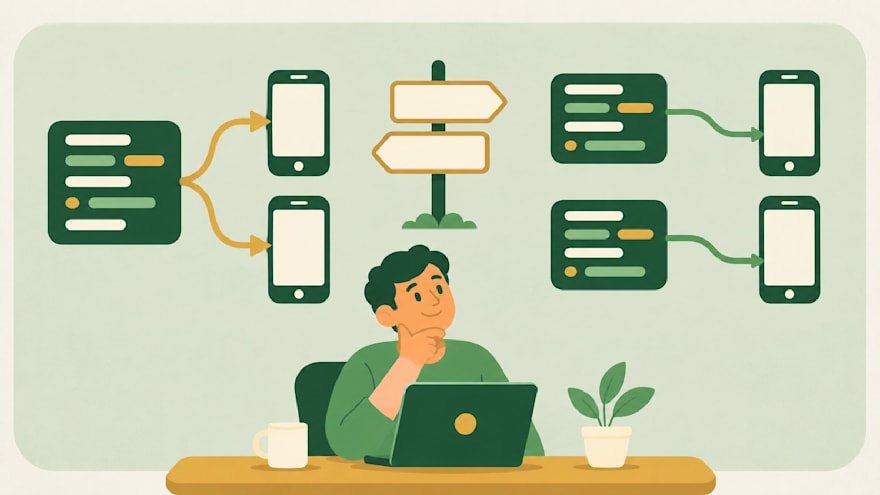
Cross-platform app development builds one app from a shared codebase that runs on both iOS and Android, while native development builds a separate app for each platform with its own language and tools. Cross-platform suits most business apps that need both platforms quickly; native suits apps that depend heavily on device hardware, platform-specific features or peak performance. Mobile app developers on Fiverr build in both approaches.
Neither approach is better in the abstract. The right choice depends on what the app does, how fast you need it on both platforms, and who will maintain it after launch.
At a glance: Cross-platform vs. native
- Cross-platform uses one codebase for iOS and Android; native uses a separate codebase for each.
- Heavy use of device hardware, advanced graphics or new platform features is the main reason to go native.
- Long-term maintenance, not the first build, is where the two approaches diverge most.
- On Fiverr, cross-platform builds account for about 84% of mobile app development projects.
- Fiverr gives businesses access to cross-platform and native developers, so the choice can follow the app rather than the team.
What is cross-platform app development?
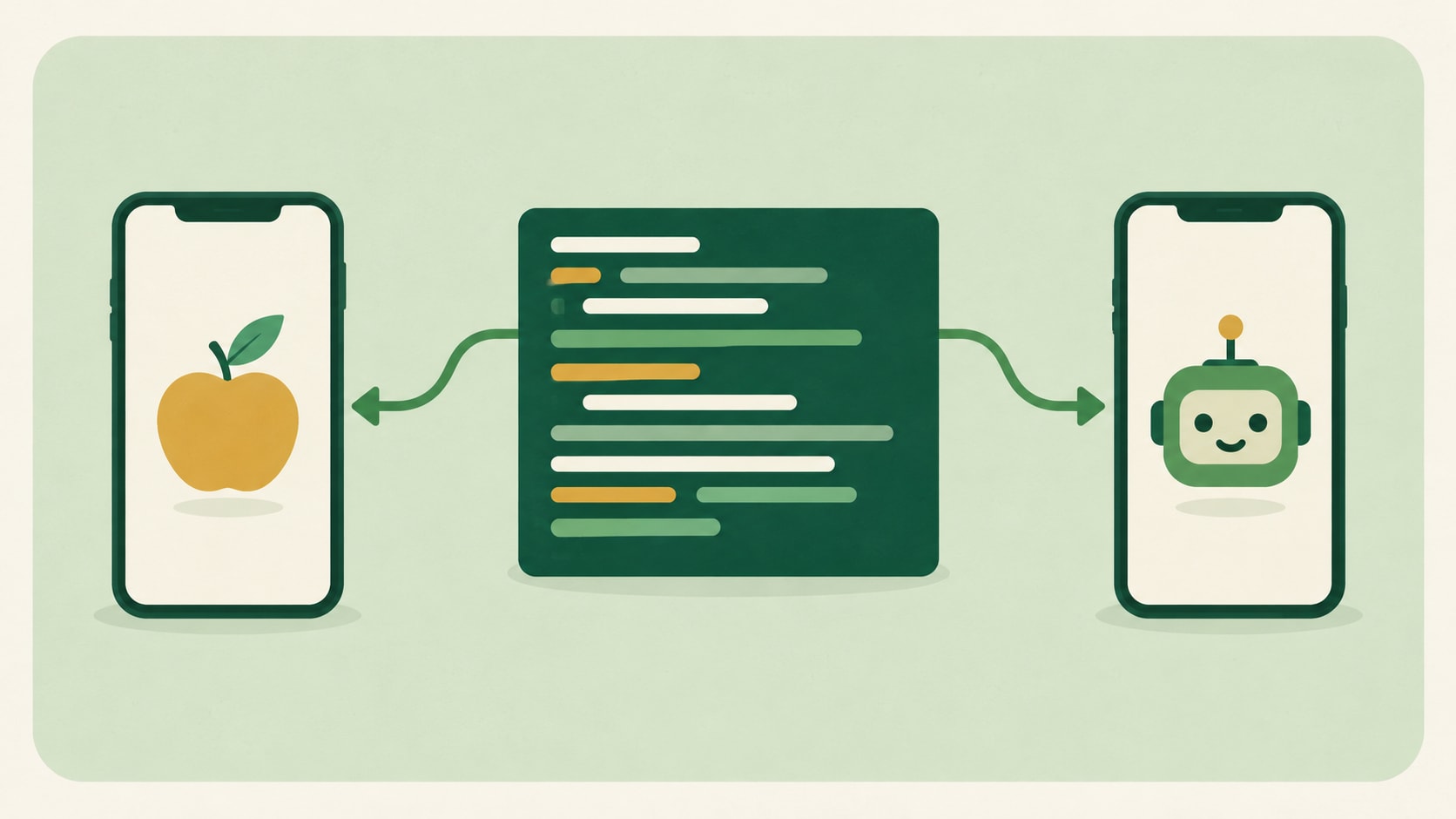
Cross-platform app development is an approach where developers write most of an app once and deploy it to both iOS and Android from that shared codebase. A framework translates the shared code into apps for each platform.
Common frameworks include Flutter, React Native and Kotlin Multiplatform. They differ in how they draw the interface and how much code is shared, but the principle is the same: one team, one main codebase, two app stores. Our guide to Flutter programming explains how one of these frameworks works in detail.
Shared code doesn’t mean zero platform-specific work. Features such as payments, notifications and some device sensors often need small native modules, so experienced cross-platform developers usually know both worlds.
What is native app development?
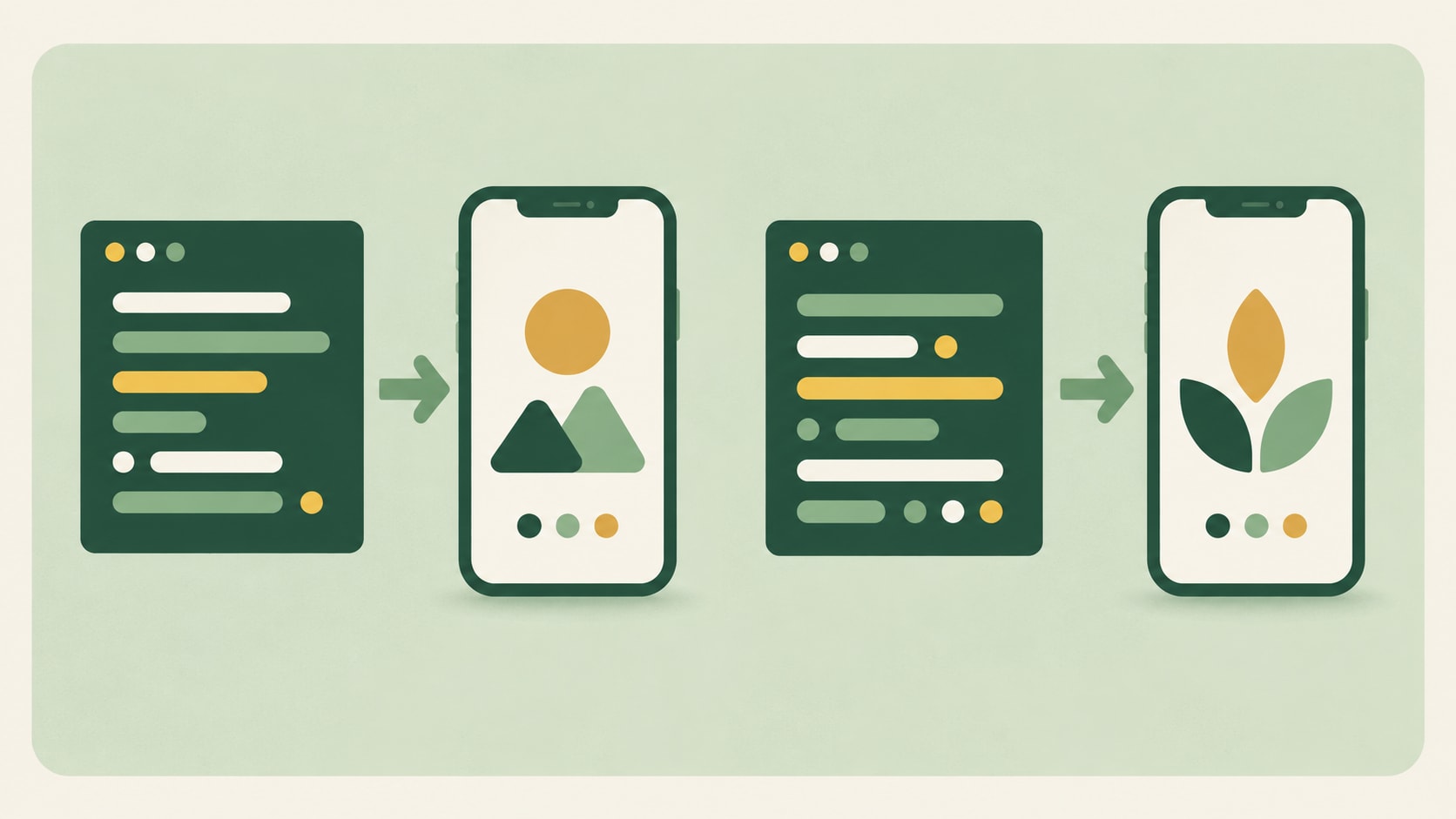
Native app development is an approach where each platform gets its own app, written in the language and tools that platform’s maker provides. iOS apps are typically built in Swift, and Android apps in Kotlin.
Native apps have direct access to every platform feature as soon as it ships, and they follow each platform’s design conventions by default. The cost is duplication: two codebases, often two teams, and every feature built and tested twice.
Native vs. cross-platform app development: Key differences

The core difference is one shared codebase versus two separate ones, and nearly every other trade-off follows from it. The table compares both approaches on the same dimensions.
Cross-platform and native compared at a glance
Cross-platform
Native
Codebase
One, shared
One per platform
Main languages
Dart, JavaScript, Kotlin
Swift, Kotlin
Performance
Strong for most apps
Highest ceiling
Device feature access
Via plugins or native modules
Direct and immediate
Look and feel
Close to native
Fully platform-standard
Time to both platforms
Shorter
Longer
Long-term maintenance
One codebase to update
Two codebases to update
Team needed
One cross-platform team
iOS and Android skills
What businesses build on Fiverr
Cross-platform is the default choice for most mobile projects on Fiverr. Cross-platform builds made up about 84% of mobile app development projects over the past 12 months, compared with about 12% for native iOS and Android combined, and the cross-platform share rose from about 81% the year before.
Project values and delivery times are close across the three approaches. These figures are based on completed Fiverr orders over the 12 months to October 10, 2026.
Mobile app project value and delivery on Fiverr
Median project value
Typical range
Median delivery
Cross-platform
$105
$55 to $453
5 days
Native iOS
$100
$53 to $275
3 days
Native Android
$115
$55 to $300
3 days
These are individual project values, not full app budgets. A complete app is often delivered across several projects, such as design, a first build and follow-on features. Our app developer cost guide covers pricing by app scope.
When to choose cross-platform
Cross-platform is usually the better fit when reaching both platforms efficiently matters more than squeezing out the last bit of performance.
Choose it when:
- You need the app on iOS and Android at the same time.
- The app is mostly screens, forms, content and standard features such as login, payments and notifications.
- One team, rather than two, will build and maintain it.
- You want to test a product idea quickly and iterate on both platforms together.
- Your feature roadmap is the same for both platforms.
When to choose native
Native is usually the better fit when the app depends on the device or the platform itself.
Choose it when:
- The app relies heavily on hardware, such as advanced camera work, Bluetooth devices, sensors or AR.
- Performance is the product, as in graphics-intensive games or real-time media.
- You need new platform features the day they ship.
- You only need one platform for the foreseeable future.
- Your iOS and Android audiences need meaningfully different experiences.
Long-term maintenance: Where the two approaches diverge
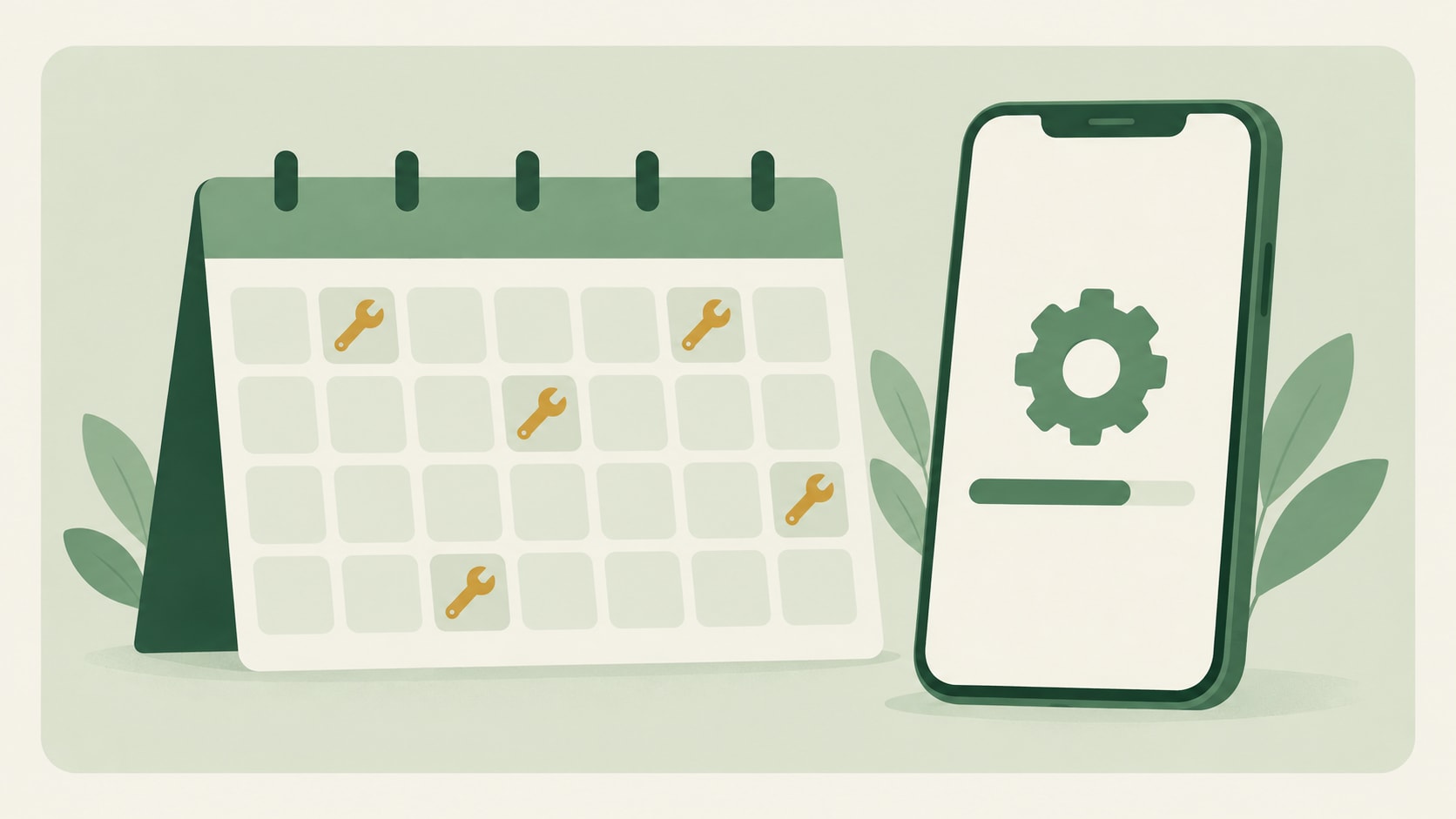
The first release is only the start. Apple and Google release major OS updates every year, app store requirements change, and libraries need upgrading, so every app needs ongoing work.
With native development, each update happens twice, once per codebase. With cross-platform development, most changes happen once, but the team also has to keep the framework and its plugins current, and occasionally wait for them to support a new platform feature.
Ongoing work is common in both approaches. On Fiverr, 33.9% of cross-platform projects led to another project with the same developer within 90 days, compared with 30.5% for native projects. That follow-on work tends to be larger than the first project: the median cross-platform follow-on project was $300, with most between $100 and $879.
The practical takeaway is to budget for life after launch from the start, and to keep the developer who built the app involved where possible.
Do you need both native iOS and Android apps?
Usually not at the start. Building two native apps from day one doubles the work, and few businesses do it: on Fiverr, only about 3.5% of clients commissioning native apps ordered both iOS and Android builds within 90 days.
If you need both platforms, cross-platform is the faster route to an app on each. If you’re confident only one platform matters, a single native app is a focused alternative, and you can add the second platform later, natively or with a cross-platform rebuild.
How to decide in five questions
Most native vs. cross-platform app development decisions come down to five questions. Answer them in order; the first “yes” to a native-leaning question is usually decisive.
- Does the app depend on advanced hardware or graphics? If yes, lean native.
- Do you need new iOS or Android features on release day? If yes, lean native.
- Do you need both platforms within the same launch window? If yes, lean cross-platform.
- Will one team maintain the app long term? If yes, lean cross-platform.
- Is this a first version to test demand? If yes, lean cross-platform.
If the answers are split, ask two or three developers to propose an approach for your feature list. Their reasoning will tell you as much as their quote.
Build your mobile app with Fiverr
Fiverr connects businesses with mobile app developers who work in cross-platform frameworks and native iOS and Android. You can compare portfolios, ask several developers how they would approach your app, and agree on scope before any work begins.
Flexible hiring models let you start with a prototype or a single platform and extend the engagement as the app grows, keeping the same developer involved for updates and new features.
Hire a mobile app developer on Fiverr
Build for iOS and Android with the right developer.

FAQs
For an app on both platforms, cross-platform usually costs less overall, because most of the work is done once instead of twice. For a single platform, the difference is small; on Fiverr, median project values for cross-platform, iOS and Android are close. The bigger savings show up over time, in maintaining one codebase instead of two.
Related Guides


About the author
Dor AlkalayDirector of Technology, AI Innovation
Director of Technology, AI Innovation at Fiverr, where he leads Fiverr Labs. He specializes in building and scaling AI-powered products end to end, from early experimentation to production at scale. Dor combines hands-on technical leadership with extensive experience in building, hiring, and mentoring engineering teams.
