 August 3, 2026
 9 minute reading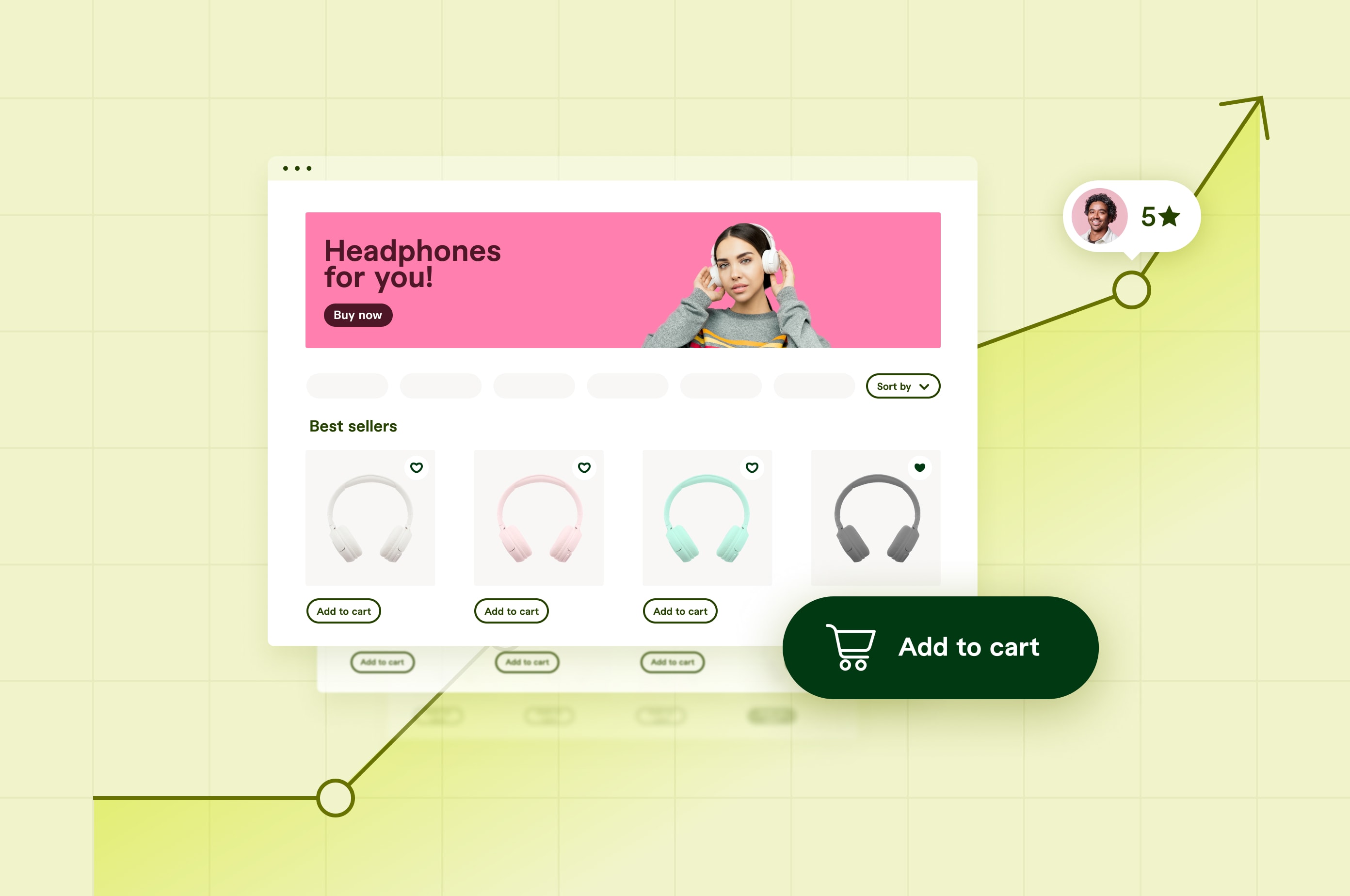
Shopping isn’t confined to physical stores anymore. You don’t need a brick-and-mortar shop to build a successful brand.
Seventy percent of Americans conduct their shopping online. Having a digital presence is a must for brands looking to grow their business and brand.
What is an ecommerce brand?
Ecommerce brands stand out from their competitors by creating a unique identity for themselves and effectively communicating it to their customers. Consumers shape the perception of your brand through their conversations about your business. When executed properly, a strong ecommerce brand builds trust and fosters strong relationships with its consumer base.
An ecommerce brand extends beyond a stand-out logo and catchy tagline. There are four attributes that all good brands focus on:
- Voice. Set the appropriate tone you want customers to perceive you with. While some businesses go for a professional corporate approach, others are more interested in having a voice that’s casual and personable. Consider how you want consumers to describe your brand, and ensure all of your communications contribute to that desired perception.
- Visuals. Both voice and visuals have equal chances of swaying a consumer. It’s crucial that imagery and tone match so your brand has a consistent, clearly defined message.
- Value. Value goes way beyond price—it takes into account consumer pain points and promises to address them with a product that delivers true market value. To stay ahead of the competition, research and explore ways to sell something of greater value than what’s already available.
- Vision. Consider the long-term, overall impact you’d like your brand to have. This may go back to your business’s origins—why you started the company in the first place, dollars aside. If you can’t define your vision, consumers won’t be able to either, so it’s an essential starting point.
9 steps to building a successful ecommerce brand
Rome wasn’t built in a day, and successful ecommerce brands don’t pop up overnight. Follow these steps to start an online business and work from home.
Build your Ecommerce website

1. Conduct market research to identify profitable product ideas and trends
2. Develop relationships with suppliers
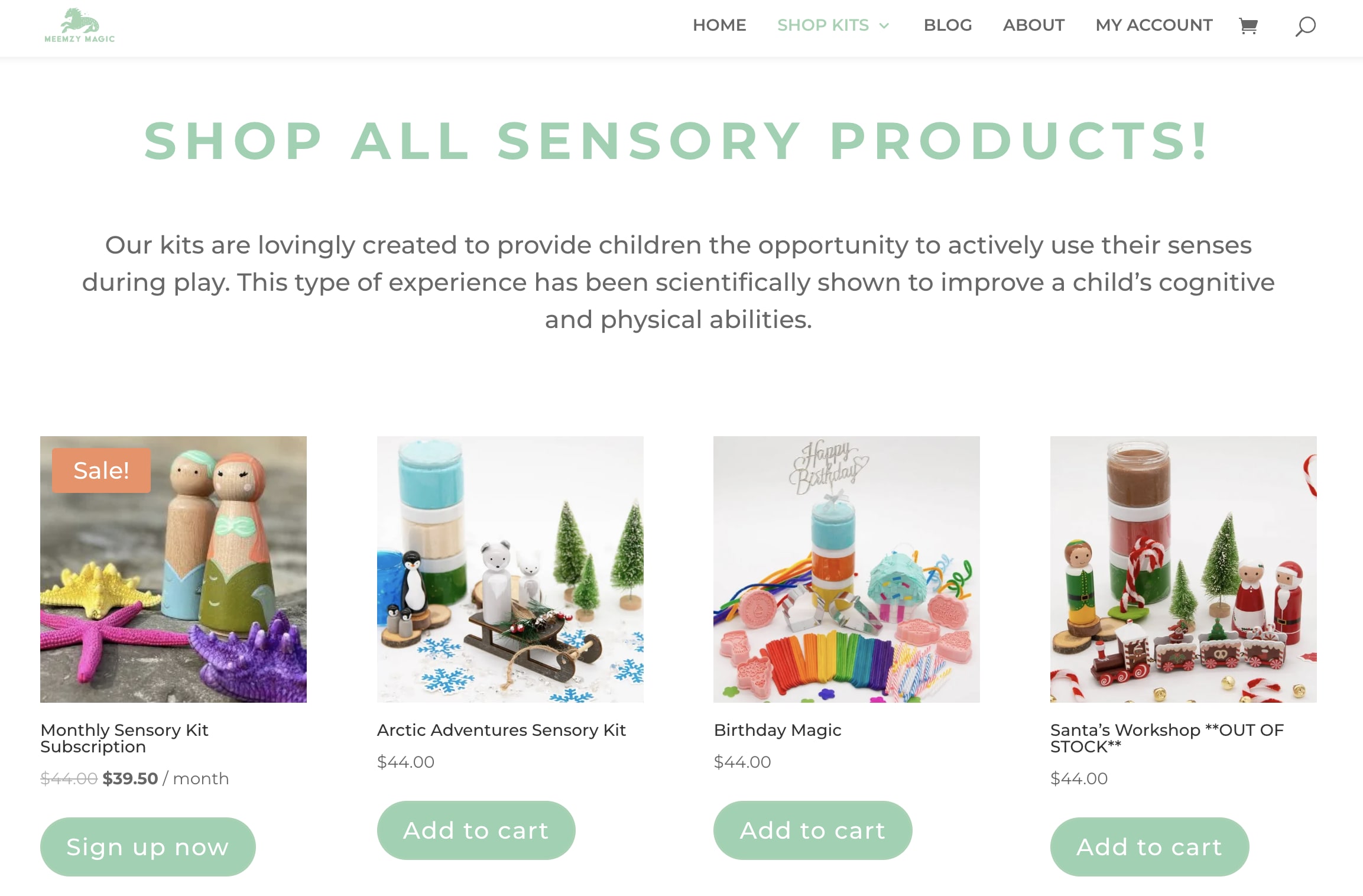
3. Brand development
- Logo. This is the face of your brand, the one image that should make consumers immediately think of your business. Strive to make your logo memorable and representative of your business. You can use Fiverr Logo Maker to create a logo for your Ecommerce brand.
- Typography. Different fonts evoke different emotions—from playful and casual to serious and professional. Consider which one best embodies your voice.
- Color. Consumers are more likely to remember your brand’s color over its name. Construct a color palette that fits in with your brand’s overall vision.

4. Create and manage an online store
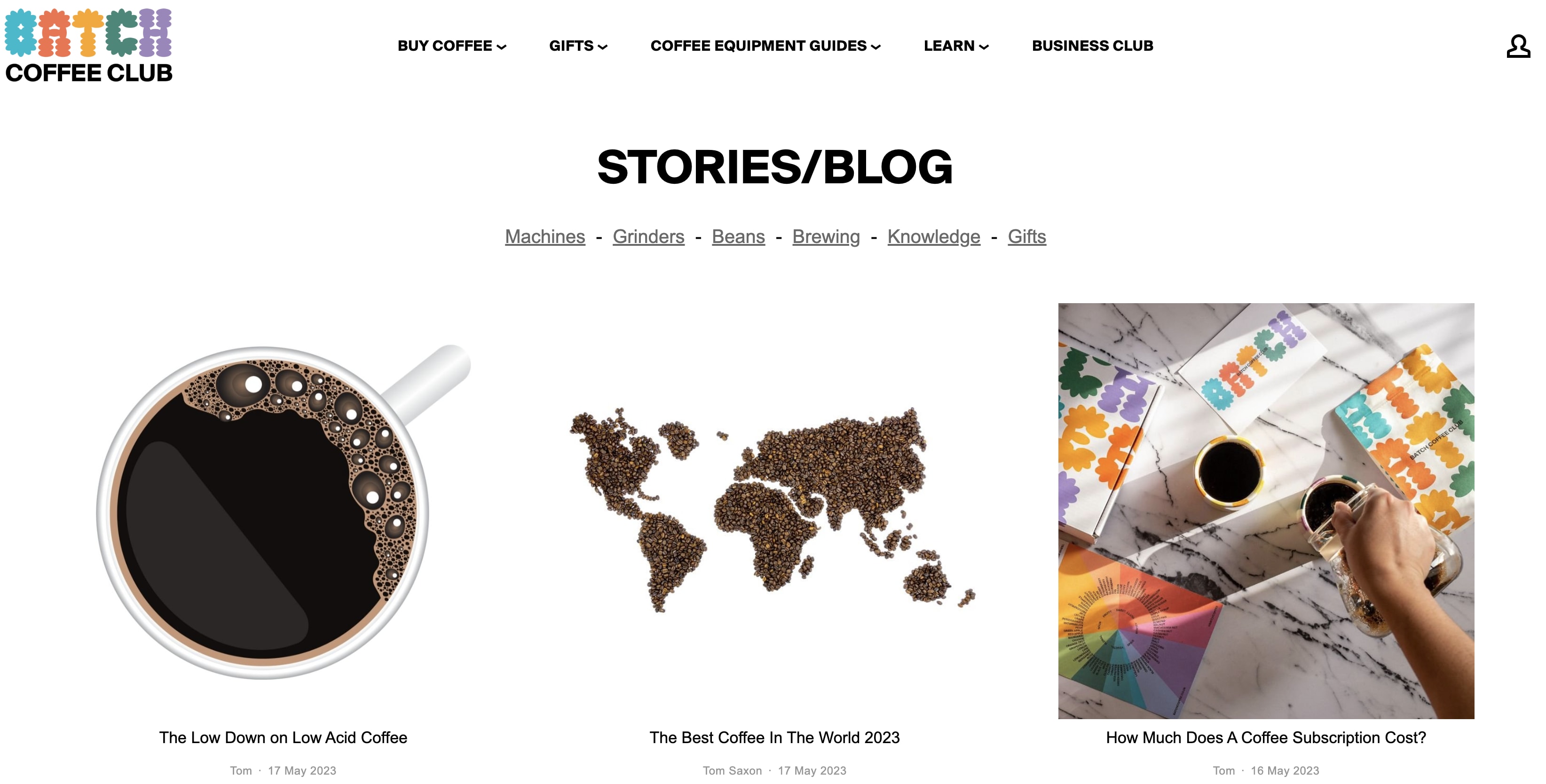
5. Develop and execute marketing campaigns
- Email. Email marketing is one of the most effective ways to promote your products. You can use this channel to send customers updates and new drops, and reward their loyalty with coupons or discount codes.
- Social media. There are nearly five billion users on social media.Take some inspiration from these social media campaign examples and ensure you’re up to date on the latest social media trends.
- Advertising. Invest in advertisements wherever your target audience spends most of their time. It’s one of the oldest marketing tactics in the book. On social media alone, more than $173 billion was spent on ads in 2022.
6. Monitor and manage inventory
7. Track finances
8. Provide exceptional customer service
- Responding to inquiries in a timely manner. Hubspot found that customers expect their questions to be answered in less than 10 minutes when live chat is available. Fast response times help position your brand as consumer-friendly.
- Handling complaints. Look at complaints as room for improvement and respond accordingly—don’t ignore them. Brands that aren’t afraid to acknowledge their wrongdoings and try to fix them stand out among competitors who only focus on the positives.
- Managing returns. It’s normal for customers to return items. When the process isn’t streamlined, you risk diminishing customer happiness if it’s a hassle to return your product.
9. Continuously evaluate and optimize the business model

How to use content to grow an ecommerce brand
Educational content

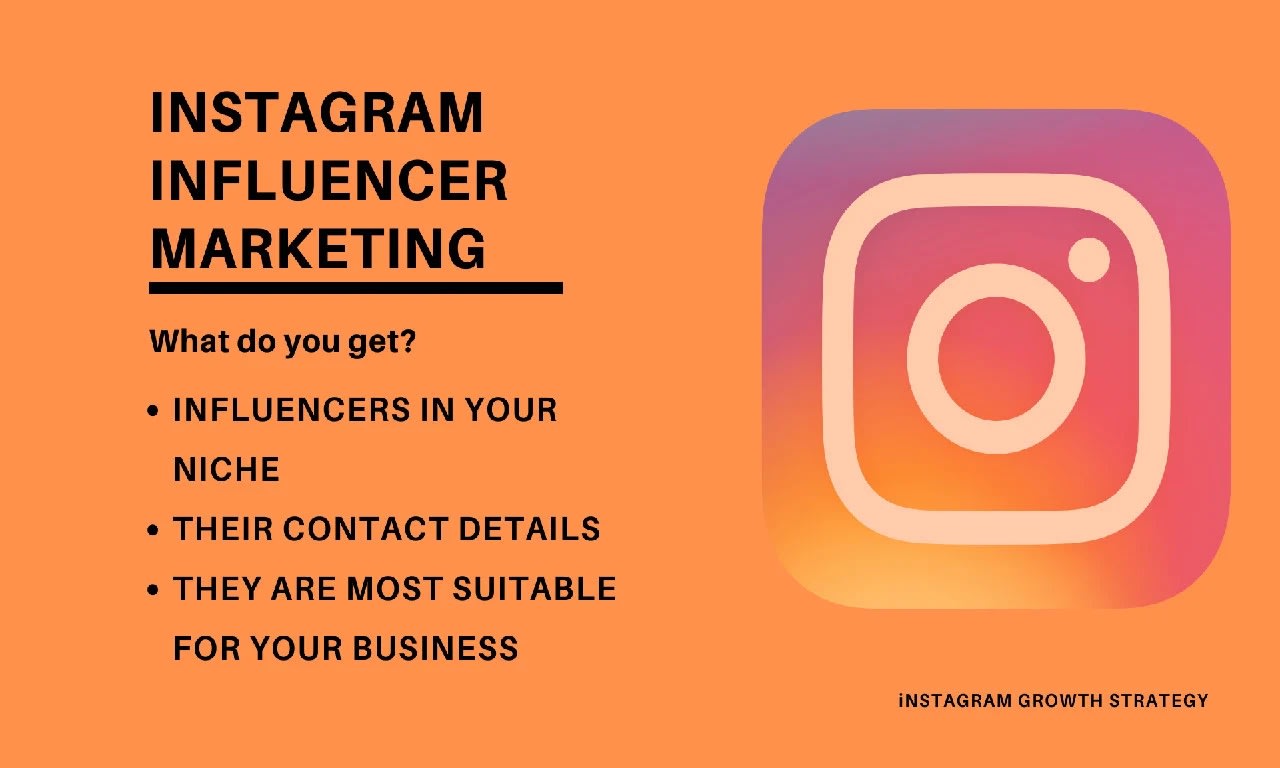
Influencer marketing
User-generated content

Scale your ecommerce brand with freelancers

Related Guides


About Author
Michelle Newblom
Michelle Newblom is a B2B SaaS writer with a knack for creative storytelling, which she artfully applies to all of her content. Her expertise lies in creating compelling copy for blogs and guides, which help businesses generate conversions and attain their goals.
