 August 3, 2026
 9 minute reading
Three-dimensional visualization has become essential for businesses across industries in 2026, from e-commerce brands showcasing products through photorealistic renders to game developers bringing characters to life. As augmented reality, virtual showrooms, and immersive digital experiences continue reshaping customer engagement, companies of all sizes now rely on skilled 3D artists to create compelling visual content that stands out in crowded markets. Whether you need architectural visualizations, product animations, or character models, finding the right talent at the right price point has never been more critical.
Understanding what you'll pay for 3D artist services starts with recognizing the diverse scope of this field. Based on current Fiverr marketplace data, costs vary significantly based on project type, technical complexity, and deliverable requirements. Pricing factors include modeling complexity, animation needs, rendering quality, turnaround time, and the artist's specialized expertise. This guide breaks down typical costs across different service types, explains what drives pricing variations, and helps you determine which investment level matches your project goals.
Average 3D Artist Costs
Based on Fiverr's recent marketplace data, 3D artist services show considerable pricing variation depending on the specific deliverable type and technical requirements. The platform reveals fixed-price offerings that span from highly accessible entry points to comprehensive project packages, while hourly rates provide flexibility for ongoing or evolving creative needs.
For character modeling projects, fixed prices typically start around $102.50 for basic 3D modeling and rendering work, with specialized character modeling services averaging $106.17. These projects generally include base mesh creation, topology optimization, and basic texturing suitable for game assets or animation preparation.
Product-focused 3D work demonstrates varied pricing structures. Standard 3D product animation services average $253.46 for fixed-price packages, while more elaborate 3D animated explainer content reaches $1,260.29, reflecting the additional storyboarding, scene composition, and motion design expertise required. Basic 3D modeling and rendering for product visualization starts at approximately $250, with industrial and product design rendering averaging $118.74.
Specialized applications command distinct price points. Building Information Modeling projects with 3D modeling components average $657.87, accounting for technical precision and industry-specific software requirements. Fashion-related 3D garment design typically costs around $105.86, while jewelry design with 3D modeling and rendering averages $64.97. Architecture and interior design visualization services average $178.97, and landscape design rendering typically costs $162.34.
Hourly rate structures offer alternative pricing models. For 3D modeling and rendering work across various categories, hourly rates range from $47 to $80, with an average of $556 for project-based calculations. Fashion 3D garment design shows hourly rates between $38 and $44, averaging $148. These hourly options provide flexibility for iterative projects, client revisions, or ongoing creative partnerships where scope may evolve during development.
Which pricing model is best for you?
Fixed-price packages work best when project scope is clearly defined upfront, including specific deliverables like a single product render, a character model with predetermined polygon count, or a short animation with established length and complexity. This model provides budget certainty and clear expectations, making it ideal for one-time projects, marketing assets with firm deadlines, or situations where you can provide detailed creative briefs and reference materials before work begins.
Hourly pricing suits projects requiring iterative development, client feedback rounds, or evolving creative direction. Choose this model when exploring conceptual approaches, developing multiple design variations, or working on complex scenes where technical challenges may emerge during production. Hourly arrangements benefit ongoing relationships, projects with potential scope expansion, or situations where you value creative collaboration and want flexibility to refine direction as the work progresses.

Factors That Influence 3D Artist Pricing
Model Complexity and Polygon Count
Basic 3D models with simple geometric forms and low polygon counts (under 10,000 polygons) suitable for mobile games or web applications typically fall in the $20 to $100 range and can be delivered within 2 to 4 days. Mid-complexity models featuring organic shapes, moderate detail levels, and polygon counts between 10,000 and 50,000 polygons generally cost $100 to $300 and require 5 to 7 days for completion. High-detail models exceeding 50,000 polygons with intricate surface details, complex topology for animation deformation, and production-ready edge flow command $300 to $800 and may need 10 to 14 days, with costs increasing substantially when models require subdivision surface workflows or photorealistic close-up rendering quality.
Texturing and Material Complexity
Simple color blocking or basic UV mapping with solid colors adds minimal cost, typically $15 to $40 beyond base modeling fees, with 1 to 2 day turnaround times. Standard PBR (physically based rendering) texturing with diffuse, roughness, and normal maps generally adds $50 to $150 and requires 2 to 4 additional days. Advanced material work including subsurface scattering for organic materials, procedural texture networks, displacement mapping, and multi-layer shader setups can add $150 to $400 to project costs and extend timelines by 5 to 7 days, particularly when matching specific real-world material references or creating hero assets for marketing campaigns.
Animation Requirements
Static renders require no animation work, keeping costs focused solely on modeling and texturing. Simple animations like 360-degree product rotations or basic mechanical movements typically add $80 to $200 and extend delivery by 3 to 5 days. Complex character animation with rigging, weight painting, and performance animation increases costs by $200 to $600 and adds 7 to 14 days to project timelines. Full scene animations with camera movement, environmental elements, and multiple animated objects can double or triple base modeling costs, with production timelines extending to 14 to 21 days depending on final video length and technical complexity, especially when requiring secondary motion, cloth simulation, or particle effects.
Rendering Quality and Output Format
Preview-quality renders suitable for concept approval or draft review typically incur minimal additional costs beyond modeling work, with quick turnaround times of 1 to 2 days. Standard resolution final renders (1080p) with moderate lighting setups and basic environment elements generally add $30 to $100 to project costs. High-resolution production renders (4K or higher) with advanced lighting rigs, global illumination, ray-traced reflections, and photorealistic environmental integration can add $150 to $400 and require 3 to 6 additional days for render processing and compositing, with costs increasing when multiple camera angles, lighting scenarios, or material variations are required for marketing asset libraries.
Industry Specialization
Generalist 3D artists working across multiple application areas typically offer the most accessible pricing tiers. Artists specializing in specific industries such as medical visualization, architectural rendering, or technical product documentation command premium rates of 30 to 50 percent above general rates due to specialized knowledge requirements. Highly technical specializations like CAD-to-3D conversion, engineering visualization, or scientific accuracy modeling can increase costs by 50 to 100 percent above baseline rates, reflecting the additional expertise, software proficiency, and quality assurance processes required to meet industry-specific standards and regulatory compliance needs.
Cost Breakdown by Project Type
Understanding how different 3D project categories align with specific budget ranges helps match your needs with appropriate investment levels. Each category reflects distinct technical requirements and typical deliverable expectations.
Basic Product Visualization
- Simple product models with clean geometry and basic materials, suitable for e-commerce listings or catalog imagery
- Typical price range: $20 to $120
- Best for startups testing visual content strategies, small online retailers, or businesses needing straightforward product representations without complex staging
Character and Organic Modeling
- Stylized or realistic character models including base mesh, UV mapping, and texturing, prepared for animation pipelines or static presentation
- Typical price range: $100 to $350
- Best for game developers, animation studios, or marketing teams creating branded mascots and character-driven content
Architectural and Interior Visualization
- Detailed environment models with accurate spatial relationships, material realism, and atmospheric lighting for client presentations or marketing materials
- Typical price range: $160 to $400
- Best for architects, real estate developers, interior designers, or construction firms needing pre-visualization for stakeholder approvals
Product Animation and Explainers
- Animated sequences showcasing product features, assembly processes, or functional demonstrations with camera movement and professional pacing
- Typical price range: $250 to $600
- Best for product launches, crowdfunding campaigns, sales presentations, or instructional content requiring clear visual communication of complex mechanisms
Technical and Industrial Modeling
- Precision models based on engineering specifications, CAD data, or technical drawings, including accurate dimensions and material specifications
- Typical price range: $400 to $850
- Best for manufacturers, engineering firms, patent applications, or technical documentation requiring measurable accuracy and industry-standard tolerances
Premium Animation and Cinematic Content
- Comprehensive animated sequences with advanced effects, detailed environments, character performance, and post-production polish suitable for broadcast or high-end marketing
- Typical price range: $800 to $1,500
- Best for established brands, film production, advertising agencies, or companies investing in flagship visual content that demands exceptional quality and creative direction
Related Services and Their Costs








Top Rated
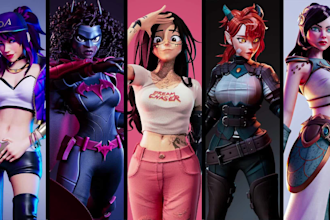
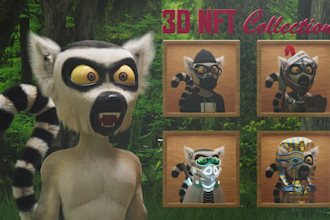
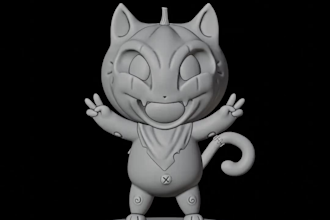
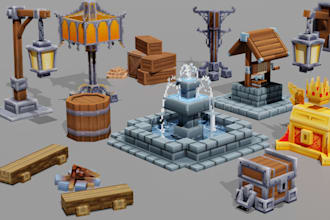
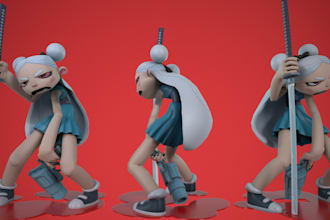
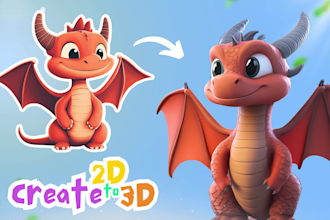
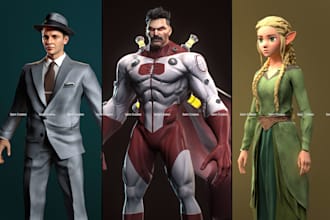
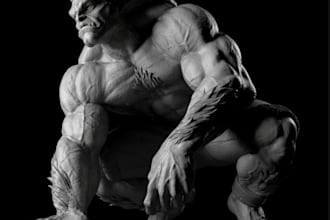
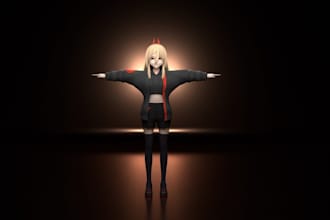
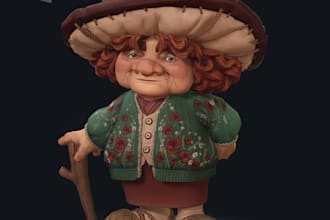
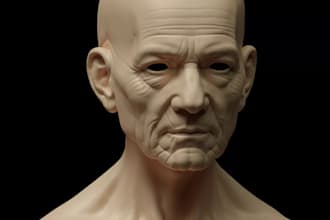
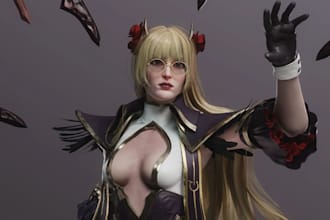
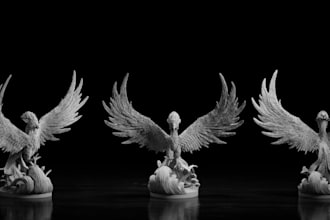
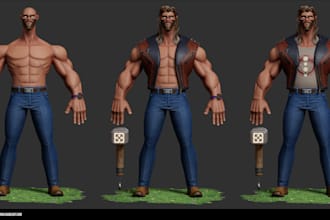
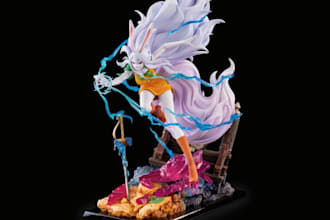
I will design 3d cute cartoon character modeling for 3d nft art, game, animation
Offers video consultations













Level 2
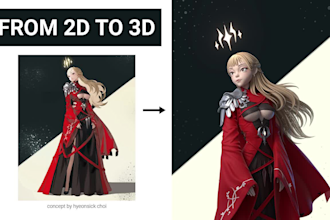
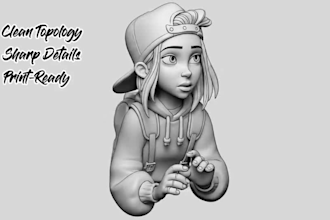
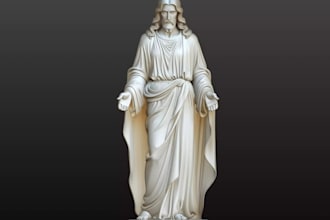
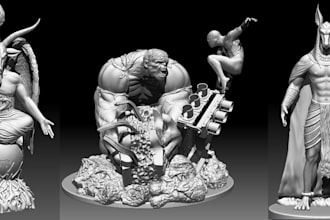
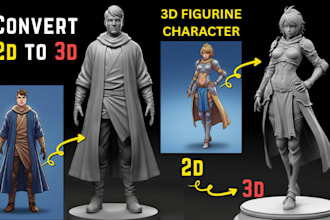
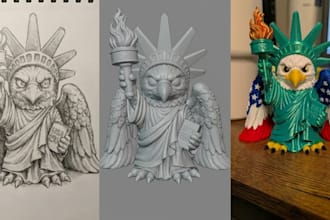
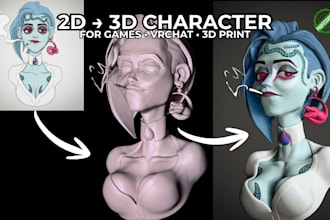
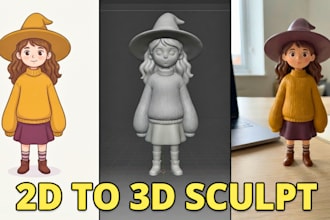
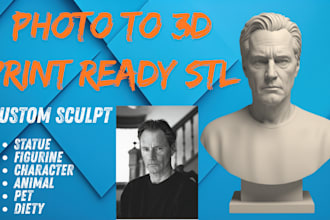
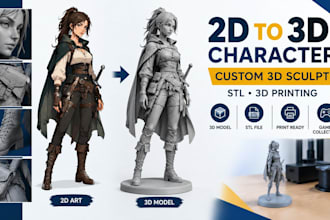
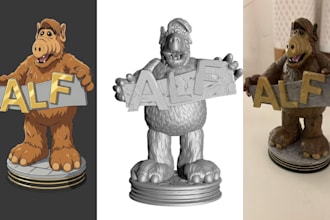
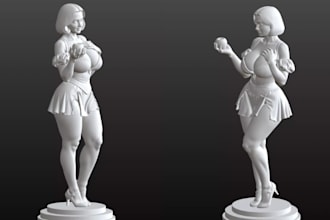
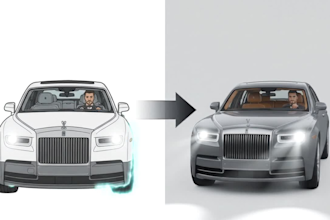
I will convert your 2d art to 3d model for printing or game
Offers video consultations




























3D Rigging
Rigging creates the skeletal structure and control systems that allow 3D models to move and deform realistically. This technical service becomes necessary when static models need to be animated, whether for character performances, mechanical movements, or organic deformations. Professional 3D rigging services typically add $80 to $300 to project costs depending on character complexity, joint count, and control sophistication. The investment proves worthwhile when planning multiple animations using the same asset, as a properly rigged model can be reused across numerous sequences without additional setup costs, ultimately reducing per-animation expenses for ongoing content production.
3D Garment Design and Fashion Visualization
Specialized 3D garment creation uses cloth simulation and pattern-based modeling to visualize fashion designs before physical production. Fashion brands, apparel manufacturers, and textile companies increasingly rely on this service to reduce sample production costs and accelerate design iteration cycles. Pricing for 3D garment visualization typically ranges from $105 to $250 depending on fabric complexity, pattern intricacy, and rendering requirements. This service often pairs with character modeling when creating lookbook imagery or runway presentations, with combined services offering efficiency advantages over separate commissioning of models and clothing elements.
Jewelry 3D Modeling and Rendering
Precision jewelry modeling requires specialized attention to gemstone faceting, metal finishes, and microscopic detail levels that distinguish fine jewelry visualization from general product rendering. This niche addresses specific needs of jewelers, luxury brands, and custom design studios who require accurate representations for client approvals, online catalogs, or manufacturing specifications. Services in this category typically cost between $65 and $180, with pricing influenced by stone count, setting complexity, and whether models need to meet manufacturing tolerances for 3D printing or CNC milling. When combined with product animation showing jewelry from multiple angles with dynamic lighting, total project costs may reach $300 to $500 but deliver comprehensive marketing assets.
3D Product Animation
Beyond static rendering, product animation services bring objects to life through motion, revealing functionality, assembly sequences, or usage contexts that static images cannot convey. This service category spans simple turntable animations to complex explainer sequences with multiple products, environmental context, and narrative structure. Pricing varies from $250 for basic rotation animations to $1,260 for comprehensive animated explainers with scripting, storyboarding, and professional post-production. Companies planning both static renders and animations often achieve cost efficiencies by commissioning both from the same artist, as the base model, textures, and scene setup serve both deliverables.
Animated Character Modeling
When character needs extend beyond static presentation to include movement and performance, animated character modeling combines sculptural expertise with technical rigging knowledge. This integrated service addresses entertainment, advertising, and educational content needs where characters must convey emotion, perform actions, or interact with environments. Comprehensive character packages including modeling, texturing, rigging, and sample animation typically range from $350 to $800, with significant time savings compared to separately commissioning each technical phase through different specialists. The unified workflow also reduces compatibility issues between modeling and animation stages that can emerge when technical handoffs occur between multiple artists.
Ongoing Costs and Hidden Expenses
Beyond initial project delivery, certain 3D asset applications generate additional financial considerations that affect total cost of ownership. Understanding these potential expenses helps budget accurately for complete project lifecycles rather than just creation phases.
- Model revisions and updates: Future product changes, design iterations, or marketing campaign variations may require revisiting original 3D assets, typically costing 30 to 50 percent of original modeling fees depending on modification scope
- File format conversions: Different software platforms, game engines, or rendering systems may require asset conversion or optimization, adding $25 to $100 per model when technical specifications change
- Rendering compute costs: Complex high-resolution renders or animations may incur cloud rendering fees or extended artist rendering time, potentially adding $50 to $200 for computationally intensive outputs
- Licensed asset integration: Projects requiring specific branded materials, HDR environment maps, or premium texture libraries may involve licensing fees ranging from $15 to $150 depending on commercial usage terms
- Animation extensions: Initial animation packages often cover specific durations, with additional seconds or scene variations adding incremental costs of $30 to $80 per additional second of finished animation
- Commercial usage rights: Some pricing structures differentiate between personal and commercial licensing, with commercial rights potentially adding 20 to 40 percent to base project costs
Frequently Asked Questions
How much does 3D artist work cost on Fiverr?
Fiverr 3D artist pricing spans from $15 for simple illustration-style 3D renders to $1,260 for comprehensive animated explainer packages. Entry-level services around $40 to $100 typically cover basic product modeling or simple character work suitable for smaller applications, while mid-range offerings between $100 and $300 provide detailed modeling with professional texturing and lighting. Premium packages exceeding $400 generally include animation, complex scene composition, or specialized technical requirements. Related services like rigging, garment simulation, or architectural visualization are often available as package add-ons or separate complementary services. The marketplace structure allows scaling investment based on specific project requirements rather than committing to standardized tier structures.
What are typical hourly rates for 3D artists?
Based on marketplace data, 3D artist hourly rates range from $7 to $80, with an average project rate calculation around $556 for comprehensive modeling and rendering work. Lower hourly rates around $7 to $15 typically apply to artists building portfolios or working in regions with lower cost structures, while rates between $25 and $50 reflect experienced generalists with strong technical foundations. Specialized hourly rates exceeding $50 appear in technical domains like architectural visualization, medical modeling, or engineering applications requiring industry-specific expertise. Hourly pricing proves most practical for projects with evolving scope, iterative creative development, or ongoing content needs where fixed-price packages lack the flexibility required for collaborative refinement across multiple feedback cycles.
What is typically included in a basic 3D modeling package?
Basic 3D modeling packages generally include a single object or character model with clean topology, proper UV unwrapping, and standard PBR texturing using diffuse, normal, and roughness maps. Most packages provide final deliverables in common formats like OBJ, FBX, or blend files, along with 2 to 3 preview renders from standard angles showing the completed asset. Entry packages usually accommodate one to two revision rounds for adjustments to proportions, details, or materials based on initial client feedback. Upgrades commonly offered include additional texture resolution, extra file formats, source files with editable layer structures, commercial licensing extensions, or simple rigging for basic animation capability. More elaborate additions like animation, complex scene staging, or multiple lighting scenarios typically require moving to mid-tier or custom packages that account for the additional technical time and creative complexity involved.

Related Guides


About the author
Yael GiladDirector of Brand & Marketing Design
Yael Gilad is the Director of Brand and Marketing Design at Fiverr, based in Tel Aviv. With over a decade of experience, she specializes in bridging the gap between creative strategy and performance-driven design. Yael is passionate about creating visual experiences that not only communicate clearly with their audience but drive meaningful engagement.
