 August 3, 2026
 10 minute reading
Customer Relationship Management systems have become the backbone of modern business operations in 2026, transforming how companies interact with clients, manage sales pipelines, and analyze customer data. Organizations of all sizes are investing in custom CRM solutions to stay competitive, automate workflows, and deliver personalized customer experiences. Whether you need a CRM developer to customize an existing platform like Salesforce or build a bespoke system from scratch, the demand for specialized talent has never been higher as businesses recognize that off-the-shelf solutions rarely meet unique operational requirements.
Understanding what drives CRM development costs helps you budget effectively and make informed hiring decisions. Pricing varies significantly based on project complexity, integration requirements, developer experience, and whether you choose hourly or fixed-rate engagements. This guide examines current marketplace rates, breaks down cost factors by project scope and technical requirements, explores pricing models, and reveals hidden expenses that can impact your total investment in CRM development.
Average CRM Developer Costs
Based on Fiverr marketplace data from 2026, CRM development services show considerable variation in pricing structures depending on specialization and project type. For core CRM and ERP development work, hourly rates typically range from $25 to $45, with fixed project pricing spanning from $150 to $306.74. These figures represent professionals working on platform customization, module development, and CRM implementation projects.
More specialized CRM development services command different rates based on technical complexity. AI chatbot integration for CRM systems shows hourly rates between $47 and $270, with fixed prices averaging $216.36 to $300. API and integration work, which often accompanies CRM projects, ranges from $10 to $315 hourly with fixed pricing around $70 to $198.79. Database development and optimization, essential for CRM functionality, typically costs $40 to $75 per hour with fixed project rates between $133.54 and $155.43.
CRM management services, which focus on configuration and ongoing administration rather than custom development, generally fall between $47 and $150 per hour with fixed packages averaging $116.67 to $134. Software automation and agent development for CRM workflows shows hourly rates from $48 to $333, with fixed pricing around $152.15. AI integration work for CRM platforms commands $10 to $80 per hour with average fixed project costs near $297.72.
The broad range in pricing reflects the diversity of CRM development work. Entry-level developers handling basic customizations or simple integrations occupy the lower end of the spectrum, while senior developers building complex custom CRM systems, implementing advanced AI features, or working with enterprise-grade platforms command premium rates. Geographic location, platform expertise (Salesforce, HubSpot, Microsoft Dynamics, Zoho, or custom solutions), and proven track records with similar implementations also significantly influence pricing.
Which Pricing Model Is Best for You?
Hourly pricing works best when project scope remains uncertain, requirements may evolve, or you need ongoing development support. This model provides flexibility for exploratory work, iterative development cycles, and situations where you want to start with a minimum viable product and expand based on user feedback. Hourly arrangements suit businesses that prefer collaborative development processes where specifications might change as stakeholders test features.
Fixed-price packages make sense for well-defined projects with clear deliverables, specific integration requirements, or standard implementations. When you know exactly what features you need, how many users will access the system, and which third-party tools require integration, fixed pricing provides budget certainty. This model works particularly well for platform migrations, specific module development, or template-based CRM customizations where scope can be precisely determined upfront.
What Influences CRM Development Pricing
Platform and Technology Stack
The CRM platform you select dramatically impacts development costs. Salesforce customization typically commands $50 to $150 per hour due to the platform's complexity and the specialized certification requirements for developers. Projects involving Salesforce AppExchange apps, Lightning components, or Apex coding generally require 40 to 120 hours for moderate complexity implementations, translating to $2,000 to $18,000 for complete solutions. Microsoft Dynamics 365 development falls in a similar range, with developers charging $45 to $140 per hour for customizations that typically span 30 to 100 hours depending on module complexity.
Open-source platforms like SuiteCRM or Odoo generally cost less, with development rates between $25 and $80 per hour, though projects may require longer timeframes as developers build more functionality from scratch. A basic Odoo CRM implementation with custom modules might require 60 to 150 hours, costing $1,500 to $12,000. Custom-built CRM systems using frameworks like Django, Node.js, or Laravel typically involve $35 to $100 per hour with project timelines extending 200 to 500 hours for full-featured systems, resulting in total costs between $7,000 and $50,000 depending on complexity.
Integration Requirements and API Complexity
Simple integrations connecting your CRM to email marketing platforms, calendar systems, or payment processors generally require 8 to 20 hours of development work, costing $300 to $3,000 depending on API documentation quality and authentication complexity. Mid-level integrations involving ERP systems, accounting software, or e-commerce platforms typically demand 25 to 60 hours, translating to $1,000 to $9,000 as developers handle data mapping, synchronization logic, and error handling.
Complex multi-system integrations incorporating legacy databases, custom APIs, real-time data synchronization, or bidirectional workflows can extend 80 to 200 hours, with costs reaching $3,500 to $30,000. Projects requiring custom middleware development, webhook systems, or event-driven architectures add substantial time and expense. When integrations involve systems with poor documentation or require reverse engineering existing workflows, development time can increase by 30 to 50 percent beyond initial estimates.
Customization Depth and Feature Complexity
Basic customizations including custom fields, modified layouts, simple workflows, and standard report creation typically require 10 to 30 hours, costing $400 to $4,000. These projects focus on configuring existing platform capabilities without extensive coding. Intermediate customization involving custom modules, automated workflows with complex conditions, role-based permissions, and custom dashboards generally span 40 to 100 hours, with costs between $2,000 and $15,000.
Advanced feature development including AI-powered lead scoring, predictive analytics, custom mobile applications, advanced reporting engines, or multi-tenant architectures can require 150 to 400 hours of development time. These comprehensive projects typically cost $7,500 to $60,000 or more. Features involving machine learning models, natural language processing for customer interaction analysis, or sophisticated automation workflows add considerable complexity. Each AI feature might add 30 to 80 hours of development and testing time beyond core CRM functionality.
Data Migration and Legacy System Handling
Migrating data from spreadsheets or simple databases with clean, structured data typically requires 15 to 40 hours including data cleaning, mapping, and validation, costing $600 to $6,000. Moving from another CRM platform with complex relational structures, custom fields, and historical activity data generally demands 50 to 120 hours, translating to $2,500 to $18,000. Projects involving multiple legacy systems, inconsistent data formats, or extensive data transformation needs can extend 100 to 250 hours, with costs reaching $5,000 to $35,000.
Data quality significantly impacts migration timelines. Poorly maintained legacy systems with duplicate records, inconsistent formatting, or incomplete information can double migration time as developers build sophisticated cleaning and deduplication logic. When preserving complete historical relationships, attachments, and activity timelines is essential, expect migration costs to increase by 40 to 60 percent compared to basic contact and company data transfers.
Scale, User Volume, and Performance Requirements
CRM systems supporting 5 to 25 users with basic performance needs typically require standard development approaches costing within baseline rates. Systems designed for 50 to 200 users need additional attention to database indexing, query optimization, and caching strategies, adding 20 to 40 hours of performance tuning work costing $1,000 to $6,000. Enterprise-scale implementations supporting 500-plus concurrent users require sophisticated architecture including load balancing, database replication, and extensive performance testing, potentially adding 80 to 200 hours and $4,000 to $30,000 to project costs.
Response time requirements also affect costs. Systems where page loads under two seconds are acceptable cost less than those requiring sub-second response times, which demand advanced optimization, caching strategies, and potentially infrastructure upgrades. When handling large datasets with millions of records, developers must implement specialized indexing, partitioning, and archive strategies that can add 30 to 70 hours to development timelines.

CRM Development Costs by Project Scope
Basic CRM Customization
- Includes configuration of existing platform features, custom fields and layouts, simple workflow automation, basic reporting, and user training documentation
- Typical price range spans $500 to $5,000 for projects requiring 15 to 60 hours of work
- Best suited for small businesses adopting CRM for the first time, companies with straightforward sales processes, or organizations needing minor adjustments to standard CRM functionality
Intermediate CRM Development
- Encompasses custom module creation, multi-stage workflow automation, third-party integrations with 3 to 5 systems, custom dashboards and advanced reporting, role-based access controls, and basic API development
- Projects typically cost between $5,000 and $20,000, involving 60 to 200 hours of development, testing, and deployment
- Ideal for growing businesses with established processes, companies requiring integration between sales and marketing systems, or organizations needing specialized industry-specific customizations
Advanced Custom CRM Solutions
- Includes building CRM systems from scratch, AI and machine learning integration, complex multi-system integrations, custom mobile applications, advanced analytics and predictive modeling, extensive API ecosystem development, and complete legacy system replacement
- Pricing ranges from $20,000 to $100,000-plus for projects spanning 200 to 1,000-plus hours depending on feature richness and technical complexity
- Designed for enterprises with unique business models, companies in highly regulated industries requiring specialized compliance features, organizations with complex sales methodologies, or businesses seeking competitive advantage through proprietary CRM capabilities
Ongoing CRM Development and Maintenance
- Covers monthly retainers for continuous improvement, feature additions, performance optimization, user support, integration updates, and system monitoring
- Monthly costs typically range from $1,000 to $10,000 depending on system complexity and support level, representing 10 to 100 hours of monthly development and administrative work
- Valuable for organizations treating CRM as evolving infrastructure, businesses in fast-changing markets requiring frequent adjustments, or companies lacking internal development resources for platform management
Related CRM Service Costs




















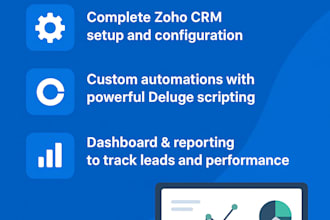

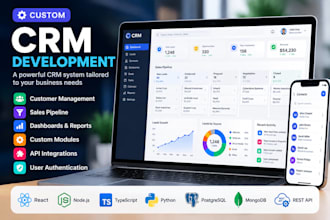




Level 2
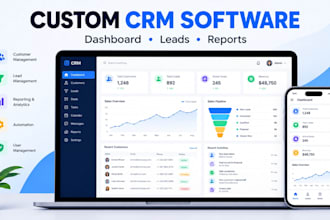
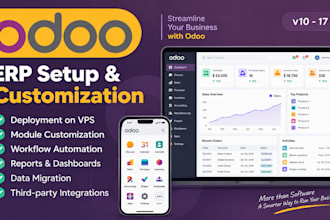
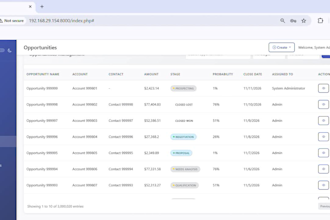
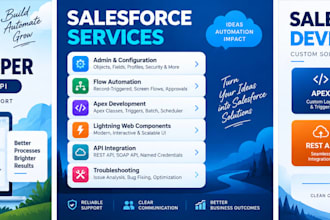
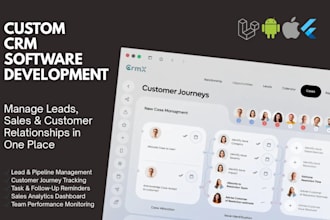
I will develop custom crm, real estate crm, and property management crm
From $275Offers video consultations


































CRM Implementation and Consulting
Beyond pure development work, implementation services help businesses select appropriate platforms, design workflows that match business processes, and train teams on effective CRM usage. Consultants assess current processes, identify automation opportunities, and create implementation roadmaps. These services typically cost $75 to $200 per hour, with small business implementations requiring 20 to 60 hours and enterprise projects demanding 100 to 300 hours. Implementation consulting significantly reduces the risk of choosing inappropriate platforms or designing workflows that don't match actual business needs, potentially saving thousands in redevelopment costs. Organizations new to CRM systems or those replacing failed implementations benefit most from this expertise.
CRM Data Analysis and Reporting
Specialized analytics work transforms raw CRM data into actionable business intelligence through custom reports, predictive models, and visual dashboards. Professionals in this area create sales forecasting models, customer segmentation analysis, campaign performance tracking, and executive dashboards. Services range from $40 to $150 per hour, with basic reporting packages starting around $500 and comprehensive analytics solutions costing $5,000 to $25,000. Advanced projects incorporating machine learning for churn prediction or lead scoring add considerable value but require specialized data science skills commanding premium rates. Companies with substantial customer data seeking to improve decision-making or optimize sales processes find this investment worthwhile.
CRM Training and Change Management
User adoption determines CRM success, making training and change management services critical for maximizing investment returns. These professionals develop training materials, conduct workshops, create video tutorials, and provide ongoing support during transitions. Costs typically range from $50 to $150 per hour, with small team training requiring 10 to 30 hours and enterprise-wide programs spanning 100 to 300 hours. Comprehensive change management programs including stakeholder communication, adoption tracking, and process documentation cost $3,000 to $30,000 depending on organization size. When implementing complex software management systems, inadequate training often leads to low adoption rates and failed implementations, making this investment crucial despite not being pure development work.
Mobile CRM Application Development
Custom mobile applications extend CRM functionality to field sales teams, service technicians, and remote workers who need access beyond web interfaces. Developers create native iOS and Android applications or cross-platform solutions that sync with core CRM systems, provide offline functionality, and optimize interfaces for mobile workflows. Mobile development typically costs $50 to $150 per hour, with simple mobile interfaces requiring 80 to 150 hours and feature-rich native applications demanding 200 to 500 hours. Projects involving offline synchronization, GPS tracking, mobile-specific features like voice notes or photo capture, and complex security requirements fall toward the higher end. Organizations with mobile workforces, field service operations, or sales teams frequently traveling away from desks gain significant productivity improvements from mobile CRM access.
CRM Security Auditing and Compliance
Security specialists assess CRM systems for vulnerabilities, ensure compliance with regulations like GDPR or HIPAA, implement encryption, and establish access controls. These services typically cost $100 to $250 per hour, with basic security assessments requiring 15 to 40 hours and comprehensive compliance implementations spanning 60 to 150 hours. Companies in healthcare, finance, or those handling European customer data face regulatory requirements making compliance work non-negotiable. Security audits typically cost $2,000 to $10,000, while full compliance implementations including documentation, policy development, and technical controls range from $8,000 to $40,000. Organizations handling sensitive customer data or operating in regulated industries should consider this essential rather than optional spending.
Ongoing Costs and Hidden Expenses
CRM systems involve recurring expenses beyond initial development that significantly impact total cost of ownership. Planning for these ongoing commitments prevents budget surprises and ensures system sustainability.
- Platform licensing fees: Most commercial CRM platforms charge per-user monthly fees ranging from $12 to $300 depending on feature tier, creating annual costs of $1,440 to $36,000 for a 10-user team, with enterprise plans often requiring minimum user commitments
- Hosting and infrastructure costs: Cloud-hosted custom CRM solutions typically cost $50 to $500 monthly depending on database size, traffic volume, and performance requirements, while on-premise deployments require server hardware, backup systems, and IT maintenance
- Integration maintenance: Third-party APIs evolve, requiring periodic updates to integration code, costing $500 to $3,000 annually depending on integration quantity and complexity, with major API changes sometimes requiring substantial redevelopment
- Data storage expansion: As customer databases grow and file attachments accumulate, storage costs increase, potentially adding $20 to $200 monthly for systems handling extensive document libraries or multimedia content
- Security updates and patches: Regular security maintenance prevents vulnerabilities, typically requiring 3 to 10 hours monthly for custom systems, costing $150 to $1,500 monthly depending on system complexity and security requirements
- User training for new employees: Staff turnover creates ongoing training needs, with each new user requiring 2 to 8 hours of training costing $100 to $800 per person depending on system complexity and role requirements
- Feature enhancement requests: Organizations typically request 5 to 20 hours of modifications monthly as business needs evolve, creating ongoing development costs of $250 to $3,000 monthly when working with CRM management professionals
- Backup and disaster recovery: Automated backup systems, redundant storage, and disaster recovery planning add $30 to $300 monthly depending on data criticality and recovery time requirements
Frequently Asked Questions
How much does CRM development cost on Fiverr?
CRM development on Fiverr shows considerable range depending on project type and complexity. Basic CRM customization and configuration services start around $150 to $300 for simple workflow setup or field customization. Mid-range projects involving custom module development, third-party integrations, or moderate automation typically cost $500 to $2,000. Comprehensive CRM development including complex integrations, custom feature development, or full system builds range from $2,000 to $10,000-plus. Related services like AI chatbot integration for CRM systems average $216 to $300, while API integration work ranges from $70 to $198. Database development supporting CRM functionality typically costs $133 to $155 for fixed-price packages. Entry-level packages suit businesses needing basic platform setup, while premium options serve organizations requiring sophisticated custom development or enterprise-grade implementations.
What are typical hourly rates for CRM developers?
Hourly rates for CRM developers vary significantly based on specialization and experience level. Core CRM development work typically ranges from $30 to $45 per hour for developers handling platform customization, basic integrations, and standard feature implementation. Specialized work commands higher rates, with API integration specialists charging $40 to $315 per hour depending on complexity. AI integration for CRM systems ranges from $40 to $80 per hour, while chatbot development spans $47 to $270 hourly. Database specialists working on CRM projects charge $40 to $75 per hour. Hourly pricing makes sense when project scope remains uncertain, requirements might evolve during development, or you need ongoing support rather than a one-time delivery. Developers working with enterprise platforms like Salesforce or Microsoft Dynamics typically command rates toward the higher end due to specialized certification requirements and platform complexity.
What is typically included in a basic CRM development package?
Basic CRM development packages generally include platform setup and configuration, custom field creation for contacts and companies, simple workflow automation for lead assignment or follow-up reminders, standard report configuration, and basic user permissions setup. Most packages cover data import from spreadsheets or simple databases for up to 1,000 records, along with initial user training documentation. Integration with one or two common tools like email or calendar systems is often included. Typical delivery timeframe spans 1 to 3 weeks depending on platform complexity. Upgrades and add-ons usually include additional integrations beyond the base package, advanced workflow automation with complex conditions, custom module development for industry-specific needs, mobile app configuration, or extensive data migration from legacy systems. Premium packages incorporate AI features, predictive analytics, custom reporting dashboards, or ongoing monthly support retainers. Expanding scope to include multiple complex integrations, custom coding, or enterprise-scale implementations significantly increases costs as development time extends from basic 15-30 hour packages to 100-plus hour comprehensive projects.

Related Guides




About the author
Dolev GamzoR&D Director
Dolev Gamzo is a Director of R&D at Fiverr, where he leads engineering groups and the Fiverr AI Guild. With 12+ years of experience in building software, he spent 5 years managing Fiverr’s payment and financial systems before shifting his focus to Fiverr's inbox moderation framework and order framework. In his free time, Dolev explores nature and spends time with his three children.
