 August 3, 2026
 6 minute reading
Before we speak about online marketing and ad strategies, we need to understand why Meta is still the king of all ad platforms:
- Massive Reach: 3 Billion + active users across Facebook, Instagram & Whatsapp
- Advanced Targeting: Interests, Behaviours, Demographics - Age, Gender, Job Titles, Financial Income Level, Lookalike audiences, etc.
- Multiple Ad Formats: You can create ads in various formats, including static images, carousels, instant experiences, and videos with both short and long-form content.
But with great power comes complexity. Simply boosting a post isn’t enough anymore. To truly maximize ROI, a strategic approach is necessary. Below, we’ve outlined battle-tested Meta Ads strategies that can work for nearly any type of business.
Meta ads, across Facebook, Instagram, and beyond, remain one of the most effective ways to reach your ideal customer. That’s largely due to the massive volume of user data Meta collects. Most people keep their phones logged into Facebook or Instagram, allowing Meta to track their behavior and preferences continuously. Add tools like Meta Pixel, along with the broader ecosystem, including WhatsApp and Threads, and you have a data-rich platform designed to capture and act on user intent across multiple channels.
In this guide, I’ll walk you through practical, field-tested strategies we use at our agency to drive results without burning through ad budgets. These aren’t just theories, we manage over $2 million in annual ad spend and are an official Meta Badged Partner. What follows are approaches that work.
Launch Your Marketing Business
Strategy 1: Three-Layer Targeting for Precision (Applies to most businesses)
- Group A: Agriculture-based interests (e.g., farming, fertilizers, pesticides)
- Group B: Interests in big tractor and equipment brands
- Group C: Business page admins, small business owners, and people listed as "owners"
Strategy 2: Targeting B2C Audiences Without Direct Meta Interest Options
Option 1:
Option 2:
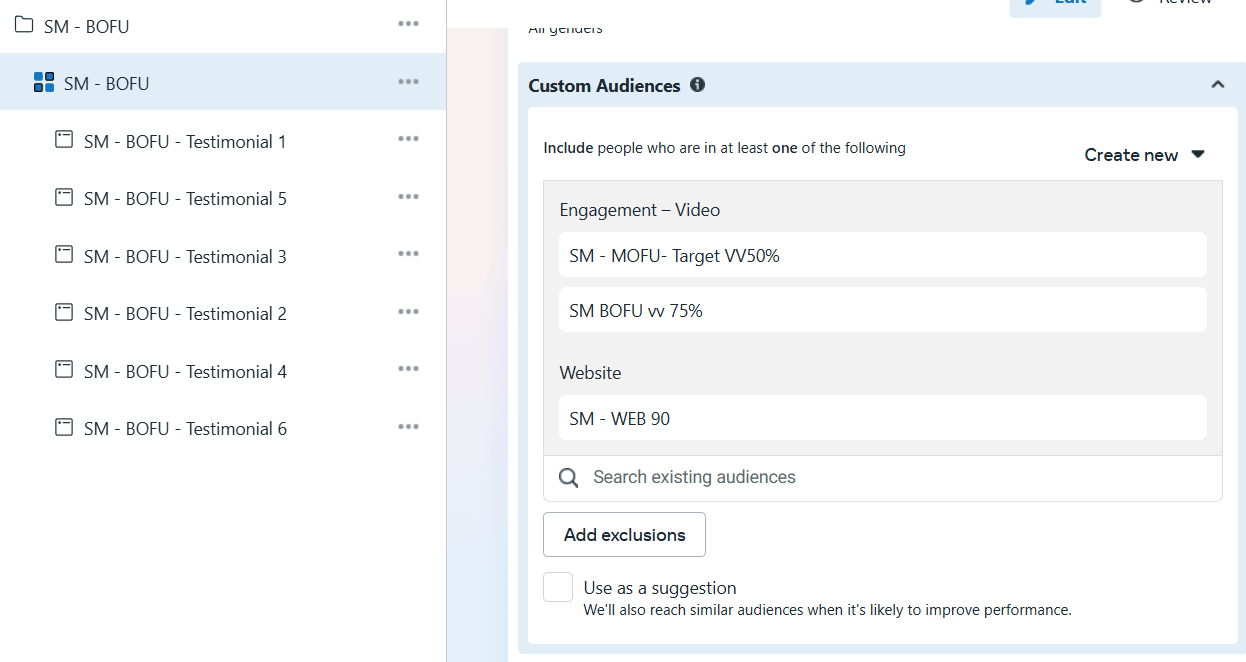
- For Option 1: Retarget based on actions, like form submissions, button clicks, or time spent (e.g., top 25% of traffic).
- For Option 2: Retarget based on video views (e.g., 50% or 75% + watched), plus all the actions listed in Option 1.
Get the best Instagram hashtags for your business











Strategy 3: Targeting B2B Audiences Without Direct Meta Interest Options
Step 1: Build a Seed Audience
- First & last name
- Email (most important)
- Phone number
- Zip code
- Country
Step 2: Create a Lookalike Audience
Strategy 4: Long-Term Buyer Targeting for Pre-Launch Products
Step 1: Run a Lead Gen Campaign
Step 2: Use the Emails Later
- Audience 1: Upload the collected emails to create a retargeting audience.
- Audience 2: Create a lookalike audience based on the provided list.

Find a digital marketing strategist for hire





Vetted Pro
I will create a marketing strategy and growth plan with 3 month retainer
Offers video consultations



Top Rated
I will be your killer brand strategist and marketing consultant
Offers video consultations



Level 2
I will create a brand strategy that attracts your ideal customers
Offers video consultations






Vetted Pro
I will create a profitable marketing strategy and brand strategy
Offers video consultations

Top Rated
I will audit your social media strategy and create a clear action plan
Offers video consultations



Level 2
I will diagnose why your funnel is not converting and how to fix it
Offers video consultations


Vetted Pro
I will provide facebook instagram meta ads strategy consultation
Offers video consultations




Level 1
I will create an expert evergreen sales funnel strategy for you
Offers video consultations



Vetted Pro
I will create a digital marketing strategy for saas startup business
Offers video consultations





Level 2
I will do hubspot CRM setup, hubspot optimization, hubspot implementation, management
Offers video consultations

Top Rated
I will develop the marketing and branding strategy for your brand
Offers video consultations

Top Rated
I will be your 1 on 1 consultant and coach for google adwords PPC campaigns
Offers video consultations






Level 2
I will create a complete brand strategy and positioning for your brand
Offers video consultations




Level 2
I will create a steam launch marketing plan for your game
Offers video consultations




Level 2
I will create digital marketing strategy, social media strategy, marketing plan
Offers video consultations
Bonus Tips for Reducing Ad Waste
Usage of Campaign Budget Optimization (CBO)
A simple example: Let’s say you’re running ads for a local bakery targeting a 5-mile radius. In the testing phase, you might create separate audience groups such as:
b) general pastry lovers
c) fans of specific products like donuts, cheesecakes, or other specialty items
Avoiding Audience Overlap (Avoiding Audience Fatigue)
Testing New Creatives (Avoiding Ad Fatigue)
Meta Ads for Business Owners FAQs
1. What’s the minimum budget to start Meta ads?
2. Should I boost posts or run proper campaigns?
3. What’s better: video or image ads?
4. How long should I run a campaign before judging performance?

Related Guides



About Author
Sales Magnitude
With over 8 years of specialized experience in Facebook, Instagram, and Google Ads, along with a successful track record of managing 450+ clients across diverse industries, we excel at creating cost-effective campaigns that consistently drive conversions. We have worked with businesses of all sizes: from start-ups to large-scale companies. It's our aim to help good businesses succeed with profitable Facebook, Google & Instagram marketing. From setup to daily monitoring and optimization, we've got you covered, ensuring your ads consistently deliver results.
