 August 3, 2026
 9 minute reading
There are more than five billion internet users online today, revolutionizing the way global shopping is conducted. Ecommerce has become an increasingly popular—and easy—way for entrepreneurs to start a business. Being the largest ecommerce provider to the top one million sites, Shopify is well-equipped to make starting an ecommerce business even more straightforward
What is an ecommerce business?
An ecommerce business is a type of business that allows customers to buy and sell products or services over the internet. Ecommerce businesses can take many forms, such as traditional online retail stores, subscription services, and more. Most ecommerce businesses that are starting out launch on a platform or online marketplace—such as Shopify, Amazon, Alibaba, eBay, or Etsy. These platforms provide the infrastructure and tools necessary to create and manage an online store—including payment processing, inventory management, and shipping.
One of the greatest advantages of ecommerce businesses is that they don’t require a physical storefront. This makes them a great option for entrepreneurs who want to start a business with low overhead costs. Below, we’ll explore the step-by-step logistics behind starting an ecommerce business on Shopify in 2024.
Optimize & Customize Your Shopify Store






















Level 2
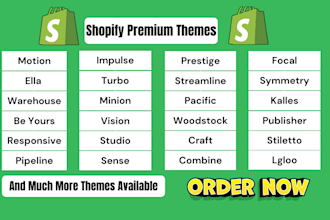
I will shopify theme customization theme custom coding bug fixing
Offers video consultations




































Level 2
I will shopify website development and shopify theme customization
Offers video consultations

















Level 2
I will be your shopify developer, shopify coding and shopify theme customization expert
Offers video consultations
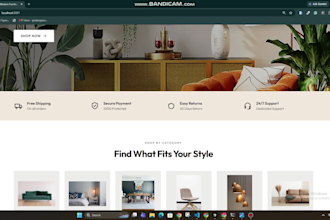

1. Find the right niche
Competitor analysis
- Who are my main competitors?
- What do they offer?
- How can I differentiate myself from them?
- Why should customers choose me over them?
Product research
- Online surveys
- Interviews
- Focus groups
- One-on-one conversations with people who fit into your target demographic.
- What do you think of my product idea?
- Would you consider buying from me?
- What would make you choose to buy from me over other companies offering similar products or services?
2. Set up a Shopify store
Sign up for a Shopify account

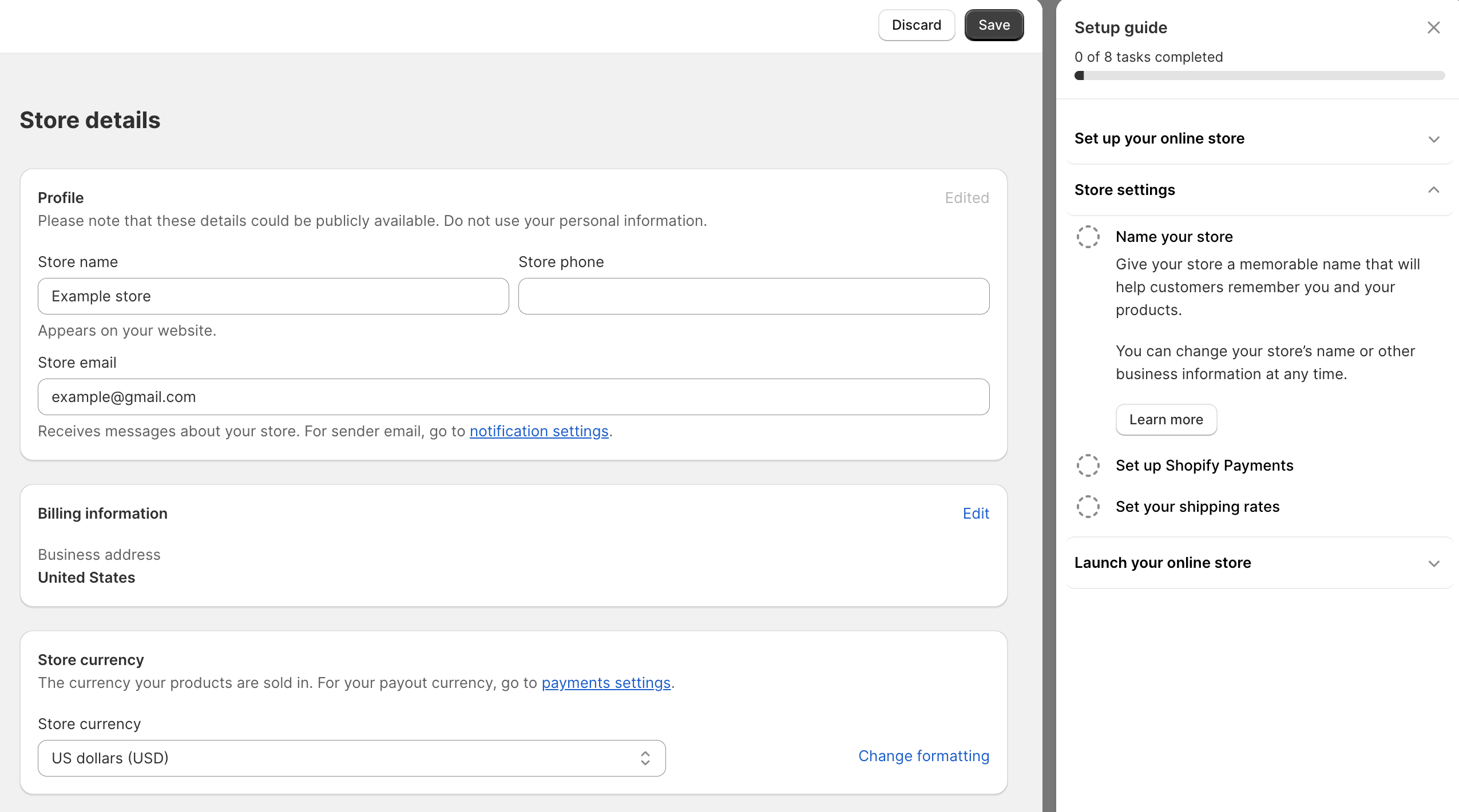
Name your store
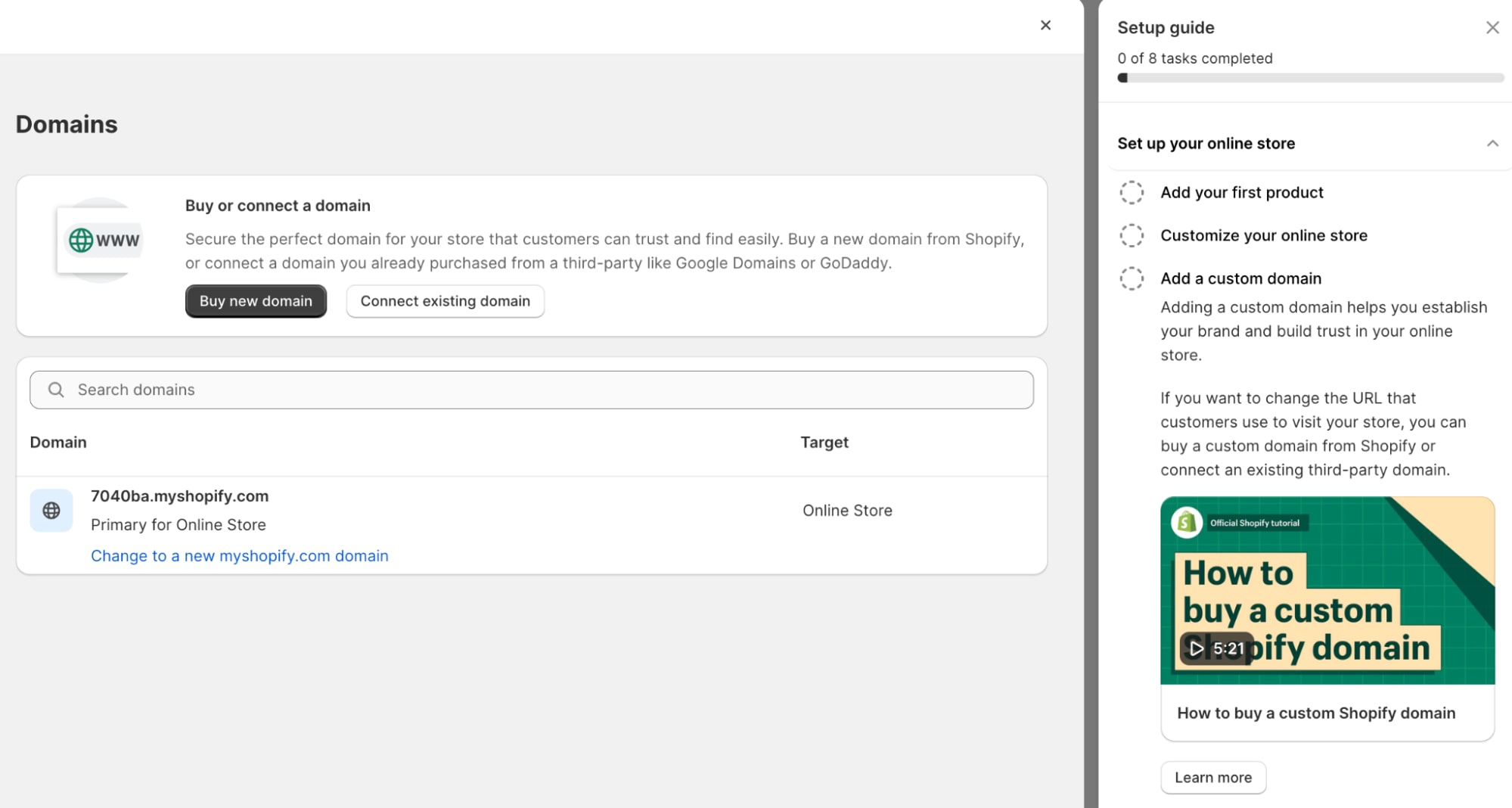
Choose a domain name
3. Add products and branding to your store
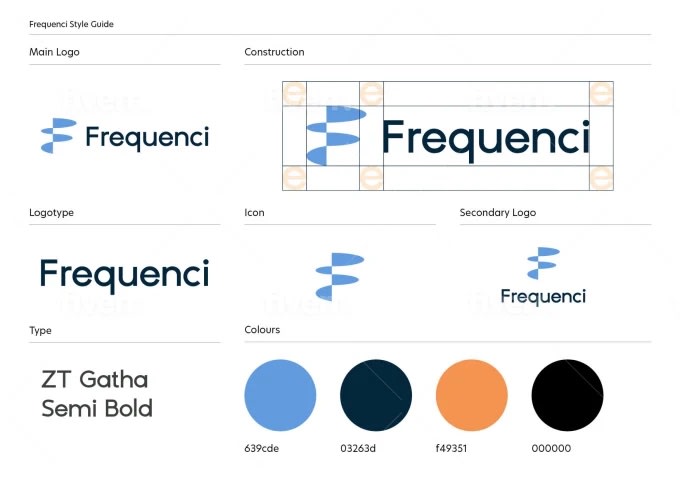
Design your logo
Add product listings
- Title
- Description
- Pricing
- Images/videos
4. Add pages and theme to your store

- About Us
- Contact Us
- Shipping Policy
- FAQ
5. Set up your payment gateway and shipping
- PayPal
- Stripe
- Apple Pay
- Google Pay
- Credit card
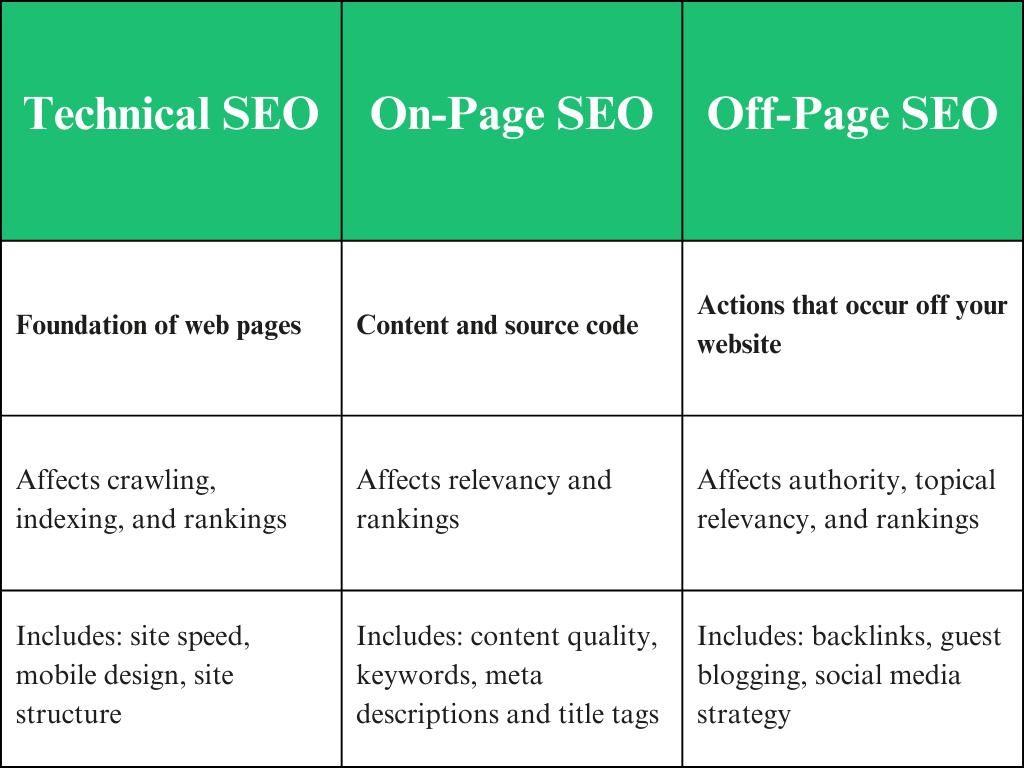
6. Optimize your ecommerce SEO
- Research and target relevant keywords. Analyzing trends and competitor strategies can help you understand what terms are most popular across different platforms. SEO tools can provide helpful insights into search volume, competition level, and cost-per-click of the targeted keyword.
- Optimize your website’s metadata. Tackle technical SEO by avoiding duplicate content in the metadata of product descriptions. Include keywords when applicable, but don’t plug them in unnaturally.
- Create content rich with keywords. All content published on your ecommerce website or social media channels should include the researched keywords. Longer form pieces such as white papers or case studies allow you to delve deeper into topics related to your business.
- Establish backlinks. Reach out to influencers or partner with other businesses for guest blogging opportunities to gain valuable backlinks. If you’re having trouble earning backlinks, you can still rank highly on Google by following these 10 methods.
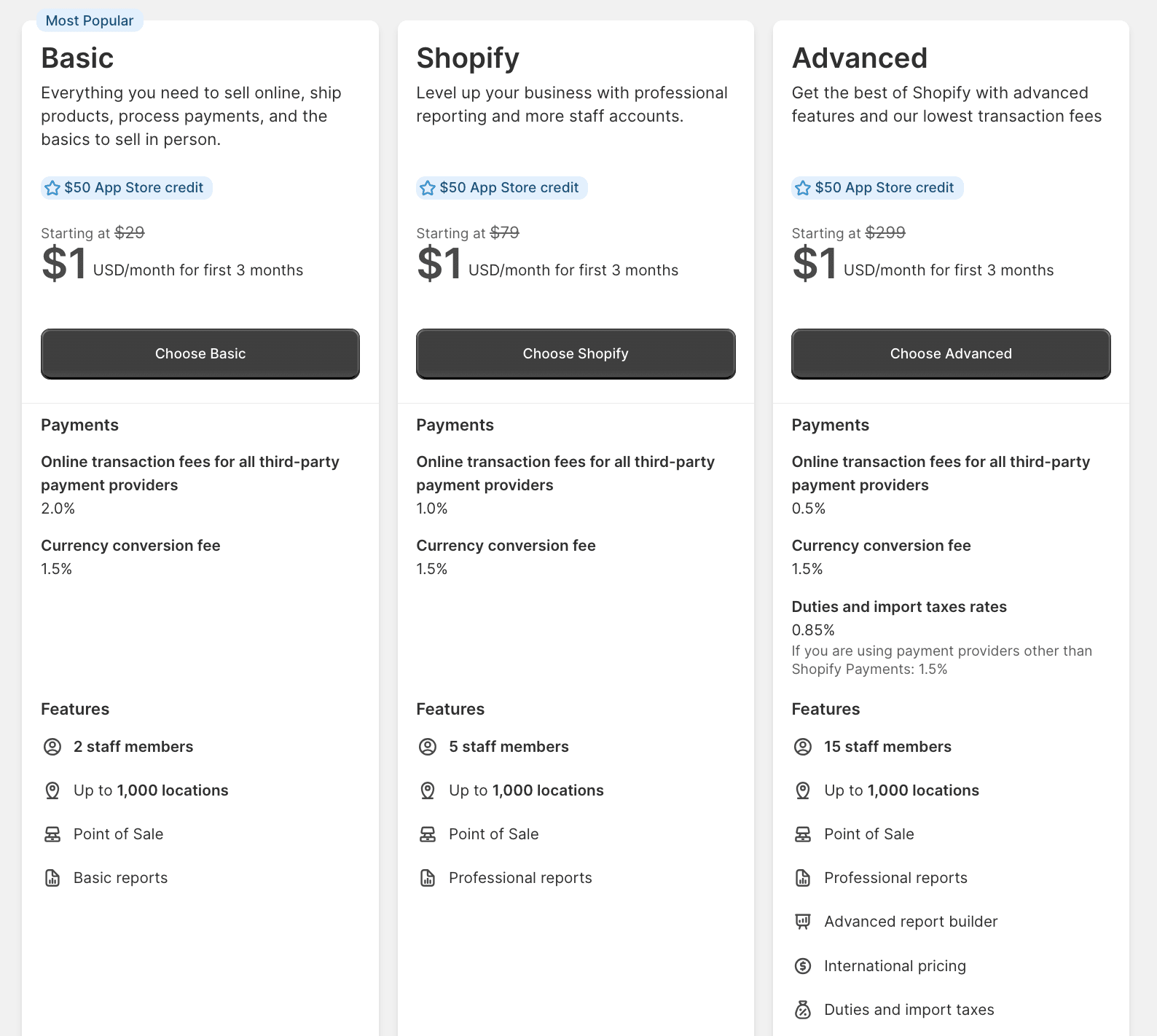
7. Launch your store
Setup your Shopify website with these experts




Level 2
I will develop, design, and launch your ecommerce shopify website
Offers video consultations







Vetted Pro
I will be your shopify expert to build shopify store design and customize store website
Offers video consultations

Vetted Pro
I will build shopify store, design redesign copy ecommerce website, dropshipping store
Offers video consultations


Vetted Pro
I will design shopify website, shopify store design or shopify website development
Offers video consultations


Top Rated
I will build a high converting shopify store or redesign website
Offers video consultations


Vetted Pro
I will do shopify website development, shopify store design, shopify website design
Offers video consultations


Level 2
I will build shopify store, design redesign, copy ecommerce website, dropshipping store
Offers video consultations

Vetted Pro
I will develop, design and build your shopify store or shopify website
Offers video consultations


Top Rated
I will build you a ready to sell dropshipping shopify store
Offers video consultations






Level 2
I will build shopify store, design or redesign shopify website, copy dropshipping store
Offers video consultations






Vetted Pro
I will create ecommerce shopify website, shopify store or figma to shopify expert
Offers video consultations



Vetted Pro
I will design and develop your custom shopify store that converts
Offers video consultations

Vetted Pro
I will develop shopify theme from your PSD, xd, ai, or figma design
Offers video consultations


Vetted Pro
I will do shopify store design and website redesign for ecommerce website development
Offers video consultations







Level 2
I will build private label branded dropshipping coffee shopify store, coffee website
Offers video consultations


Vetted Pro
Our agency will build german shopify store or shopify website that converts
Offers video consultations





Top Rated
Our agency will do shopify store design or shopify website design
Offers video consultations


Vetted Pro
I will design and develop a high end custom shopify store for you
Offers video consultations

Vetted Pro
I will build a highly professional shopify store or shopify website development
Offers video consultations




Vetted Pro
Our agency will build a high end custom shopify store from figma or lovable
Offers video consultations






Vetted Pro
Our agency will design and develop an awesome shopify store for you, shopify developer
Offers video consultations







Vetted Pro
Our agency will create an automated shopify dropshipping store
Offers video consultations

Vetted Pro
Our agency will install and configure sparklayer b2b app for shopify wholesale store
Offers video consultations

Vetted Pro
Our agency will design shopify store, shopify website, do shopify redesign
Offers video consultations

Vetted Pro
I will create a bold, modern, conversion focused shopify storefront
Offers video consultations

Vetted Pro
Our agency will do shopify store design, redesign shopify store, wordpress to shopify
Offers video consultations
8. Manage inventory, orders, and customer interactions.
9. Market your business
- Social media marketing. Conduct a complete social media audit, set up a social media content planner, and engage with customers on each channel. Read more on social media marketing strategies.
- Content marketing. Try out different forms of content marketing, such as user-generated content, setting a content calendar, and investing in video. Read more on content marketing strategies.
- Email marketing. Segment your email newsletters and set up email outreach for cart abandonment, promotional offers, and more. Read more on email marketing strategies.
- Affiliate marketing. Earn additional income by engaging in affiliate marketing to increase your brand’s reach and awareness. Read more on affiliate marketing strategies.
10. Continue to optimize your Shopify store
- Monitor analytics and customer feedback. Your Shopify store’s analytics can provide you with valuable insights into how people are finding and using your store. Consider using GA4 to better stay on top of these ecommerce metrics.
- Introduce new products. If your store continues to grow, you might find yourself wanting to venture out and explore new types of products or new customers in a different target market. Follow a product launch plan for optimal success, and only branch out if it makes sense for your shop.
- Invest in AI. Artificial intelligence tools can boost your small business’s efficiency. Try tools and apps out for content creation, SEO, and prompt engineering use cases.
- Enlist the help of freelancers. Freelancers can take busy work off your plate—leaving you more time to focus on the more critical aspects of running a business. They can help you create a stunning website and are usually up to date with the latest trends in ecommerce.

Related Guides

About Author
Michelle Newblom
Michelle Newblom is a B2B SaaS writer with a knack for creative storytelling, which she artfully applies to all of her content. Her expertise lies in creating compelling copy for blogs and guides, which help businesses generate conversions and attain their goals.
