 August 3, 2026
 9 minute reading
Community management is a crucial component of any public relations or marketing strategy. It builds an identity around your brand, which is necessary in a high-competition digital landscape.
Ninety-four percent of consumers say a brand’s treatment of its customers influences their buying decision. Make that treatment a positive one and form intimate relationships with customers through superb community management.
What is community management?
Community management involves creating a safe, inviting, and engaging environment for consumers to interact with each other and your brand. It’s not limited to a single space either—communities can exist everywhere from social media platforms like TikTok or LinkedIn to other areas like Discord or online forums.
Managing your brand’s community can build a loyal consumer base with a sense of belonging. Cultivating a successful online community in 2025 requires a community management strategy.
Like setting up a social media marketing plan and developing metrics for success—such as brand awareness or customer support.
In some ways, online communities have taken priority over in-person memberships. Small business owners are capitalizing on this by creating a space for like-minded consumers to connect in the digital realm.
Community management can benefit your business by:
- Increasing lead generation and customer retention
- Forging a personal connection with customers
- Receiving valuable feedback
- Increasing revenue by attracting new customers
- Cultivating a fantastic customer experience
- Engaging with consumers and learn more about what they want
- Finding brand ambassadors
- Receiving more user-generated content
- Increasing engagement
Take your online community wherever your target audience spends time. Define how you want to represent your brand—keep in mind consumers prefer reliable communities.
“I think one of the things so many companies get wrong is setting up a digital space and thinking that is the community,” says Ryan Rumsey, founder of Chief Design Officer School. “Communities are the interactions, the conversations, the vulnerabilities, and sharing that take place, not the tool. And while tools can be set up and managed pretty easily these days, that’s not going to be a difference maker.
Hire a professional community manager on Fiverr







Top Rated
I will setup new and existing discord servers within 24 hours
Offers video consultations

Top Rated
I will create a professional discord server with the best design and setup
Offers video consultations


Vetted Pro
I will create a professional discord community server for your business or project
Offers video consultations
Vetted Pro
I will perform a professional discord community audit for your discord server
Offers video consultations












Level 2
I will setup skool community online course circle so mighty networks skool setup
Offers video consultations




Top Rated
I will setup professional discord server with whop integration
Offers video consultations





Level 2
I will create custom discord server with whop store integration
Offers video consultations

Level 2
I will setup new and existing discord server setup, whop setup within 24 hours
Offers video consultations






Level 2
I will skool community setup skool community skool credit repair skool course creation
Offers video consultations










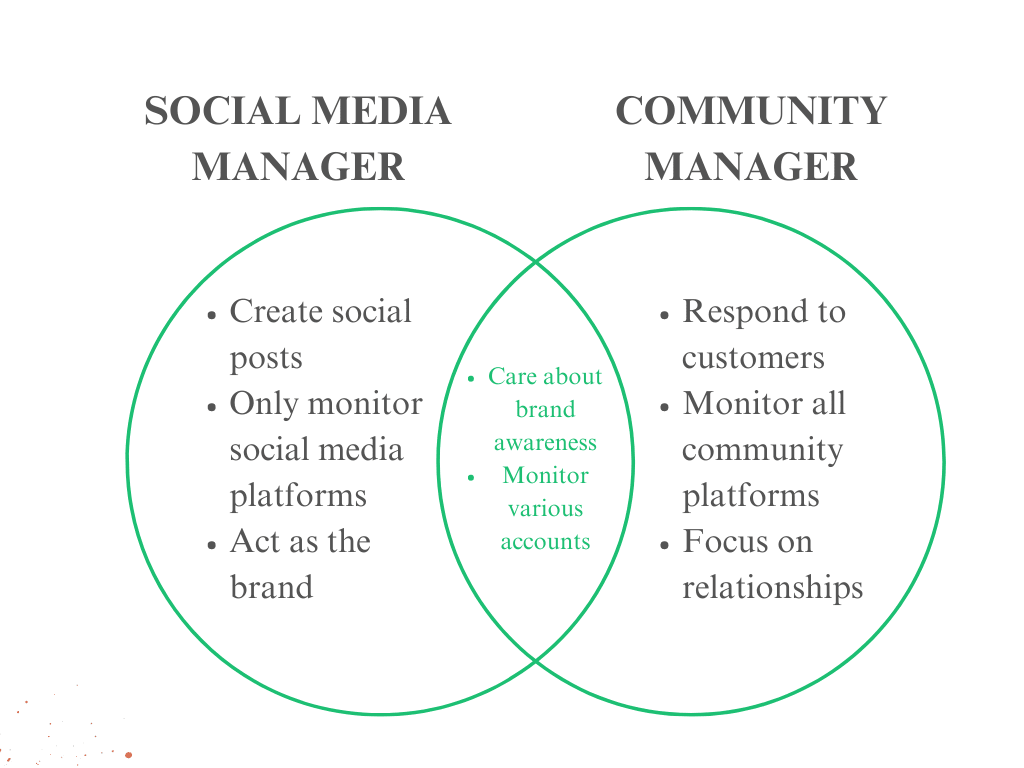
What’s the difference between social media management and community management?
- Scheduling social posts
- Implementing the best hashtags
- Juggling accounts on various apps
- Monitoring all social media platforms
- Interacting as the brand itself
- Creating new content
- Responding to customer messages
- Moderating spaces
- Forming more personal relationships
- Finding ways to foster connection
- Strategizing community growth
6 different types of community management
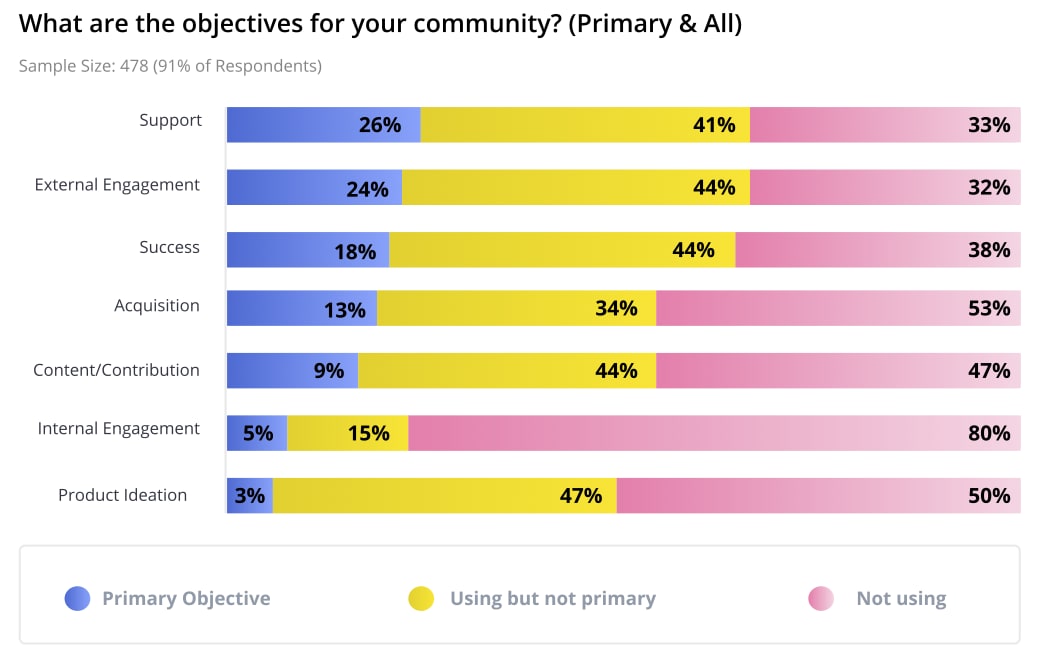
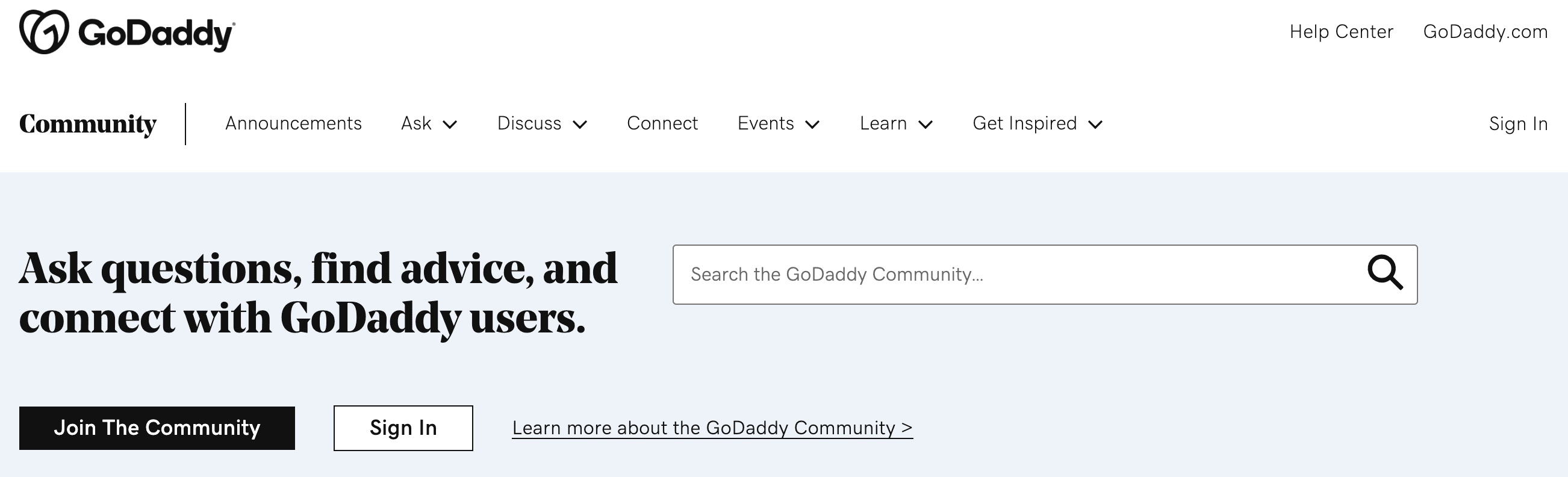
1. Support communities
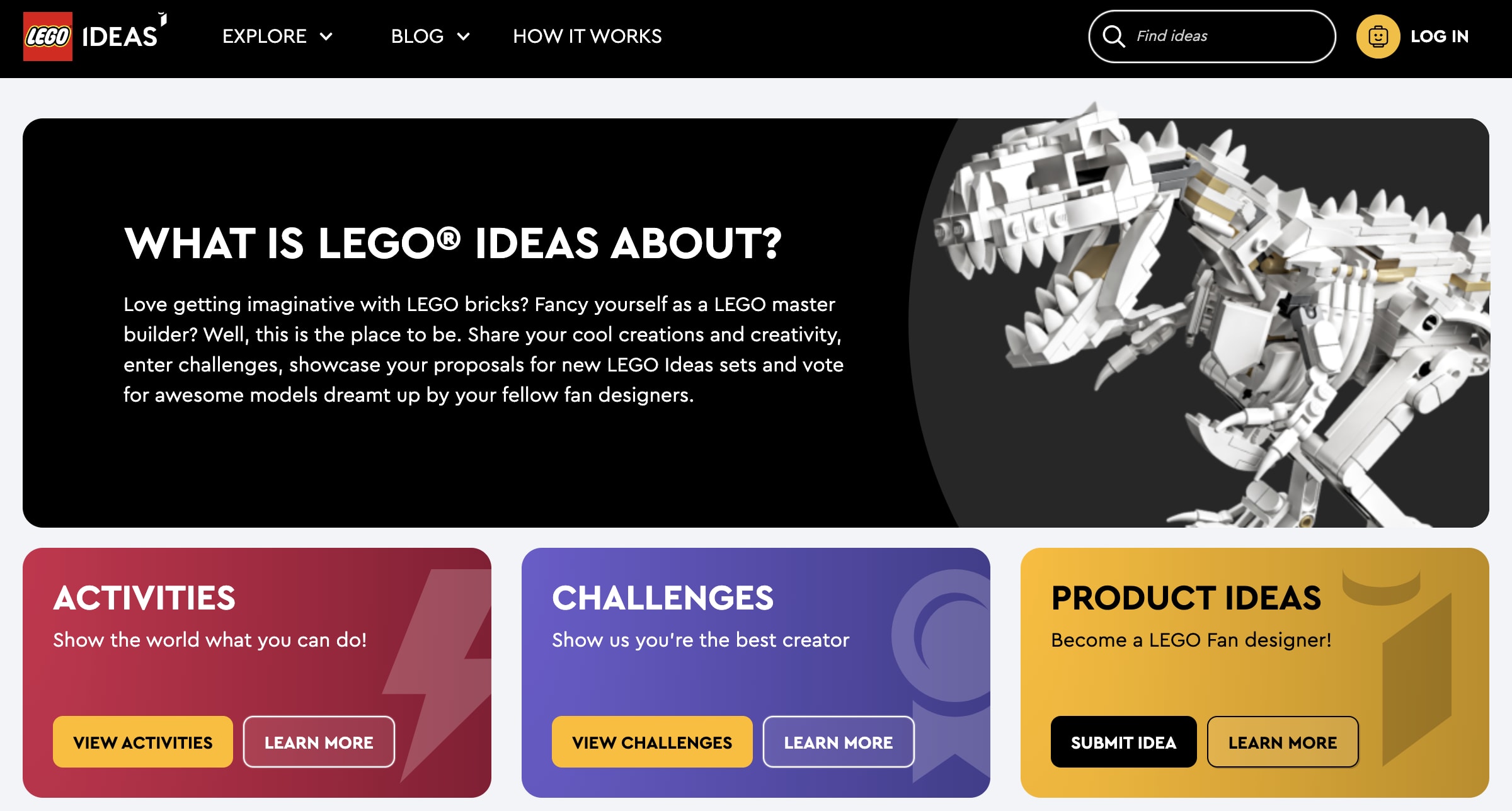
2. Product communities
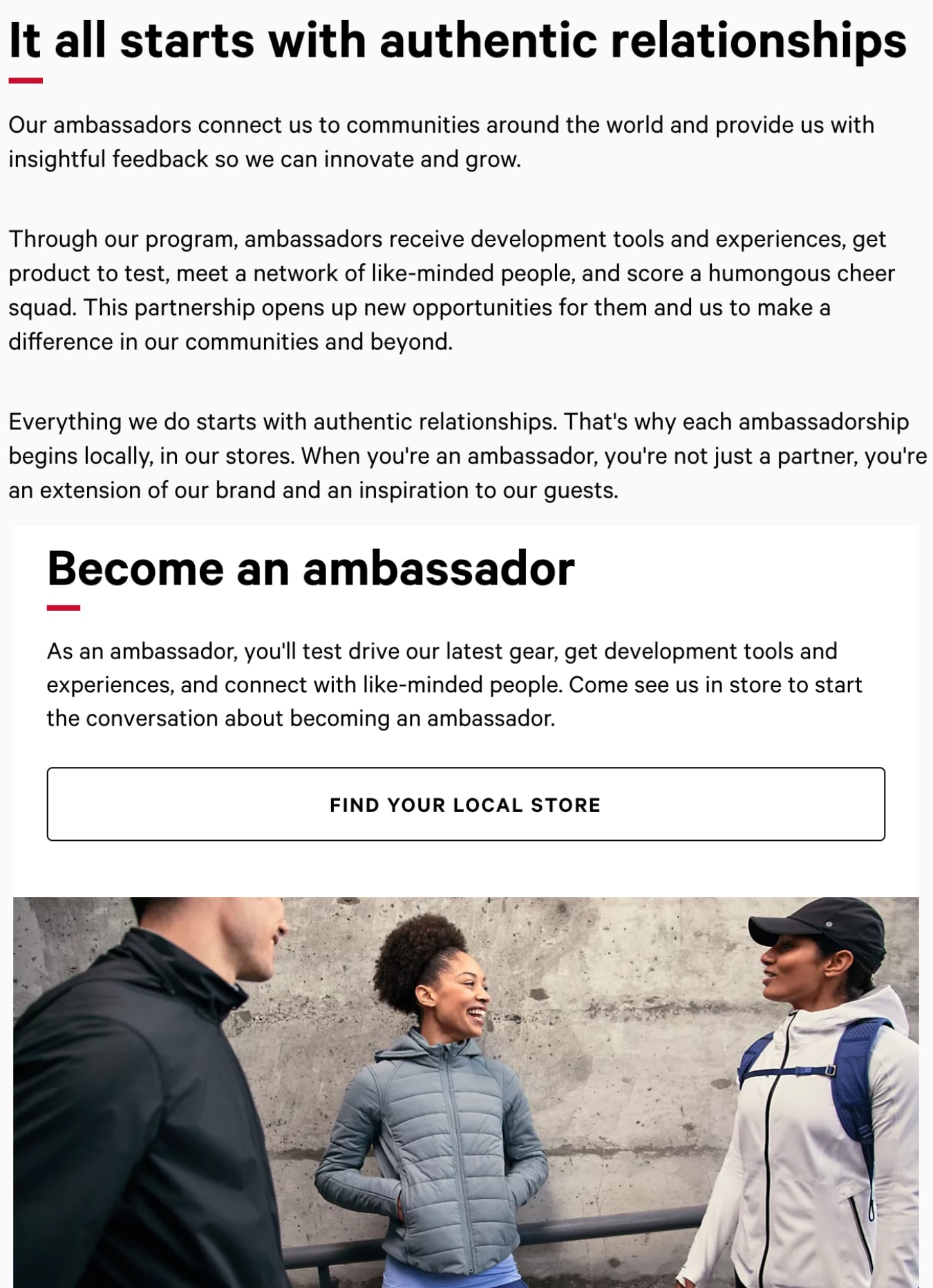
3. Acquisition and advocacy communities
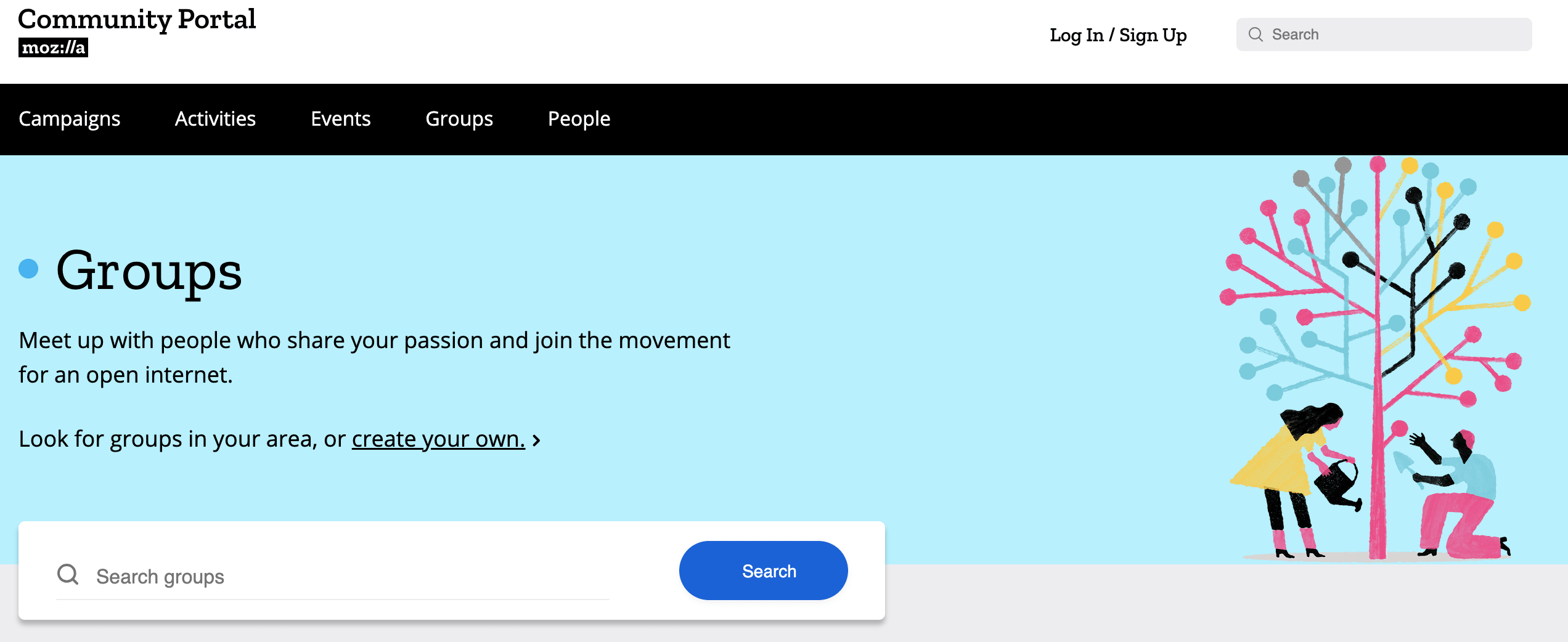
4. Content and contribution communities
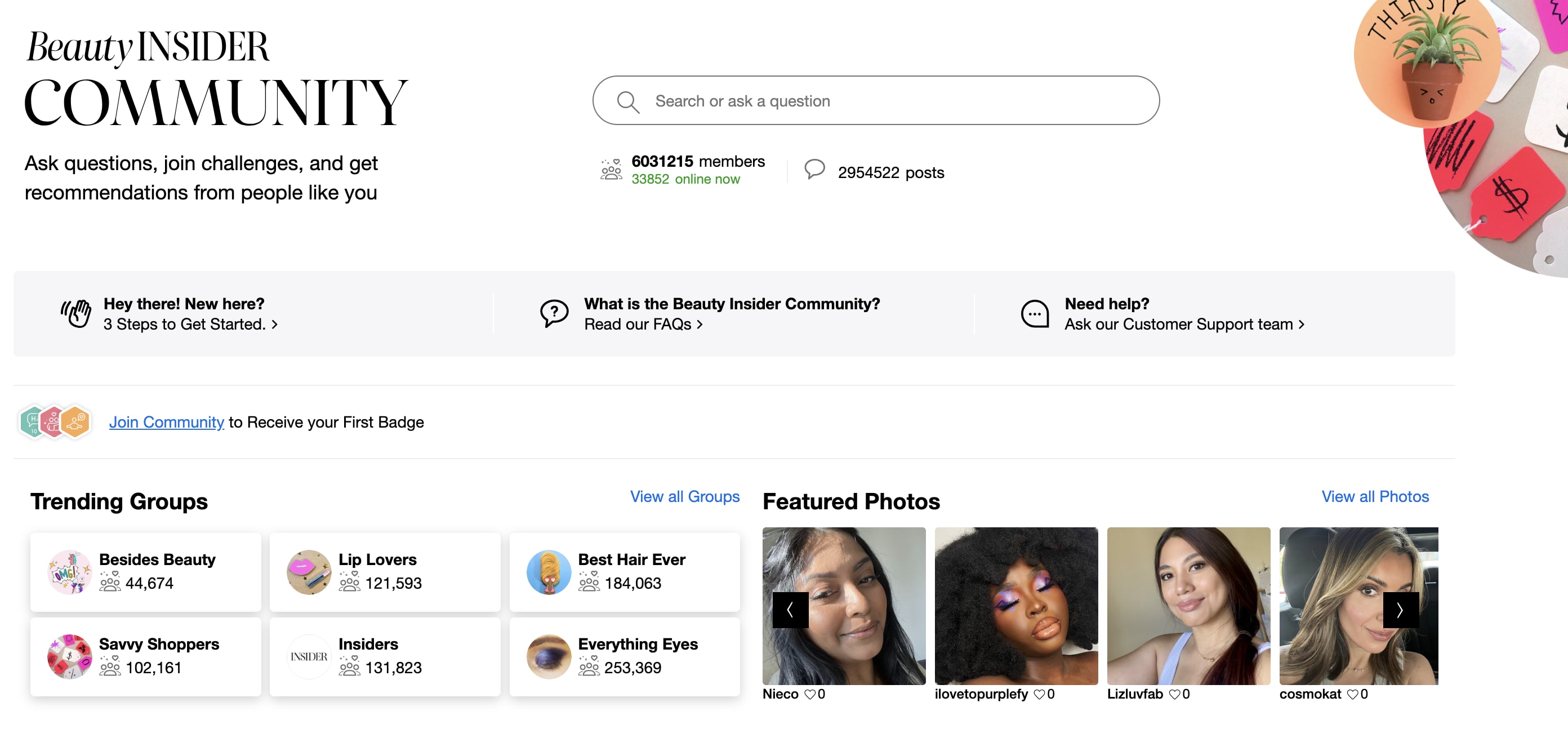
5. Engagement communities
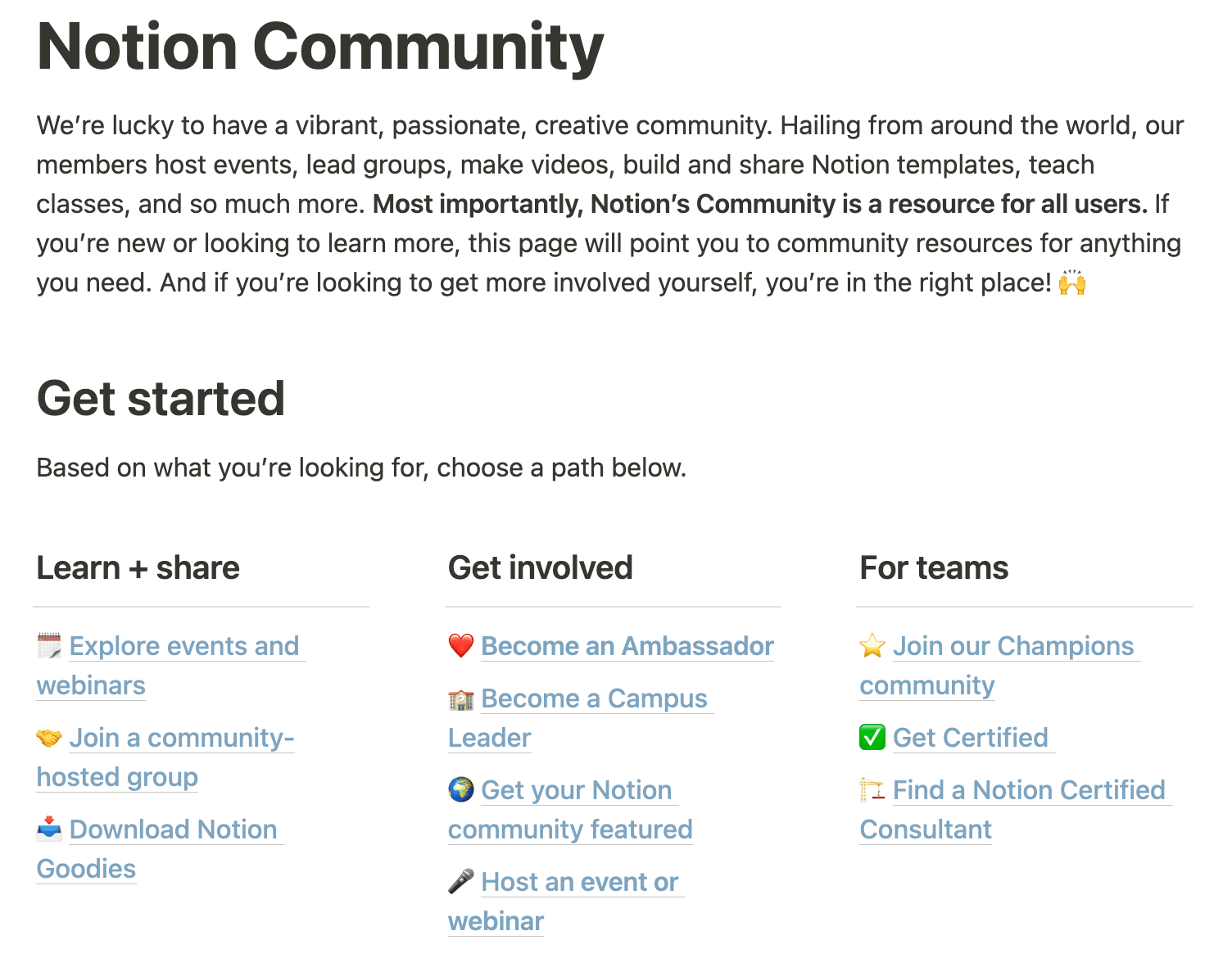
6. Success communities
Hire a talented community strategist for your business
Top Rated
I will setup new and existing discord servers within 24 hours
Offers video consultations
Top Rated
I will create a professional discord server with the best design and setup
Offers video consultations
Vetted Pro
I will create a professional discord community server for your business or project
Offers video consultations
Vetted Pro
I will perform a professional discord community audit for your discord server
Offers video consultations
Level 2
I will setup skool community online course circle so mighty networks skool setup
Offers video consultations
Top Rated
I will setup professional discord server with whop integration
Offers video consultations
Level 2
I will create custom discord server with whop store integration
Offers video consultations
Level 2
I will setup new and existing discord server setup, whop setup within 24 hours
Offers video consultations
Level 2
I will skool community setup skool community skool credit repair skool course creation
Offers video consultations
How to build a community management strategy
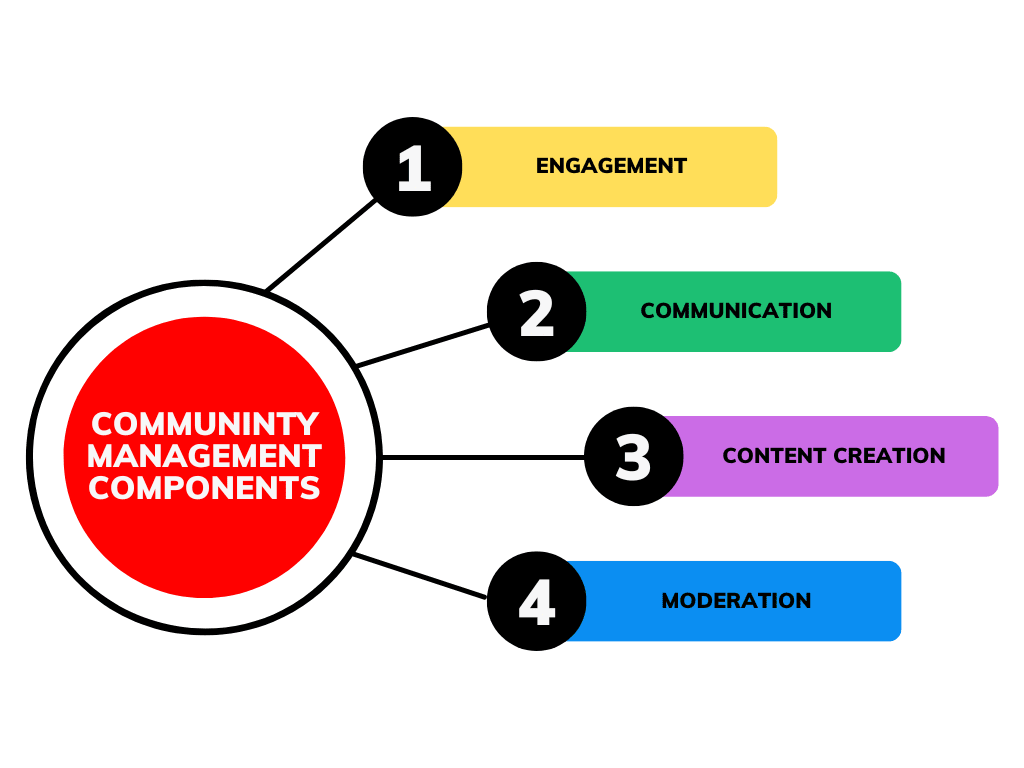
Develop and execute goals
Create engaging content
- Blog posts with engaging visuals, data, and quotes
- Videos that highlight product uses or repurpose blog post content
- Podcasts that discuss relevant industry news or company updates
- Infographics with actionable checklists
- Webinars that feature industry leaders
- Testimonials from loyal customers
Moderate interactions
Analyze metrics
- Social listening tools
- Surveys from users
- Engagement rates from community members
Engage with members regularly
- Direct messages on social media
- Polls
- Surveys
- Q&As
- Live streams
Tips to grow your community
- Understand your audience. Get to know your users and their interests to tailor your content to them.
- Promote content. Share content from your community across other social media channels and platforms to increase visibility.
- Use visuals. Use videos, infographics, images, and other visuals to make your content stand out and more engaging.
- Respond quickly. Make sure to respond to comments and messages in a timely manner to show you care and are attentive.
- Invite feedback. Ask questions and invite feedback to get to know your users better and keep them engaged.
- Host events. Host online events to engage with your community, hear what they have to say, and give something back.
- Set goals. Set goals for yourself and your team members to keep track of progress and measure success.
- Invest in SEO. Optimize your content for search so more users can find your site and community.
- Leverage influencers. Work with influencers in your niche to promote your community.
- Connect with other communities. Connecting with other communities can foster collaboration and support.
- Celebrate accomplishments. Celebrating the accomplishments of members can build morale and boost pride in the community.
- Upgrade your hosting platform. Using a free version or lower pricing tier of Slack or other software is ideal when starting out. But as you grow, you'll need a platform provider with more functionality to match the needs of a larger community and to make management easier.
- Connect your community and social strategies. Make sure your community management strategy and your social media marketing strategy are closely intertwined.
- Promote community growth. Forge personal connections to increase the size of your community and reach new consumers while generating additional revenue.
Build a home for your tribe with a freelance community manager

Related Guides




About Author
Michelle Newblom
Michelle Newblom is a B2B SaaS writer with a knack for creative storytelling, which she artfully applies to all of her content. Her expertise lies in creating compelling copy for blogs and guides, which help businesses generate conversions and attain their goals.
