 August 3, 2026
 9 minute reading
Artificial intelligence (AI) is revolutionizing how our world works—for better and for worse. It’s now become a prevalent force in the education system, so it’s crucial to understand the ethical concerns and legislation associated with AI-based technologies.
When leveraged properly, the potential of AI is far-reaching and can benefit students and teachers.
In this guide, we’ll explore the ethics and rules of AI in education, and offer some tips on how to implement new technologies.
How is AI being used in education?
Almost no industry is free of AI’s influence or impact. Whether it be in a high school classroom or a higher education setting, AI is redefining the way we conduct teaching and learning.
Here are four of the most popular ways AI is used in education:
- Flag cheating. AI technology can reduce cheating and plagiarism by detecting anomalies in submitted work, or searching for similar content across multiple sources online.
- Evaluate applications. Universities or professional organizations can use AI to evaluate applications for admission or employment opportunities.
- Assist with language learning. AI-basedchatbots can soon help students learn English—or other languages—by providing conversational practice with an artificial interlocutor that responds realistically like a human would during a conversation.
- Identify behavioral patterns. Teachers can identify learners who are at risk of falling behind and provide targeted interventions much earlier.
“Our platform, Traverse, partnered with Mandarin Blueprint for the integration of AI flashcards with Mandarin learning,” says Dominic Zijlstra, founder of edtech startup Traverse. “This resulted in a structured and effective learning experience for students. This also demonstrated the model's adaptability to different subject matter, making it a valuable asset for diverse educational needs.”
Find an expert chatbot developer on Fiverr




Level 2
I will build ai chatbot and ai agents using chatgpt, n8n, llm, vapi, API key, langgraph
Offers video consultations

Level 2
I will build retell ai agent, vapi ai calling agent, ghl ai voice agent ai cold calling
Offers video consultations

Level 2
I will do ai chatbot, gpt, rag, llm, agent, ai voice bot, ai saas, openclaw, automation
Offers video consultations



Level 2
I will create ai chatbot for your business using chatgpt and manychat
Offers video consultations





Top Rated
I will build custom ai chatbot using llm, chatgpt and prompts
Offers video consultations

Level 2
I will build ai saas website, ai chatbot, ai mobile app, ai voice agent development
Offers video consultations

Top Rated
I will build custom telegram bot, discord bot, or crypto community bot for web3
Offers video consultations


Level 2
I will create ai custom chatbots websites saas app with integration
Offers video consultations

Vetted Pro
I will develop ai chatbot with chatgpt llm openai langchain pincone
Offers video consultations

Level 2
I will build enterprise discord bot, custom discord bot, web dashboard python developer
Offers video consultations

Vetted Pro
I will create a custom ai chatbot for your business needs
Offers video consultations


Top Rated
I will build ai chatbot, ai agent and ai chatbot builder saas for passive income
Offers video consultations


Level 2
I will build a custom, scalable discord bot for your server
Offers video consultations

Level 2
I will build ai chatbot and ai voice agent with vapi, n8n, retell, manychat
Offers video consultations


Top Rated
Our agency will develop custom ai agent chatbot with rag and custom knowledge base
Offers video consultations

Top Rated
Our agency will build ai chatbot ai website ai saas ai app using gpt gemini langchain pinecone
Offers video consultations

Level 2
Our agency will develop custom chatbot for your docs using langchain and gpt
Offers video consultations

Top Rated
I will create an ai chatbot with llm claude, chatgpt, gemini
Offers video consultations



Level 2
I will build custom ai agents using openai, API keys, integrations
Offers video consultations




Level 2
I will develop custom business chatbots using gpt, llama 3, langgraph, langchain
Offers video consultations

Level 2
I will develop ai saas or ai app using langchain and chatgpt
Offers video consultations











Level 2
I will ai chatbot developmment, voiceflow, ai agent, ai chatbot
Offers video consultations
Risks of using AI in education
Breach of student data
Plagiarism
Biased algorithms
Dependence on AI
Benefits of AI in education
Personalized learning
Automation of administrative tasks
Improved assessment of students
Tips for integrating AI systems into the education system
1. Be aware of ethical concerns
- Doesn’t account for learning. When students use chatbots like ChatGPT, the models are programmed to provide fast responses. They aren’t suited for further learning and exploring key topics—meaning that students who turn to these technologies for answers aren’t getting much explanation.
- Plagiarism. AI makes cheating in the classroom much easier. It also pulls from sources without giving proper credit or citations.
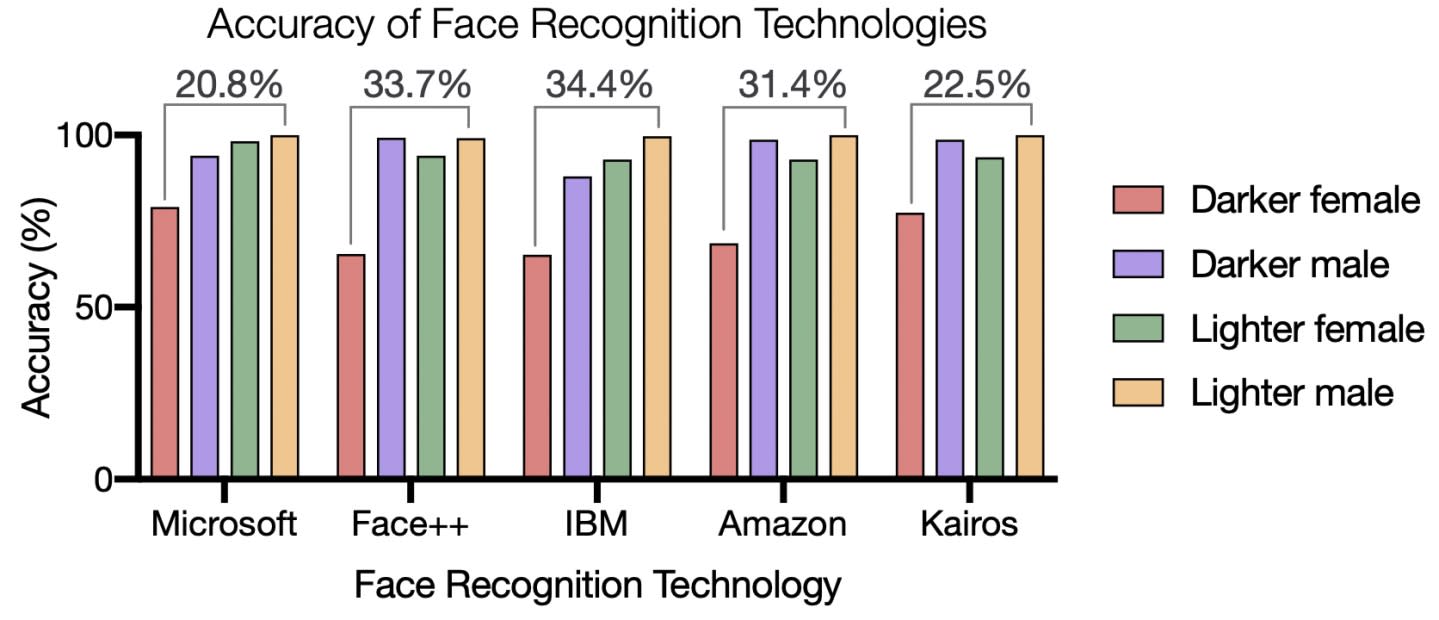
- Discrimination. If algorithms and models aren’t properly trained, there’s a chance that AI’s use in the classroom could lead to biases. This may result in problems similar to the racial biases discovered in facial recognition software.
- Inequities. Already, ChatGPT is behind a paywall. In the future, many AI programs may also have paid versions and be inaccessible financially to some families.
- Incorrect responses. If students are completely trusting everything an AI chatbot tells them, we’re in trouble. These systems can have hallucinations—an instance where a large language model gives an answer that is incorrect or made up.
2. Follow rules and laws around AI
3. Use popular AI tools and technologies
- Synthesia AI
- Stable Diffusion
- Jasper
- DALL-E
4. Introduce AI to the classroom with freelancers

Related Guides


About Author
Michelle Newblom
Michelle Newblom is a B2B SaaS writer with a knack for creative storytelling, which she artfully applies to all of her content. Her expertise lies in creating compelling copy for blogs and guides, which help businesses generate conversions and attain their goals.
